


In today’s busy world, more households are seeking practical ways to enhance personal well-being while minimizing environmental harm. One transformative solution that has gained momentum is the adoption of organic products throughout the home. From fresh groceries and pantry staples to skincare, cleaning solutions, textiles, and dietary supplements, organic offerings help you reduce exposure to synthetic chemicals, support regenerative agriculture, and promote a healthier lifestyle. By choosing certified organic products, you align daily routines with broader goals—improved health, stronger ecosystems, and responsible consumption.
Whether you’re taking your first steps toward an eco-conscious lifestyle or expanding an existing commitment, this comprehensive guide delivers science-backed insights and actionable tips. You will learn how organic farming and manufacturing practices differ from conventional methods, why these distinctions matter for your family’s health and the planet, and where to source truly authentic products. Additionally, we’ll explore best practices for preservation, storage, and DIY solutions that elevate cost-effectiveness without compromising quality.
In today’s digital landscape, reliable information is critical. That’s why we draw on authoritative resources—including the USDA National Organic Program (https://www.ams.usda.gov) and research from Harvard T.H. Chan School of Public Health (https://www.hsph.harvard.edu)—to validate each recommendation. By the end of this article, you’ll feel confident integrating organic products into your home, knowing each choice you make supports health, sustainability, and social responsibility.
Why Organic Products Are Essential for Health and the Environment
Organic products adhere to strict regulations that prohibit synthetic pesticides, herbicides, artificial fertilizers, antibiotics, and growth hormones. These requirements ensure that ingredients remain as close to their natural state as possible, lowering the risk of chemical residues accumulating in your body. A study by the Environmental Working Group highlights that frequent consumption of conventional produce can lead to trace pesticide levels in blood and urine. By contrast, choosing organic products today can help you minimize this exposure and maintain a cleaner internal environment.
Beyond direct health implications, organic practices foster robust ecosystems. Farmers rely on crop rotation, cover cropping, and natural pest control strategies to build fertile soil and conserve water. According to the Food and Agriculture Organization, healthy soils can sequester carbon dioxide, which helps mitigate climate change. By purchasing certified organic goods, you effectively support regenerative agriculture models that nurture biodiversity—benefiting pollinators, beneficial insects, and local wildlife.
Currently, consumer demand for organic products sends a powerful market signal. Each purchase incentivizes companies to adopt sustainable production methods that prioritize ecological balance. In this way, you become part of a collective movement that values long-term environmental stewardship over short-term yields. As the organic sector expands, your choices continue to drive innovation, transparency, and stricter quality controls across industries.
Nutrient-Rich Organic Foods for Everyday Meals

Incorporating organic produce into daily meals offers both flavor and nutritional advantages. Scientific reviews suggest that organically farmed fruits and vegetables can contain higher levels of certain antioxidants and micronutrients, such as vitamin C, phenolic compounds, and magnesium. When you choose seasonal berries, leafy greens, and root vegetables labeled USDA Organic, you tap into foods grown in nutrient-dense soils free from synthetic runoff.
Whole grains and legumes also play a vital role in healthy eating. Options like organic oats, brown rice, quinoa, lentils, and chickpeas provide complex carbohydrates, fiber, and plant-based protein. These staples support stable blood sugar levels and digestive health. Switching conventional bread to one made from certified organic whole grains helps you avoid additives like dough improvers and preservatives, delivering a cleaner, more natural loaf.
Dairy products are another realm where organic standards elevate quality. Organic milk, yogurt, and cheese come from animals raised without routine antibiotics or artificial growth hormones, reflecting a purer nutrient profile. If you prefer plant-based alternatives, look for organic almond, oat, or hemp milks that list minimal ingredients and are fortified with calcium and vitamin D. Checking labels for USDA or EU Organic seals ensures authenticity and consistency.
To maximize value, shop at farmers’ markets, join a Community Supported Agriculture (CSA) program, or explore reputable online marketplaces. Buying in bulk and preserving seasonal produce via freezing or dehydration helps extend shelf life and reduces food waste. Simple storage techniques—storing grains in airtight glass jars, keeping leafy greens in breathable produce bags—further preserve freshness and nutrients.
Pure Beauty: Natural Skincare and Personal Care Essentials
Your skin is the body’s largest organ and readily absorbs substances applied topically. Conventional personal care items often contain parabens, phthalates, sulfates, and synthetic fragrances linked to irritation and potential hormonal disruption. By contrast, organic skincare products rely on botanical oils, plant extracts, and essential oils to cleanse, hydrate, and protect without harsh additives.
Look for products with simple ingredient lists featuring components such as organic aloe vera, jojoba oil, shea butter, and chamomile. These natural ingredients soothe inflammation, support moisture retention, and encourage healthy skin barrier function. Third-party certifications from organizations like USDA Organic or COSMOS give you added assurance that formulas meet strict environmental and safety criteria.
Organic hair care has also gained a loyal following. Sulfate-free shampoos and conditioners infused with coconut, argan, or tea tree oil gently remove buildup without stripping essential oils. Many organic deodorants rely on arrowroot powder or baking soda and use ethically sourced fragrances or essential oil blends to neutralize odors. In today’s beauty market, transparency matters—always review ingredient panels and opt for brands that publish sourcing, manufacturing, and sustainability commitments.
Green Cleaning: Eco-Friendly Solutions for a Safer Home

Traditional cleaning products can introduce volatile organic compounds (VOCs), ammonia, chlorine-based bleaches, and quaternary ammonium compounds into indoor air. These chemicals may irritate respiratory passages and contribute to waterway pollution. Organic cleaning brands instead leverage plant-based surfactants, vinegar, baking soda, and essential oils to tackle grease and grime safely.
Certifications such as EPA Safer Choice or the EU Ecolabel help identify truly earth-friendly options. You can also make effective DIY cleaners with pantry staples: a mixture of distilled white vinegar and water cleans glass streak-free; baking soda and castile soap scrub tubs and ovens; and olive oil with lemon juice polishes wood surfaces. These homemade formulas reduce plastic waste and plastic packaging often used by mass-market cleaning lines.
Integrating green cleaning practices fosters a healthier indoor environment. Fewer synthetic residues mean reduced skin and respiratory irritation, making your home more breathable for children, pets, and allergy sufferers. Plus, minimal toxic discharge into septic systems or municipal sewage safeguards aquatic life. In today’s digital landscape, you can find countless tutorials, community recipes, and step-by-step videos that guide you through transforming everyday ingredients into powerful, non-toxic cleansers.
Sustainable Living Through Organic Products and Natural Health
In today’s modern lifestyle, organic products, sustainable living, and natural health are becoming essential pillars of conscious consumption. As people become more aware of the long-term impact of chemicals, pollution, and processed goods, the shift toward organic and eco-friendly choices is accelerating. This movement is not just about diet or skincare—it represents a complete lifestyle transformation that prioritizes health, environment, and ethical responsibility.
By adopting organic products in daily life, individuals can reduce exposure to harmful substances while supporting farming systems that protect soil health and biodiversity. At the same time, embracing sustainable living helps minimize waste, conserve resources, and reduce carbon footprints. Combined with natural health practices, these choices create a balanced and healthier way of living in today’s fast-paced digital world.
Key Principles of Organic and Sustainable Living
- Choose certified organic food and household items
- Reduce dependency on synthetic chemicals in daily life
- Support eco-friendly and ethical brands
- Practice waste reduction and recycling habits
- Focus on natural and holistic health solutions
Benefits of Organic Products and Sustainable Living
| Area | Impact | Benefit |
|---|---|---|
| Health | Reduced chemical exposure | Better long-term wellness |
| Environment | Lower pollution & waste | Healthier ecosystems |
| Lifestyle | Cleaner daily consumption | Improved quality of life |
| Economy | Supports ethical farming | Strengthens sustainable markets |
| Wellness | Natural nutrition & care | Balanced physical and mental health |
How Natural Health Fits Into Sustainable Living
- Encourages use of plant-based and organic nutrition
- Promotes chemical-free skincare and personal care
- Supports preventive health through clean lifestyle choices
- Reduces dependency on synthetic medications where possible
- Aligns physical well-being with environmental responsibility
By combining organic products, sustainable living, and natural health, individuals can build a lifestyle that is healthier, more responsible, and future-focused. These three elements work together to create long-term benefits not only for the individual but also for the planet.
Challenges and Smart Solutions in Adopting Organic Products
While the shift toward organic products is growing rapidly, many people still face practical challenges when trying to fully adopt this lifestyle. Issues such as higher costs, limited availability, confusing labels, and lack of awareness often make the transition difficult. However, with the right strategies, these challenges can be managed effectively without compromising health or sustainability goals.
Understanding these barriers is important because it helps consumers make realistic and informed decisions. Instead of trying to change everything at once, a gradual and smart approach to organic products adoption leads to better long-term consistency and success in sustainable living and natural health practices.
Common Challenges of Using Organic Products
- Higher price compared to conventional alternatives
- Limited availability in some regions or stores
- Confusing certification labels and marketing claims
- Shorter shelf life for organic food items
- Lack of consumer awareness and education
Smart Solutions for Overcoming These Challenges
| Challenge | Smart Solution | Outcome |
|---|---|---|
| High cost | Buy seasonal and in bulk | More affordable organic lifestyle |
| Limited availability | Shop online or local farmers’ markets | Better access to products |
| Label confusion | Learn key certifications (USDA, EU Organic) | Improved buying decisions |
| Short shelf life | Proper storage and freezing methods | Reduced food waste |
| Lack of awareness | Follow trusted guides and resources | Smarter consumption habits |
By addressing these challenges with practical solutions, adopting organic products becomes more achievable and sustainable. Over time, small adjustments lead to a consistent lifestyle that supports both personal well-being and environmental responsibility.
Sustainable Textiles and Supplement Strategies
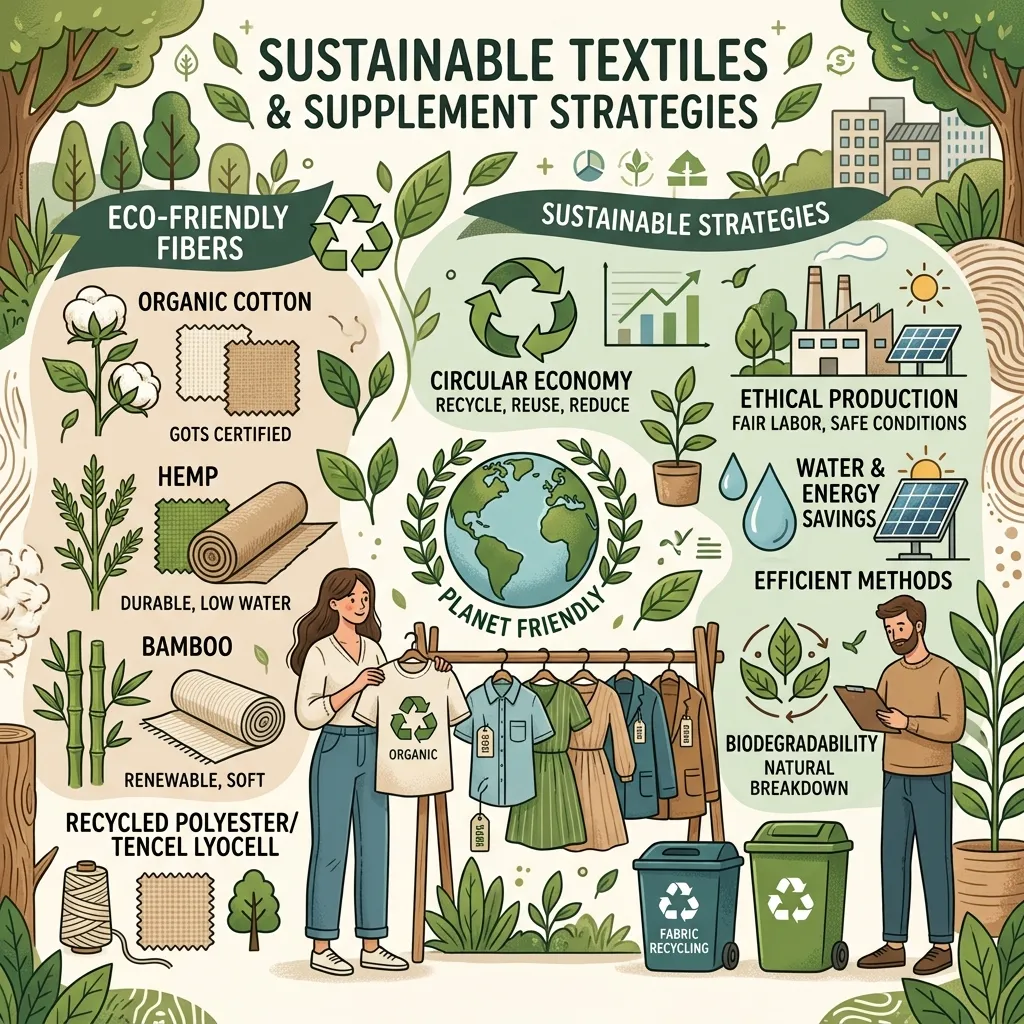
Clothing, bedding, and towels are often overlooked sources of chemical exposure. Conventional cotton production ranks among the most pesticide-intensive agricultural sectors worldwide. In contrast, organic textiles—including cotton, hemp, linen (flax), and bamboo lyocell—are cultivated without toxic agrochemicals. Look for the Global Organic Textile Standard (GOTS) logo to verify that fibers and processing chemicals meet rigorous environmental and social criteria.
Investing in high-quality organic linens and apparel may carry a slightly higher price tag, but the durability and comfort often surpass conventional alternatives. Neutral or plant-based dyes reduce the risk of skin irritation, and ethically manufactured products ensure fair labor practices. Over the long term, durable organic fabrics result in fewer replacements, driving down textile waste in landfills.
Complement your organic lifestyle with dietary supplements and superfood powders sourced from certified organic farms. Products such as spirulina, chlorella, wheatgrass, and barley grass deliver chlorophyll, essential vitamins, and minerals with minimal risk of pesticide contamination. Extracts from reishi or lion’s mane mushrooms can support immune health and cognitive function—just ensure third-party testing for heavy metals and microbial purity.
Essential fatty acid sources like organic flaxseed oil or evening primrose oil capsules provide clean omega-3 and gamma-linolenic acids for cardiovascular and skin health. Probiotic formulas derived from organic ingredients help maintain gut flora balance without unnecessary fillers. Always consult with a healthcare practitioner before integrating high-concentration supplements, ensuring they align with your individual needs and existing medications.
Frequently Asked Questions
Conclusion
Embracing organic products across food, personal care, cleaning, textiles, and supplements offers a comprehensive path to enhanced well-being and environmental stewardship. By choosing goods certified by trusted organizations like USDA Organic, EU Organic, or GOTS, you minimize chemical exposures and champion sustainable agricultural and manufacturing practices. While initial costs may be higher, the long-term benefits—improved health markers, reduced ecological impact, and support for ethical supply chains—make each investment worthwhile.
Take incremental steps: swap out three of your most-used conventional items for organic alternatives, explore DIY cleaning recipes, and incorporate a few superfood powders into your routine. Over time, you’ll experience the cumulative advantages of lower toxic burdens, richer nutrient intake, and a safer home environment. In today’s digital landscape, abundant resources and expert guidance make the transition easier than ever. By mindfully choosing organic products, you participate in a growing movement that values human health, planetary balance, and social equity—one mindful swap at a time.
