


In today’s digital landscape, homeowners and renters alike are becoming increasingly mindful of what they bring into their living spaces. As concerns about chemical exposure, environmental degradation, and long-term health risks climb, organic products have gained significant traction. Currently, people are discovering that shifting to certified organic options not only reduces pesticide residues but also supports sustainable agriculture and fair labor practices. Demand for organic groceries, textiles, personal care items, and cleaning supplies continues to rise as more individuals prioritize holistic well-being and planetary health.
Embracing organic products is more than a trend; it’s a lifestyle choice rooted in science and stewardship. By selecting items free from synthetic fertilizers, GMOs, and harsh preservatives, you can cultivate a chemical-free home that nurtures both your family and the environment. Whether you’re stocking your pantry with organic grains, swapping out conventional detergents for plant-based cleaners, or investing in organic bedding, each decision contributes to a cumulative impact. This comprehensive guide will walk you through everything you need to know—certifications, benefits, product categories, and practical tips—to confidently integrate organic products into every room of your home.
Understanding Organic Certifications and Standards
When you shop for organic products, robust certification systems are your first line of assurance. In the United States, the USDA Organic seal guarantees adherence to stringent guidelines established by the National Organic Program. Producers must avoid synthetic pesticides, herbicides, and genetically modified organisms, and they must maintain detailed records of crop management, soil health, and pest-control methods. Similarly, the European Union’s organic label enforces comparable standards within its member nations. Globally, certifications like the Global Organic Textile Standard (GOTS) ensure that fibers such as cotton and hemp are cultivated and processed without toxic chemicals.
Smaller farmers and artisans may follow organic practices even if they lack an official label due to certification costs. In those cases, inquiring directly about soil management techniques, animal welfare protocols, and ingredient sourcing can provide valuable clarity. Universities and research institutions often publish comparative studies on pesticide residues and nutrient profiles; for instance, data from the U.S. Environmental Protection Agency highlights reduced chemical runoff and improved biodiversity on certified organic farms.
Understanding the differences between terms is equally important. Labels such as “made with organic ingredients” may only require 70% organic content, whereas “100% organic” demands full compliance. Additionally, words like “natural” or “eco-friendly” are unregulated and can be misleading. To ensure authenticity, always look for the official organic seal on packaging or verify certification numbers on the certifier’s website.
Health Advantages of Incorporating Organic Products

Switching to organic products can yield immediate and long-term advantages for your health. Foods classified as organic typically contain fewer pesticide residues, which limits your family’s exposure to potentially harmful chemicals. Many studies have demonstrated that organic fruits and vegetables can have higher concentrations of vitamins, minerals, and antioxidants compared to their conventionally grown counterparts. Choosing organic dairy and meat means your animal-based items are free of growth hormones and routine antibiotics, reducing the risk of antibiotic-resistant bacteria.
Beyond edibles, personal care products labeled as organic often omit synthetic preservatives such as parabens and phthalates. These chemicals are linked to hormone disruption and skin sensitivities. Organic skincare items rely on plant extracts, essential oils, and natural emulsifiers—ingredients that not only nourish the skin but also break down safely without leaving toxic residues. Haircare lines certified organic replace sulfates and silicones with gentle surfactants derived from coconut or sugarcane, leading to softer strands and improved scalp health.
Oral hygiene products have also embraced the organic movement. Toothpastes and mouthwashes infused with xylitol, baking soda, and essential oils provide effective cleaning without artificial dyes or SLS. This shift supports healthier enamel and fresher breath, all while minimizing your body’s overall chemical load. In today’s fast-paced world, reducing cumulative exposure to synthetic compounds is a proactive strategy to support immune function and hormonal balance.
Environmental Impact and Sustainable Practices
Organic agriculture is designed not only to benefit consumers but also to regenerate ecosystems. By prohibiting synthetic pesticides and fertilizers, organic farms maintain soil structure and microbial diversity. Crop rotation, cover cropping, and composting are fundamental techniques that preserve nutrients and prevent erosion. These practices enhance water retention, thereby reducing irrigation needs and conserving valuable resources.
Furthermore, organic standards mandate robust animal welfare measures. Livestock are granted access to open pasture, and feed must derive from certified organic sources. This approach not only ensures better living conditions for animals but also diminishes concentrated waste runoff into waterways. Many government agencies and environmental nonprofits have documented how these strategies lead to cleaner rivers and healthier biodiversity corridors adjacent to organic farms.
On a household level, choosing organic cleaning supplies contributes to lower aquatic toxicity. Biodegradable surfactants, plant-based enzymes, and citrus-derived solvents replace traditional harsh chemicals. This reduces the burden on septic systems and municipal wastewater treatment plants, ensuring that rivers and oceans face fewer chemical contaminants. When you opt for organic textiles—such as GOTS-certified cotton bedding—you also support water-efficient farming methodologies and non-toxic dyeing processes.
Every organic choice you make at home sends a signal to the market: demand for sustainable, transparent products is growing. As producers scale up organic operations, economies of scale drive down costs and expand the availability of these eco-friendly options.
Top Categories of Organic Products for Home Use
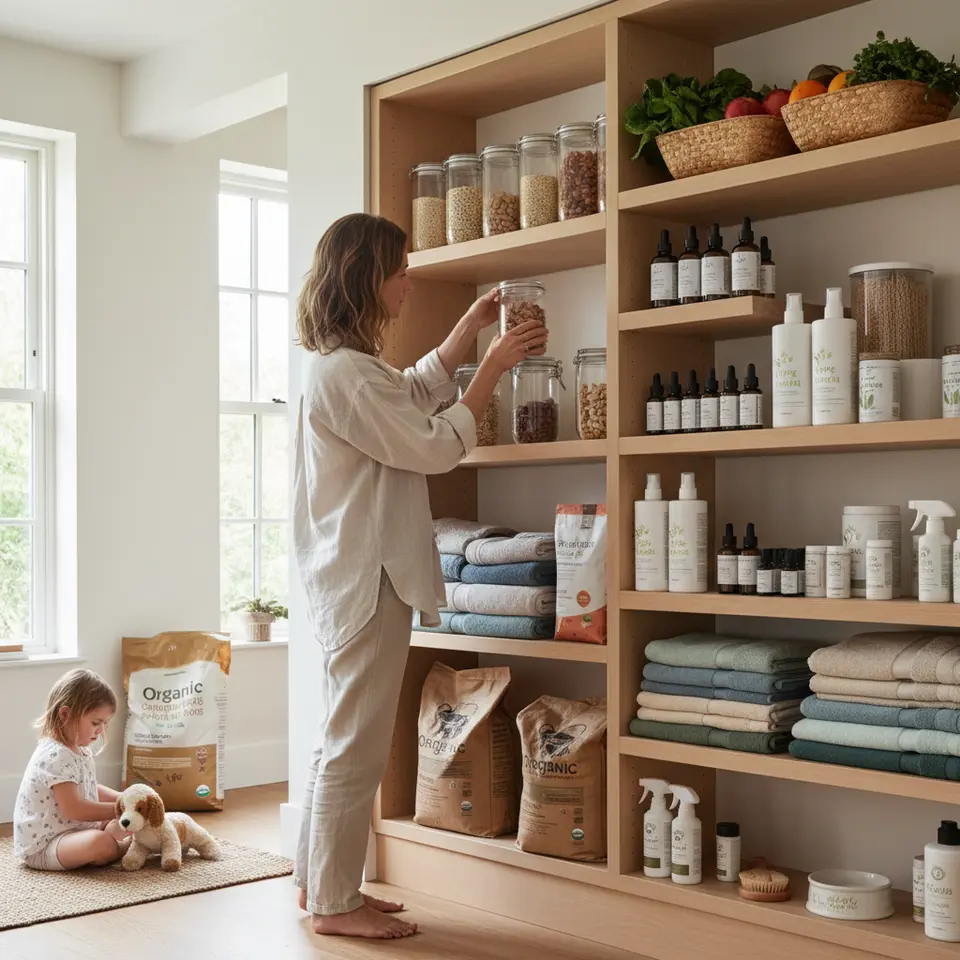
Integrating organic products across various household categories allows you to maximize benefits on health, environment, and comfort. Here are the five essential categories to explore:
1. Organic Foods and Beverages
Stock your pantry and refrigerator with fresh, certified organic produce, dairy, meat, and grains. Bulk bins at health food stores often feature organic legumes, oats, nuts, and spices—an economical way to fill your cupboard. Seasonal fruits and vegetables sourced locally provide peak flavor and nutrient density while reducing transport-related emissions.
2. Organic Personal Care
From facial serums to deodorants, organic personal care lines use botanical extracts and essential oils instead of synthetic additives. Look for seals from NSF/ANSI 305 or Ecocert to confirm product integrity. Organic deodorants, for example, harness arrowroot powder and baking soda to neutralize odor without disrupting your body’s natural processes.
3. Organic Cleaning Supplies
Plant-based multi-surface cleaners, enzyme-powered laundry detergents, and castile soaps represent a new generation of cleaning solutions. These items rely on vinegar, citric acid, and biodegradable surfactants to tackle grease, stains, and bacteria—delivering pristine surfaces without residue or fumes.
4. Organic Fabrics and Textiles
Investing in GOTS-certified bedding, towels, and clothing ensures that every step—from seed to stitch—is free of toxic inputs. Organic textiles are processed with low-impact dyes and manufactured under fair labor standards, giving you peace of mind about both product safety and ethical sourcing.
5. Organic Pet Products
Your furry friends can also benefit from certified organic food, treats, and grooming supplies. Grain-free kibble made with organic protein sources, natural dental chews, and gentle shampoos safeguard pet health while minimizing environmental impact through compostable packaging.
How Organic Products Improve Everyday Living
Choosing organic products is not just about following a healthier trend—it’s about creating a safer, cleaner, and more sustainable lifestyle. From the food you consume to the fabrics you sleep on, organic alternatives reduce exposure to harmful chemicals while supporting environmentally responsible production practices. As awareness grows , more households are embracing organic living to improve wellness, comfort, and long-term sustainability.
Key Benefits of Organic Products
Organic products provide several advantages for both individuals and the environment:
- Minimize exposure to synthetic pesticides and toxic chemicals
- Support healthier indoor air quality
- Promote sustainable farming and ethical sourcing
- Reduce environmental pollution and waste
- Encourage safer ingredients for children and pets
By making small changes across different areas of your home, you can gradually build a healthier living environment without overwhelming your budget.
Comparison Between Organic and Conventional Products
| Feature | Organic Products | Conventional Products |
|---|---|---|
| Farming Methods | Natural and chemical-free | Often uses synthetic pesticides |
| Ingredients | Plant-based and minimally processed | May contain artificial additives |
| Environmental Impact | Eco-friendly and sustainable | Higher pollution and soil damage |
| Animal Welfare | Stricter ethical standards | Industrial farming practices are common |
| Skin & Health Safety | Gentler on sensitive skin | May include harsh chemicals |
Smart Ways to Introduce Organic Products at Home
Start with Everyday Essentials
Begin your transition by replacing frequently used items such as fruits, vegetables, milk, cleaning sprays, and personal care products with certified organic alternatives.
Focus on High-Exposure Areas
Bedrooms, kitchens, and bathrooms often contain products with the highest chemical exposure. Organic bedding, towels, soaps, and detergents can significantly improve your indoor environment.
Read Labels Carefully
Terms like “natural” and “green” can be misleading. Always check for trusted certifications and transparent ingredient lists before purchasing.
Buy Seasonal and Local
Local organic produce is often fresher, more affordable, and environmentally friendly due to reduced transportation and packaging requirements.
Most Popular Organic Product Categories
| Category | Examples | Main Benefit |
|---|---|---|
| Organic Foods | Fruits, vegetables, grains | Lower pesticide exposure |
| Organic Skincare | Face wash, lotions, oils | Reduced skin irritation |
| Organic Cleaning Products | Laundry detergent, surface cleaners | Cleaner indoor air quality |
| Organic Textiles | Bedding, towels, clothing | Safer and softer materials |
| Organic Pet Care | Pet food, shampoos, treats | Better pet wellness |
Common Challenges and Practical Solutions
| Challenge | Solution |
|---|---|
| Higher product costs | Buy in bulk and prioritize essentials |
| Limited availability | Shop online or at local farmers’ markets |
| Confusing labels | Learn trusted certification symbols |
| Slow lifestyle transition | Replace products gradually over time |
| Lack of awareness | Follow sustainability blogs and communities |
Creating a Long-Term Organic Lifestyle
Building an organic lifestyle does not require changing everything overnight. The most effective approach is consistency. Small improvements—such as switching to organic cleaning products or choosing organic snacks—can create meaningful long-term benefits for your health and the environment. Over time, these decisions help establish healthier routines while encouraging companies to invest in more sustainable production methods.
As organic products continue gaining popularity, consumers now have more access to affordable, high-quality options than ever before. By making informed choices today, you can create a cleaner, safer, and more environmentally responsible home for the future.
Practical Tips for Selecting High-Quality Organic Products

Navigating the organic marketplace can feel overwhelming, especially with so many labels and claims. Use these strategies to make informed choices:
- Verify Certification Seals: Only trust verified symbols like USDA Organic, EU Organic, or GOTS. Check certifier websites for validation if in doubt.
- Read Ingredient Lists: Aim for simple, recognizable components. Avoid items containing synthetic fragrances, preservatives, or dyes that undermine the organic promise.
- Research Brands: Visit company websites to explore sourcing policies, third-party audits, and sustainability reports. Transparent brands often share farm partner profiles and environmental impact metrics.
- Prioritize High-Risk Items: For foods, consult the “Dirty Dozen” list to identify produce with the highest pesticide loads and allocate your budget accordingly.
- Shop Seasonally and Locally: Farmers’ markets and community-supported agriculture (CSA) boxes frequently provide fresh, organic produce with minimal packaging and transportation footprint.
- Embrace a Phased Approach: Transition room by room to manage costs and reduce waste—start with your pantry, then update cleaning supplies, personal care, textiles, and finally pet products.
- Leverage Reviews and Community Feedback: Online forums, social media groups, and local co-ops can offer real-world insights on product performance and value.
Frequently Asked Questions About Organic Products
Conclusion
Making the switch to organic products in every room of your home is a powerful way to safeguard health, support ethical practices, and protect the planet. By understanding certification labels, weighing health benefits, and prioritizing key categories, you can craft a living environment that aligns with your values. Remember, even small changes—like choosing organic bedding or swapping to plant-based cleaners—add up to meaningful impact over time. Today is the ideal moment to rethink your purchasing habits and invest in truly organic solutions that benefit you, your family, and future generations. In today’s digital landscape, abundant resources and community wisdom are at your fingertips—so take the first step toward a more sustainable lifestyle and discover the peace of mind that genuine organic living can bring.
