


Organic products support healthier lifestyles and sustainable living by reducing chemical exposure, promoting better nutrition, protecting ecosystems, and encouraging ethical farming practices. Choosing certified organic foods, skincare, and household items benefits both personal wellness and environmental health.
In today’s digital landscape, the pursuit of healthier lifestyles and more sustainable choices has never been more prominent. Consumers are increasingly mindful of the ingredients in their foods, personal care items, and household supplies, shifting toward products that deliver both health benefits and environmental stewardship. Organic products have emerged as a leading solution, offering reduced chemical exposure, enhanced nutritional quality, and a smaller ecological footprint. This year (2026), more individuals are exploring the advantages of integrating certified organic products into their daily routines—from farm-fresh produce to gentle cleansers in the bathroom. As awareness of soil health, biodiversity, and ethical manufacturing grows, the demand for cleaning agents, dairy, meat, beverages, and personal care labeled as “organic products” continues to rise.
However, navigating organic options can feel overwhelming. Labels vary, claims may be misleading, and pricing often differs significantly from conventionally produced goods. In this comprehensive guide, we’ll delve into why organic products matter now more than ever, examine their proven health and environmental benefits, highlight top categories to prioritize, and provide actionable tips for confident shopping. We’ll also point you to authoritative resources—such as the USDA and the Food and Agriculture Organization of the United Nations—to validate certifications and best practices. By the end of this article, you’ll have a clear roadmap to transform your selections and fully embrace the advantages of organic living in today’s health-conscious world.
Understanding the Appeal of Organic Products
Consumers today prioritize transparency. Buying organic products means choosing items grown and manufactured under strict guidelines that exclude synthetic pesticides, herbicides, antibiotics, and growth hormones. These standards ensure that the end results you bring into your kitchen or bathroom are as close to nature as possible. Beyond personal wellness, supporting certified organic agriculture advances a regenerative farming model—one that fosters biodiversity, promotes healthier soils, and minimizes water contamination.
Farmers who follow organic protocols adhere to crop rotations, cover cropping, and natural pest management methods. This reduces reliance on petrochemical fertilizers and hazardous insecticides. The result is an agricultural system that replenishes the land rather than depleting it. In fact, ongoing research from institutions affiliated with the FAO’s Global Soil Partnership underscores how organic farming practices can improve soil organic matter by up to 30 percent within five years, boosting carbon sequestration and climate resilience.
For consumers, organic products address growing concerns about food safety and long-term health impacts. Minimizing exposure to chemical residues may reduce the risk of hormone disruption, neurotoxicity, and allergic reactions. In personal care, organic-certified items avoid sulfates, parabens, and synthetic fragrances that can irritate skin or trigger sensitivities. Overall, the organic label offers a vetted pathway to products crafted with natural, regenerative principles, aligning daily purchases with broader ecological and wellness goals.
The Health Advantages of Organic Choices

Numerous studies highlight the health-promoting qualities of organic produce and animal products. According to research conducted by leading universities, organically grown fruits and vegetables often deliver up to 40 percent higher antioxidant levels compared to conventionally raised counterparts. Antioxidants, such as flavonoids and polyphenols, combat oxidative stress and curb chronic inflammation, supporting heart health and cognitive function. Incorporating these nutrient-dense foods into your diet contributes significantly to daily vitamin intake and overall resilience.
When it comes to organic dairy and meat, pasture-based systems emphasize animal welfare and natural diets, resulting in richer profiles of omega-3 fatty acids and conjugated linoleic acid (CLA). These essential fats support cardiovascular health, balance cholesterol levels, and aid in brain development. Consumers also benefit from reduced antibiotic and hormone residues, since strict organic standards prohibit routine drug use and artificial growth enhancers.
Beyond food, organic personal care and cleaning supplies deliver health perks by minimizing contact with endocrine-disrupting chemicals. Ingredients like plant-derived surfactants and essential oils replace petroleum-derived detergents, lowering the risk of respiratory irritation and allergic reactions. Skin care formulas powered by botanical extracts, aloe vera, and unrefined shea butter hydrate and protect without clogging pores or altering hormonal balance. Transitioning to these safer alternatives can be transformative for individuals with sensitive skin or chronic inflammatory conditions.
Environmental Benefits of Organic Farming
Organic agriculture transcends personal health—it fosters planetary well-being. A foundational pillar of the organic movement is soil restoration. Techniques such as compost application, green manures, and rotational grazing feed microbial life below ground, enhancing nutrient cycling and water retention. According to a recent report by a coalition of universities, healthy soils on organic farms can store up to 20 percent more carbon than conventionally managed fields, mitigating greenhouse gas emissions and resilience to drought.
Water quality also improves under organic regimes. Without synthetic nitrogen fertilizers or pesticide runoff, waterways experience fewer algal blooms that threaten aquatic ecosystems. Riparian buffers and hedgerows common on organic farms create natural corridors for wildlife, preserving habitat connectivity and supporting pollinators. In addition, organic businesses often emphasize local sourcing and shorter supply chains, reducing transportation-related emissions and strengthening community-based economies.
By choosing organic products, consumers reinforce a system that prioritizes nature-positive outcomes. Whether it’s certified fair-trade coffee free of chemical residues or biodegradable household cleaners packaged in recycled plastics, every purchase contributes to a circular economy. Over time, widespread adoption of organic principles can regenerate farmland, safeguard biodiversity, and ensure a healthy planet in and beyond.
Essential Organic Categories for Every Household
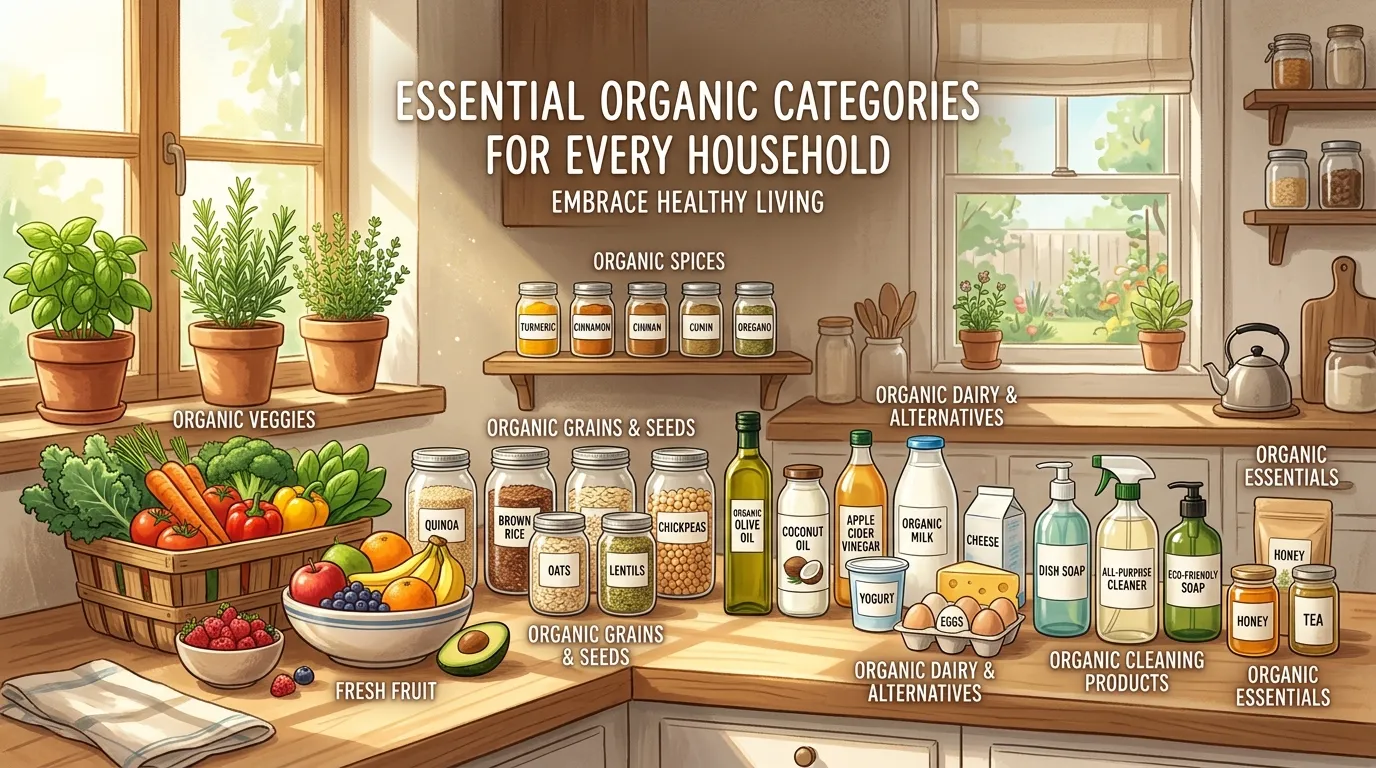
Embracing organic living starts with identifying high-impact categories. Here are top areas to consider:
Fresh Organic Produce
Seasonal fruits and vegetables form the backbone of healthful eating. Opt for certified organic apples, berries, leafy greens, and root vegetables to benefit from fuller nutrient profiles and trace minerals. Local farmers markets and community-supported agriculture (CSA) programs offer direct access to harvests at peak freshness.
Organic Dairy, Meat, and Eggs
Select milk, cheese, yogurt, beef, poultry, and eggs labeled USDA Organic to ensure animals graze on pesticide-free pastures and receive non-GMO feed. These products deliver improved fatty acid balances and eliminate exposure to antibiotics.
Whole Grains and Legumes
Stock pantry staples such as organic brown rice, quinoa, oats, and beans. These items provide fiber, protein, and complex carbohydrates without the risk of heavy metal uptake associated with certain conventional systems.
Organic Beverages
Enjoy certified organic teas, coffees, cold-pressed juices, and plant-based milks for antioxidant-rich drinks. Beans and leaves processed without chemical treatments retain deeper flavor nuances and aroma compounds.
Natural Personal Care
Look for COSMOS or USDA Organic seals on shampoos, lotions, and deodorants. Ingredients like coconut oil, aloe juice, and lavender essential oil nourish skin and hair gently.
Eco-Friendly Cleaning Supplies
Eco-labels on laundry detergents, all-purpose sprays, and dish soaps signal formulas built from plant-based surfactants. These products tackle grease and grime effectively while safeguarding indoor air quality and plumbing.
The Growing Role of Organic Products in Sustainable Living
As sustainability becomes a global priority, organic products are playing an increasingly important role in shaping environmentally responsible lifestyles. Consumers today are not only concerned about personal wellness but also about how their purchasing decisions impact ecosystems, animal welfare, and future generations. This shift has transformed organic living from a niche movement into a mainstream lifestyle choice embraced by households around the world.
One major reason for this growth is the increasing awareness of environmental damage caused by intensive industrial farming and chemical-heavy manufacturing. Conventional agricultural practices often contribute to soil degradation, water pollution, and biodiversity loss through excessive pesticide and fertilizer use. Organic farming, on the other hand, emphasizes natural cultivation methods that support long-term ecological balance. Crop rotation, composting, natural pest management, and reduced chemical dependency help restore soil fertility while protecting surrounding wildlife habitats.
Sustainable packaging is also becoming closely linked with organic products. Many organic brands now prioritize recyclable, biodegradable, or reusable packaging materials to minimize plastic waste and reduce carbon footprints. Some companies even adopt zero-waste production methods and carbon-neutral shipping practices, allowing environmentally conscious consumers to support businesses aligned with broader sustainability goals.
Another important trend is the rise of locally sourced organic products. Supporting local organic farms reduces transportation emissions, strengthens regional economies, and provides fresher seasonal produce. Community-supported agriculture programs and farmers markets continue gaining popularity as consumers seek greater transparency and direct relationships with growers.
In addition, organic textiles and eco-friendly household products are expanding beyond the food industry. Organic cotton clothing, sustainable bedding, natural cleaning products, and biodegradable personal care items are helping consumers create healthier living environments with fewer synthetic chemicals and toxins.
As climate concerns and health awareness continue to influence purchasing habits, the demand for organic products is expected to grow significantly in the coming years. Individuals who adopt organic and sustainable practices today contribute not only to their personal well-being but also to the development of a cleaner, more responsible global economy.
Practical Tips for Shopping Organic Products
Navigating the organic aisle can be streamlined with a few smart strategies. First, familiarize yourself with key certification logos: look for USDA Organic, EU Organic, or Global Organic Textile Standard marks on packaging. When shopping online, verify authenticity by visiting brand websites and checking third-party audit reports.
To manage costs, prioritize the “Dirty Dozen”—produce items with a history of higher pesticide residues—when budgeting for organic purchases. Join a buying club or subscribe to a bulk delivery service to leverage group discounts on staples like grains and legumes. Seasonal buying not only ensures peak flavor and nutritional density but also lowers prices due to ample supply.
Consider incorporating DIY solutions for cleaning and personal care. Simple recipes blending white vinegar, baking soda, and essential oils can replace many commercial cleaners. Growing fresh herbs and microgreens at home in organic soil offers year-round access to aromatic, pesticide-free additions for cooking.
Lastly, support local farmers and producers whenever possible. Building direct relationships through farmers markets or CSAs provides transparency around farming methods and fosters community resilience. By gradually replacing conventional items with organic alternatives, you’ll find the transition manageable and rewarding.
Frequently Asked Questions About Organic Products
What does the USDA Organic label signify?
The USDA Organic label means a product has been certified by an accredited agency to meet strict organic farming and production standards. These standards prohibit most synthetic pesticides, genetically modified organisms (GMOs), artificial growth hormones, and certain chemical additives.
Are organic products more nutritious?
Nutrient content can vary depending on farming methods and freshness, but many studies suggest organic produce may contain higher levels of antioxidants and fewer pesticide residues. Organic dairy and meat products are also often associated with healthier fatty acid profiles.
How can I verify organic certifications?
Look for trusted certification labels such as USDA Organic, EU Organic, or COSMOS-standard AISBL on product packaging. Many certifiers and brands also provide certification numbers, audit details, and verification tools on their websites.
How can I save money when buying organic?
Prioritize organic purchases for produce known to carry higher pesticide residues, buy seasonal items, shop in bulk, and explore local farmers’ markets, CSAs, or co-ops. Making homemade organic cleaners and personal care products can also help reduce long-term costs.
What types of products can be certified organic?
Organic certification can apply to food, beverages, skincare, textiles, supplements, and even certain household items. Each category follows specific production and processing guidelines established by certifying organizations.
Are organic foods free from pesticides?
Organic farming still allows the use of certain naturally derived pesticides, but synthetic chemical pesticides are heavily restricted. Organic standards focus on environmentally responsible pest management and soil health practices.
Is organic farming better for the environment?
Organic farming often supports biodiversity, soil conservation, reduced chemical runoff, and improved animal welfare practices. However, environmental impact can vary depending on transportation, packaging, and overall farming efficiency.
Do organic products expire faster?
Because many organic products contain fewer artificial preservatives, they may have a shorter shelf life than conventional alternatives. Proper storage and refrigeration can help maintain freshness longer.
Are organic skincare and beauty products safer?
Organic skincare products typically avoid many synthetic fragrances, parabens, and harsh chemicals. However, it is still important to check ingredient lists, especially if you have allergies or sensitive skin.
What is the difference between “natural” and “organic”?
“Natural” is often a loosely regulated marketing term, while “organic” follows specific certification standards and inspection requirements. A product labeled organic must meet legally defined production guidelines.
Can processed foods be organic?
Yes. Processed foods can be certified organic if they meet ingredient and manufacturing standards. Products labeled “100% Organic” contain only organic ingredients, while those labeled simply “Organic” must contain a high percentage of certified organic ingredients.
Are organic products worth the higher price?
Many consumers choose organic products to reduce exposure to synthetic chemicals, support sustainable agriculture, and promote animal welfare. Whether the added cost is worthwhile depends on personal priorities, health concerns, and budget.
Conclusion
Adopting organic products is more than a trend—it’s a meaningful shift toward preserving personal and planetary health. In today’s digital landscape, access to transparent information makes it easier than ever to choose items that deliver superior nutrition, gentler skin care, and reduced environmental impact. Whether starting with a basket of vibrant produce, swapping to natural cleaners, or upgrading to organic dairy, each decision compounds into significant long-term benefits. By applying the tips and insights shared—backed by resources like the USDA and FAO—you can confidently navigate the organic marketplace this year (2026) and beyond. Embrace the power of organic products and discover how these thoughtful choices can enhance your well-being and the world around you.
