

Learn how the technological environment in business shapes modern organizations through digital transformation, innovation, AI, cloud computing, and data-driven strategies. Discover key trends, challenges, practical solutions, and future-ready approaches to improve efficiency, competitiveness, and long-term business growth.
The technological environment in business has become the single biggest force shaping how companies compete, grow, and survive. From tiny startups to global giants, every organization now operates inside a web of software, data, devices, and digital tools that change almost daily. Understanding this environment isn’t optional anymore. It’s the difference between leading your market and watching competitors leave you behind.
This guide breaks down everything you need to know about the technological environment in business. We’ll explore what it means, why it matters, the forces driving it, and how you can use it to your advantage. Along the way, you’ll find practical tips, a handy comparison table, and answers to the most common questions leaders ask. Let’s dive in and make sense of the tech-powered world your business lives in.
What Is the Technological Environment in Business?
The technological environment in business refers to all the tools, systems, innovations, and digital forces that affect how a company operates. It includes the hardware and software you use every day, the emerging trends reshaping your industry, and the pace at which new solutions appear. Think of it as the tech “weather” surrounding your organization.
This environment is never static. New tools launch, old systems retire, and customer expectations shift as fresh technology becomes mainstream. A business that ignores these changes risks falling out of step with both its market and its workforce. Staying aware keeps you ready to adapt when the ground moves beneath you.
At its core, the technological environment in business covers everything from your internal IT setup to the wider innovations happening across the globe. It shapes how you produce goods, serve customers, manage staff, and make decisions. In short, it touches every corner of modern commerce.
The Building Blocks of a Modern Tech Landscape
Several key elements make up the technological environment in business. Each plays a role in how smoothly and successfully your company runs. Understanding these pieces helps you spot gaps and opportunities.
- Hardware and devices: Computers, servers, mobile phones, and smart equipment that power daily work.
- Software and applications: Programs for accounting, communication, design, and countless other tasks.
- Networks and connectivity: Internet infrastructure, cloud systems, and the links that keep everything talking.
- Data and analytics: The information you collect and the tools that turn it into useful insights.
- Emerging innovations: New Technology Trends like artificial intelligence, automation, and blockchain.
These building blocks work together to form the foundation of your operations. When they align well, your business runs efficiently. When they fall out of sync, productivity and growth suffer.
Internal vs. External Technological Factors
The technological environment in business splits into two broad categories. Internal factors are the tools and systems you directly control. External factors are the wider tech forces you must respond to but can’t command.
Internal factors include your chosen software, your IT policies, and your team’s digital skills. You decide what to adopt and how to use it. External factors include industry-wide Technology Trends, government regulations, and the innovations your competitors roll out. Both categories deserve constant attention because they shape each other over time.
Why the Technological Environment in Business Matters More Than Ever
Technology now sits at the heart of nearly every business decision. The companies that thrive treat it as a strategic asset, not just a support function. Ignoring the technological environment in business puts your growth, efficiency, and reputation at risk.
Customers expect fast, seamless, digital experiences. Employees want modern tools that make their jobs easier. Investors look for firms that embrace Business Innovation and future-ready thinking. Meeting these expectations starts with understanding the tech forces around you.
The pace of change also raises the stakes. What worked five years ago may already feel outdated. Businesses that monitor their technological environment can pivot quickly, seize new chances, and dodge costly mistakes. Those that don’t often find themselves scrambling to catch up.
Competitive Advantage Through Technology
Smart use of Business Technology gives companies a powerful edge. It lets you serve customers faster, cut costs, and deliver products competitors can’t match. In crowded markets, that advantage can decide who wins and who fades.
Consider how digital-first companies disrupt traditional industries. They use data, automation, and clever software to move faster and please customers more. This isn’t luck. It’s the result of taking the technological environment in business seriously and turning it into a strategic weapon.
Meeting Rising Customer Expectations
Today’s customers are tech-savvy and impatient. They want instant answers, personalized service, and smooth digital journeys. A weak technological setup frustrates them and pushes them toward rivals who deliver better.
By investing in the right tools, you can exceed these expectations. Chatbots handle questions around the clock. Personalized recommendations boost sales. Fast, secure payment systems build trust. Each improvement strengthens loyalty and keeps customers coming back for more.
Boosting Efficiency and Reducing Costs
Technology streamlines the way work gets done. Automation handles repetitive tasks, freeing your team for higher-value work. Cloud tools cut the cost of expensive hardware. Analytics reveal waste you can trim.
These gains add up fast. A well-tuned technological environment in business lowers overhead, speeds up processes, and improves accuracy. Over time, these savings free up resources you can reinvest in growth, innovation, and your people.
Key Forces Shaping the Technological Environment in Business
Several powerful forces drive the constant change in the technological environment in business. Understanding them helps you predict what’s coming and prepare accordingly. Let’s look at the biggest players reshaping the landscape.
Digital Transformation as a Core Strategy
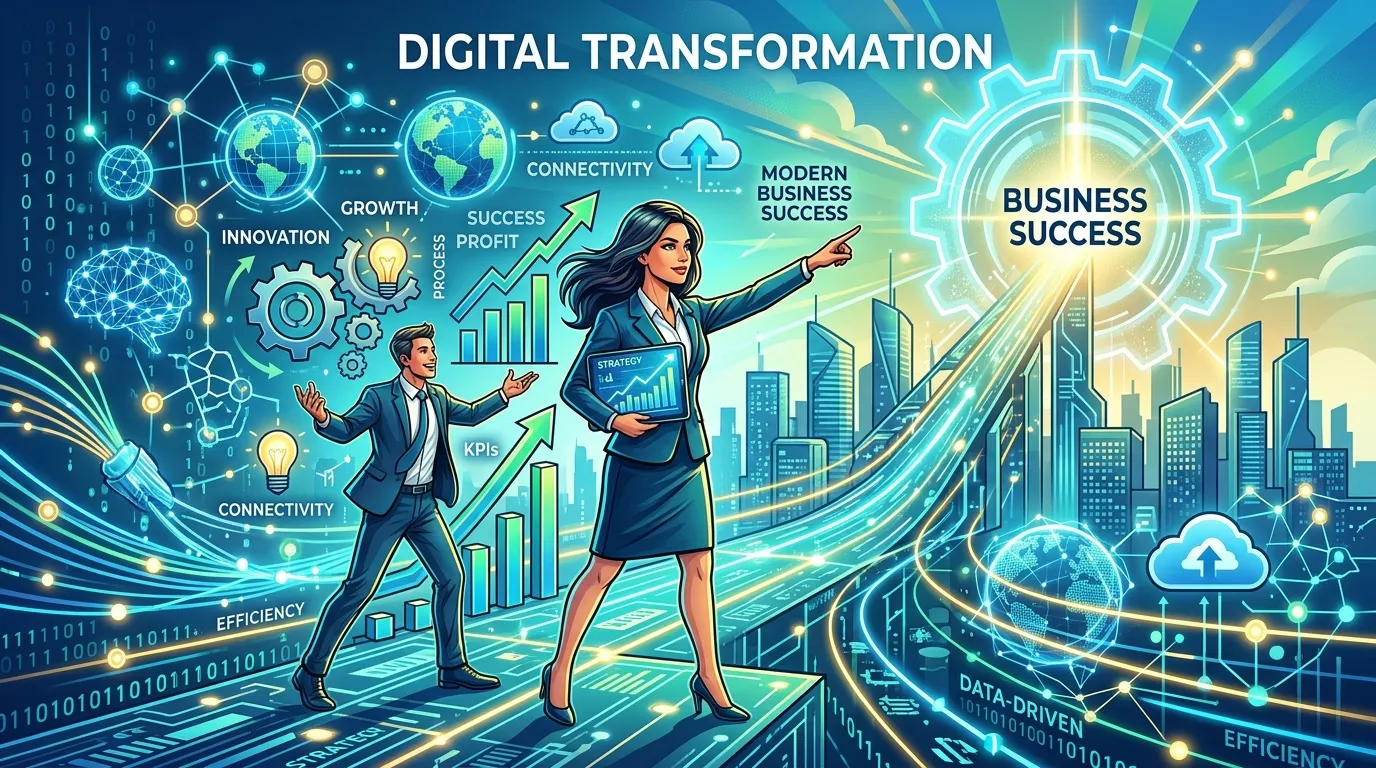
Digital Transformation is the process of weaving technology into every part of a business. It goes beyond buying new tools. It reshapes how you think, work, and deliver value. This shift has become a top priority for organizations of all sizes.
Successful Digital Transformation touches culture, processes, and customer experiences all at once. It requires leadership buy-in, clear goals, and a willingness to change old habits. When done right, it turns technology from a cost center into a growth engine that fuels lasting success.
Many companies stumble because they treat Digital Transformation as a one-time project. In reality, it’s an ongoing journey. The technological environment in business keeps evolving, so your transformation efforts must continue evolving too.
The Rise of Artificial Intelligence and Automation

Artificial intelligence and automation rank among the most disruptive Technology Trends today. They handle tasks once thought impossible for machines, from writing content to predicting demand. Their impact on the technological environment in business grows stronger each year.
AI helps companies analyze huge datasets, spot patterns, and make smarter choices. Automation removes tedious manual work and reduces human error. Together, they boost productivity and open doors to entirely new business models and services.
Cloud Computing and Remote Work
Cloud computing changed how businesses store data and run software. Instead of costly on-site servers, companies now access powerful tools over the internet. This flexibility supports remote work, global teams, and rapid scaling.
The cloud makes Business Technology accessible to firms of every size. Small startups can use the same enterprise-grade tools as large corporations. This levels the playing field and fuels a wave of Business Innovation across industries.
Data-Driven Decision Making
Data has become one of the most valuable assets in the technological environment in business. Companies that collect and analyze it well gain deep insights into customers, markets, and operations. Those insights lead to smarter, faster decisions.
Modern analytics tools turn raw numbers into clear stories. They reveal what customers want, where processes break down, and which strategies pay off. Building a data-driven culture is now essential for staying competitive and responsive.
How Business Innovation Fuels Growth
Innovation sits at the very center of the technological environment in business. It’s the spark that turns new tools into real value. Companies that embrace Business Innovation consistently outperform those that cling to old ways.
Innovation isn’t only about inventing brand-new products. It also includes improving processes, entering new markets, and finding creative ways to serve customers. The technological environment in business gives you the raw materials. Innovation shapes them into success.
If you want to understand innovation more deeply and explore practical frameworks, this resource is a great starting point.
Learn more about business innovation here:
What Is Business Innovation
Reading up on proven approaches helps you build an innovation mindset across your team. It also shows how leading companies turn ideas into growth. Pairing that knowledge with the right technology sets the stage for lasting progress.
Types of Business Innovation
Business Innovation comes in several forms, each valuable in its own way. Recognizing them helps you spot opportunities within your own organization. Here are the main categories to keep in mind.
- Product innovation: Creating new goods or improving existing ones to better serve customers.
- Process innovation: Finding smarter, faster, or cheaper ways to get work done.
- Business model innovation: Rethinking how your company creates and captures value.
- Marketing innovation: Using fresh channels and creative tactics to reach your audience.
Each type can transform your position in the market. The best companies pursue several at once, blending them to stay ahead of shifting Technology Trends and customer needs.
Building a Culture of Innovation
Technology alone doesn’t create innovation. People do. A culture that welcomes new ideas, tolerates smart risks, and rewards creativity turns the technological environment in business into a launchpad for growth.
Leaders play a huge role here. They must encourage experimentation, listen to fresh perspectives, and give teams room to explore. When employees feel safe sharing ideas, innovation flourishes and your business grows stronger over time.
The Impact of Technology Trends on Different Business Functions
The technological environment in business affects every department, not just IT. From marketing to finance, each function feels the pull of new tools and Technology Trends. Understanding these effects helps you plan smarter across the whole organization.
Marketing and Sales
Technology has revolutionized how companies attract and keep customers. Digital marketing tools let you target the right people with precision. Analytics show which campaigns work and which waste money. Automation nurtures leads without constant manual effort.
Sales teams benefit too. Customer relationship management systems track every interaction. AI predicts which prospects are most likely to buy. These advances make marketing and sales sharper, faster, and far more effective than ever before.
Operations and Supply Chain
Operations rely heavily on Business Technology to run smoothly. Automation speeds up production. Tracking systems monitor inventory in real time. Predictive tools forecast demand and prevent shortages before they happen.
Supply chains have grown more complex and global. Technology helps you manage that complexity with clarity. Real-time data keeps every link connected, reducing delays and cutting costs across the entire network.
Human Resources and Talent Management
The technological environment in business has reshaped how companies hire, train, and support employees. Recruitment platforms scan thousands of applications quickly. Learning tools deliver training anytime, anywhere. Analytics track engagement and spot retention risks.
These tools free HR teams from paperwork so they can focus on people. They also improve the employee experience, helping you attract and keep top talent in a competitive job market.
Finance and Accounting

Finance departments have embraced Digital Transformation in a big way. Cloud accounting software handles bookkeeping with ease. Automation processes invoices and payments. Analytics reveal financial trends and flag risks early.
These advances improve accuracy and save time. They also give leaders clearer insight into the company’s health. With better financial data, businesses make smarter decisions and plan more confidently for the future.
Comparing Traditional vs. Technology-Driven Business Approaches
To see the value of embracing the technological environment in business, it helps to compare old and new approaches. The table below highlights key differences across several important areas. Use it as a quick reference when planning your own strategy.
|
Business Area |
Traditional Approach |
Technology-Driven Approach |
Key Benefit |
|---|---|---|---|
|
Communication |
Phone calls and paper memos |
Instant messaging and video calls |
Faster, clearer collaboration |
|
Data Handling |
Manual records and spreadsheets |
Cloud databases and analytics |
Better insights and accuracy |
|
Customer Service |
In-person or phone only |
Chatbots and omnichannel support |
Round-the-clock availability |
|
Marketing |
Print ads and cold calls |
Digital campaigns and targeting |
Higher reach at lower cost |
|
Decision Making |
Gut feeling and experience |
Data-driven analysis |
Smarter, evidence-based choices |
|
Scaling |
Slow and resource-heavy |
Cloud-based and flexible |
Rapid, affordable growth |
This comparison shows why so many companies are shifting toward technology-driven models. The gains in speed, cost, and insight are simply too big to ignore. Adopting these approaches keeps you competitive in a fast-moving market.
Reading the Table for Your Strategy
Look at where your business currently sits in each row. Are you still relying on traditional methods in areas where technology could help? Spotting these gaps reveals your biggest opportunities for improvement.
You don’t have to change everything at once. Prioritize the areas where technology delivers the most value for your goals. Gradual, focused upgrades often work better than trying to transform every function overnight. Steady progress builds momentum and confidence.
Challenges in Navigating the Technological Environment in Business
Embracing technology brings huge rewards, but it also comes with real challenges. Being aware of these hurdles helps you prepare and avoid common pitfalls. Let’s explore the main obstacles companies face.
Keeping Up With Rapid Change
Technology Trends evolve at a dizzying pace. What’s cutting-edge today may be outdated tomorrow. This constant change makes it hard for businesses to keep their tools and skills current.
Staying updated requires ongoing effort and investment. Companies must monitor trends, train staff regularly, and be ready to adopt new solutions. Those that treat learning as continuous handle the technological environment in business far better than those that don’t.
Cybersecurity and Data Protection
As businesses rely more on technology, they face growing security threats. Hackers target valuable data, and a single breach can cause huge damage. Protecting your systems and customer information is now a top priority.
Strong cybersecurity requires the right tools, clear policies, and alert employees. Regular updates, staff training, and backup plans all help. Investing in protection safeguards your reputation and keeps customer trust intact.
Managing Costs and Budgets
New technology often carries a hefty price tag. Software licenses, hardware, training, and maintenance all add up. For smaller businesses especially, these costs can feel overwhelming.
The key is to invest wisely. Focus on tools that deliver clear returns. Cloud solutions and scalable options help spread costs over time. Careful budgeting ensures your technology investments support growth rather than drain resources.
Overcoming Resistance to Change
People often resist new ways of working, even when the benefits are clear. Employees may fear job loss, feel overwhelmed, or simply prefer familiar routines. This resistance can slow or derail your tech efforts.
Overcoming it takes clear communication and strong leadership. Explain the benefits, offer training, and involve staff in the process. When people understand how technology helps them, they embrace it far more willingly and enthusiastically.
Strategies for Thriving in the Technological Environment in Business
Success in a tech-driven world comes down to smart, deliberate action. The following strategies help you make the most of the technological environment in business. Apply them to build a resilient, future-ready organization.
Develop a Clear Technology Roadmap
A roadmap guides your technology decisions with purpose. It outlines your goals, the tools you need, and the steps to get there. Without one, you risk wasting money on tools that don’t fit your needs.
Start by identifying your biggest challenges and opportunities. Then match technology solutions to those priorities. Review and update your roadmap regularly as Technology Trends shift and your business grows. This keeps your efforts focused and effective.
Invest in Employee Training and Skills
Technology only works when people know how to use it. Ongoing training ensures your team gets the most from every tool. It also boosts confidence and reduces resistance to change.
Offer varied learning options, from workshops to online courses. Encourage curiosity and reward skill-building. A well-trained team turns the technological environment in business into a genuine competitive advantage rather than a source of stress.
Embrace a Flexible, Agile Mindset
Rigid plans crumble in a fast-changing world. An agile mindset lets you adapt quickly when new opportunities or threats appear. It means testing ideas, learning from results, and adjusting course as needed.
Build flexibility into your processes and culture. Encourage small experiments and quick feedback loops. This approach helps you respond to Technology Trends faster and keeps your business nimble in the face of constant change.
Partner With the Right Technology Providers
You don’t have to navigate technology alone. The right partners bring expertise, tools, and support you may lack in-house. Choosing them carefully can accelerate your progress and reduce risk.
Look for providers who understand your industry and goals. Check their track record, support quality, and scalability. Strong partnerships make Digital Transformation smoother and help you stay ahead in the technological environment in business.
Prioritize Customer-Centric Technology
The best technology serves your customers, not just your internal needs. Every tool you adopt should improve the customer experience in some way. This focus keeps your investments aligned with what truly matters.
Gather feedback often to learn what customers value. Use that insight to guide your tech choices. When technology makes life easier for customers, loyalty grows and Business Innovation follows naturally.
The Future of the Technological Environment in Business
The technological environment in business will keep evolving in exciting and unpredictable ways. Preparing for the future means watching emerging trends and staying open to change. Let’s look at what lies ahead.
Emerging Technologies to Watch
Several new technologies promise to reshape business in the coming years. Staying aware of them helps you spot opportunities early. Here are a few worth watching closely.
- Advanced AI and machine learning: Smarter tools that automate complex tasks and predict outcomes.
- Internet of Things (IoT): Connected devices that gather data and streamline operations.
- Blockchain: Secure, transparent systems for transactions and record-keeping.
- Extended reality (AR/VR): Immersive tools for training, marketing, and customer experiences.
- Green technology: Sustainable solutions that cut costs and support the planet.
These innovations will drive the next wave of Business Innovation. Companies that explore them early gain a valuable head start in the technological environment in business.
Preparing Your Business for What’s Next
Future-proofing your business starts with a mindset of continuous learning. Stay curious, monitor Technology Trends, and remain willing to adapt. Those habits keep you ready for whatever comes next.
Build flexibility into your strategy so you can pivot when needed. Invest in your people, since skilled teams handle change best. By staying proactive, you turn future uncertainty into a source of opportunity and growth.
The Role of Sustainability and Ethics
The future technological environment in business will place greater weight on sustainability and ethics. Customers and regulators increasingly expect responsible behavior. Companies that lead here will earn trust and loyalty.
Green technology reduces waste and energy use while cutting costs. Ethical data practices protect privacy and build confidence. Weaving these values into your strategy ensures your growth is both profitable and responsible over the long term.
Bringing It All Together
The technological environment in business is a powerful, ever-changing force that shapes every aspect of modern commerce. From Digital Transformation to Business Innovation, the tools and trends around you offer huge opportunities for those ready to seize them. Ignoring them is no longer an option.
Success comes from understanding this environment, embracing change, and acting with purpose. Build a clear roadmap, invest in your people, stay agile, and keep your customers at the center. Do these things, and Business Technology becomes a true engine for growth.
The journey never really ends, because the technological environment in business keeps evolving. But with the right mindset and strategy, you can turn constant change into lasting advantage. Stay curious, stay ready, and let technology carry your business forward.
Frequently Asked Questions
What does the technological environment in business actually mean?
The technological environment in business refers to all the tools, systems, and digital forces that affect how a company operates. It includes hardware, software, networks, data, and emerging innovations. This environment constantly changes as new technology appears. Understanding it helps businesses adapt and stay competitive.
Why is the technological environment in business so important today?
Technology now sits at the heart of nearly every business decision and process. It shapes customer expectations, employee tools, and competitive advantage. Companies that embrace it grow faster and serve customers better. Those that ignore it risk falling behind rivals who adapt quickly.
How does Digital Transformation relate to Business Technology?
Digital Transformation is the process of weaving Business Technology into every part of an organization. It goes beyond buying tools and reshapes culture, processes, and experiences. This shift turns technology into a growth engine. It requires leadership support, clear goals, and ongoing commitment.
What are the biggest Technology Trends affecting businesses right now?
Some of the most impactful trends include artificial intelligence, automation, and cloud computing. Data analytics and the Internet of Things are also transforming operations. These Technology Trends boost efficiency and open new opportunities. Staying aware of them helps businesses prepare for the future.
How can small businesses keep up with the technological environment in business?
Small businesses can start by focusing on affordable, scalable tools like cloud software. They should prioritize technology that solves their biggest challenges first. Ongoing staff training makes a huge difference too. A clear roadmap keeps investments focused and effective over time.
What role does Business Innovation play in this environment?
Business Innovation turns new technology into real value for a company. It includes product, process, business model, and marketing innovation. Companies that innovate consistently outperform those that don’t. A strong culture of creativity fuels this innovation across the whole organization.
What are the main challenges of adopting new Business Technology?
The biggest challenges include keeping up with rapid change and managing costs. Cybersecurity threats and data protection also demand serious attention. Employee resistance to change can slow progress too. Clear communication, training, and smart budgeting help overcome these hurdles.
How does the technological environment in business affect different departments?
Every department feels the impact, not just IT. Marketing uses digital tools and analytics, while operations rely on automation. HR benefits from recruitment and training platforms. Finance embraces cloud accounting and data-driven insights for smarter decisions.
How can companies protect themselves from technology-related risks?
Strong cybersecurity is essential, including the right tools and clear policies. Regular software updates and staff training reduce threats significantly. Backup plans protect against data loss. Investing in protection safeguards both your reputation and customer trust.
What strategies help businesses thrive in a tech-driven world?
A clear technology roadmap guides smart decisions and investments. Ongoing employee training ensures teams use tools well. An agile mindset lets you adapt quickly to change. Keeping customers at the center of your tech choices drives lasting success.
Will the technological environment in business keep changing in the future?
Yes, the technological environment in business will keep evolving rapidly. Emerging technologies like advanced AI, IoT, and blockchain will reshape industries. Sustainability and ethics will also grow more important. Staying curious and adaptable prepares businesses for whatever comes next.
How do I start improving my company’s use of technology?
Begin by assessing where your business currently stands with technology. Identify the gaps and opportunities that matter most to your goals. Then create a focused roadmap and invest in the right tools and training. Gradual, purposeful upgrades build momentum and lasting results.
