
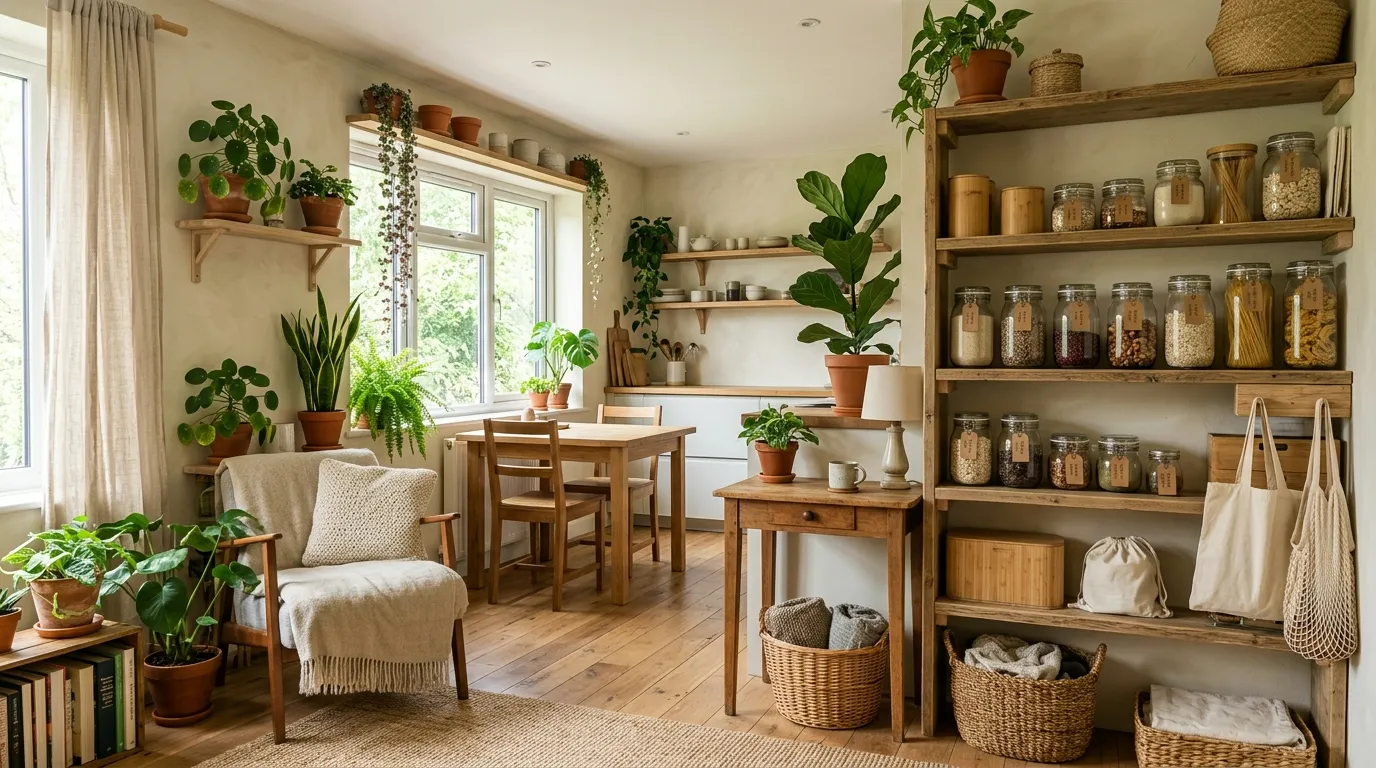
Smart sustainability tips and home organization habits help reduce waste, save money, and create a cleaner living space. By using eco-friendly products, organic cleaners, and practical storage systems, you can build a greener, more organized, and stress-free home lifestyle.
A greener home doesn’t start with a huge overhaul. It starts with small, smart choices you make every day. The right sustainability tips can help you waste less, save money, and create a space that feels calm and clutter-free. The best part? Going green and getting organized go hand in hand.
When your home is well-organized, you buy less, throw away less, and reuse more. That’s the heart of household sustainability. In this guide, you’ll learn practical sustainability tips that blend eco-friendly living with smart home organization. We’ll cover sustainable household products, the best organic household cleaners, clever storage solutions, and simple habits that stick.
Whether you’re just starting your green journey or fine-tuning your routine, you’ll find ideas you can use today. Let’s build a home that’s better for you and the planet.
Why Sustainability and Home Organization Work Together
It might surprise you, but tidiness and eco-living are deeply connected. A cluttered home often leads to waste. You buy duplicates because you can’t find what you own. Food spoils because it’s hidden in the back of the fridge. Items break because they’re crammed into tight spaces.
When you organize with intention, you naturally reduce that waste. You see what you have, use it fully, and replace it less often. This is where good sustainability tips meet smart household organization tips. The two reinforce each other beautifully.
The Cost of Clutter
Clutter costs more than space. It costs money, time, and resources. Think about how often you’ve repurchased something you already owned. Each duplicate uses raw materials, packaging, and energy to produce and ship.
A messy home also wastes your time. Searching for misplaced items drains hours every week. That stress can lead to impulse buys, which create even more clutter. Breaking this cycle is one of the most powerful steps toward true household sustainability.
Organization as an Eco-Friendly Habit
When you adopt a solid household organization system, you make greener choices automatically. You store food properly, so less goes to waste. You keep cleaning supplies visible, so you use them up instead of forgetting them.
Organization also helps you donate, recycle, and repurpose with ease. A tidy home makes it simple to spot what you no longer need. Instead of tossing items in the trash, you can pass them along responsibly.
Smart Sustainability Tips for Everyday Living
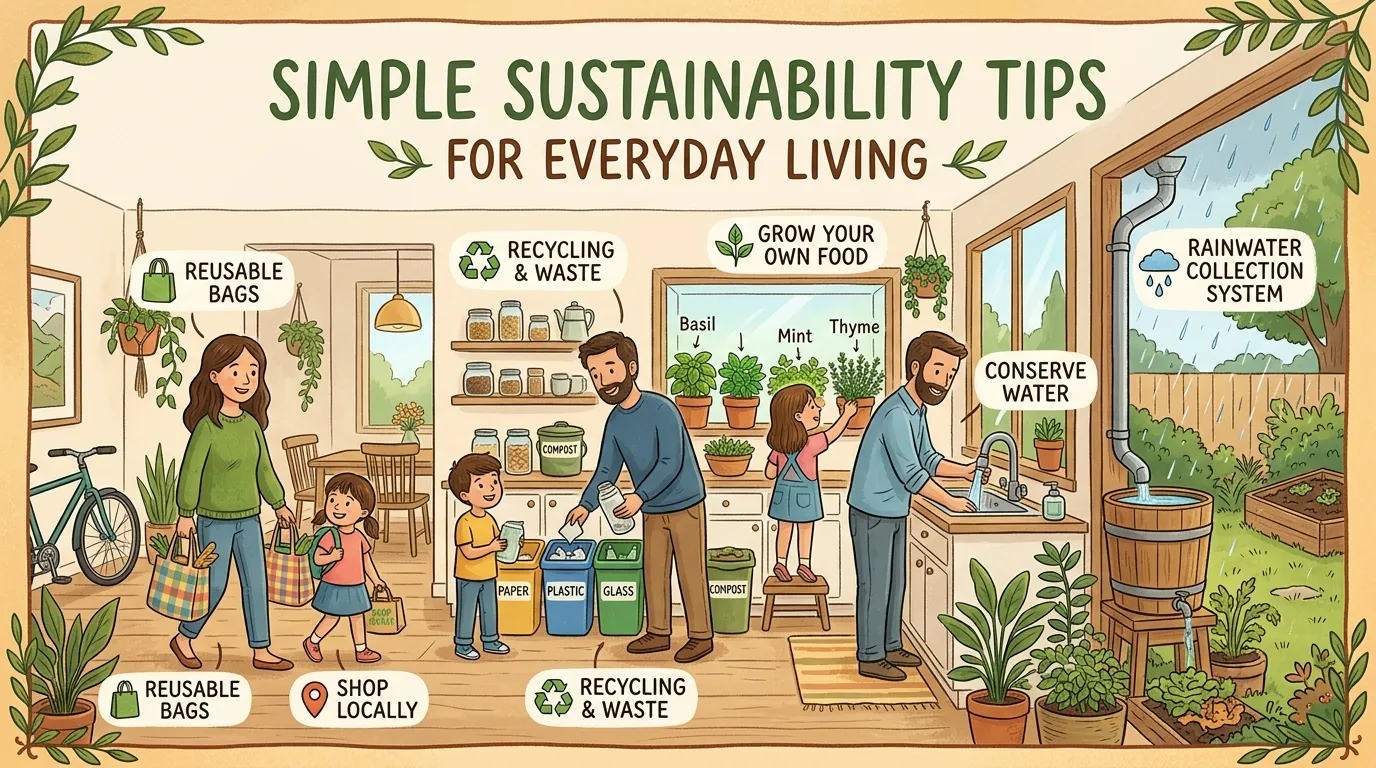
Building a sustainable home is about consistent habits, not perfection. Small daily actions add up to a big impact over time. These core sustainability tips will help you reduce waste and live lighter.
Reduce, Reuse, and Rethink
The classic “reduce, reuse, recycle” still holds strong. But the order matters. Reducing what you buy is the most powerful step. Reusing comes next, and recycling is a last resort.
Try these simple swaps to cut down on waste:
- Use refillable bottles instead of single-use plastic
- Bring reusable bags to every shopping trip
- Choose cloth napkins over paper towels
- Buy in bulk to reduce packaging
- Repair items before replacing them
Each choice keeps waste out of landfills. Over a year, these habits save hundreds of disposable products from being thrown away.
Save Energy and Water at Home
Energy and water use shape your home’s footprint. Cutting back helps the planet and lowers your bills. Most changes are easy and require little effort.
Start with these energy-smart moves:
- Switch to LED bulbs throughout your home
- Unplug devices when they’re not in use
- Wash clothes in cold water
- Run full loads in the dishwasher
- Install a low-flow showerhead
Small adjustments make a real difference. You’ll notice the savings on your monthly bills, and your home will run more efficiently.
Shop with Intention
Mindful shopping is one of the most underrated sustainability tips. Before you buy, ask if you truly need the item. Quality over quantity should guide every purchase.
Look for durable goods that last for years. Choose products with minimal or recyclable packaging. Support brands that share your values around the environment. When you shop with care, you build a home full of things you actually use.
Choosing Sustainable Household Products
What you bring into your home matters. Sustainable household products reduce waste, avoid harsh chemicals, and often last longer. Making the switch is easier than ever as more eco-friendly options hit the market.
What Makes a Product Sustainable?
Not every “green” label tells the full story. A truly sustainable product considers its entire life cycle. That includes how it’s made, used, and disposed of.
Look for these key features when shopping for sustainable household products:
- Made from renewable or recycled materials
- Free from toxic chemicals
- Packaged in recyclable or compostable materials
- Designed to last or be refilled
- Produced by ethical, transparent companies
Reading labels takes a moment but pays off. You’ll avoid greenwashing and choose items that genuinely help.
Everyday Swaps That Make a Difference
You don’t need to replace everything at once. Swap items as they run out, choosing greener versions each time. This approach saves money and prevents waste.
Consider these popular sustainable swaps:
- Bamboo toothbrushes instead of plastic ones
- Beeswax wraps in place of plastic wrap
- Wool dryer balls rather than dryer sheets
- Reusable silicone food bags
- Compostable sponges and brushes
Each swap reduces plastic and chemical use. Over time, your home becomes cleaner, safer, and far more eco-friendly.
The Best Organic Household Cleaners
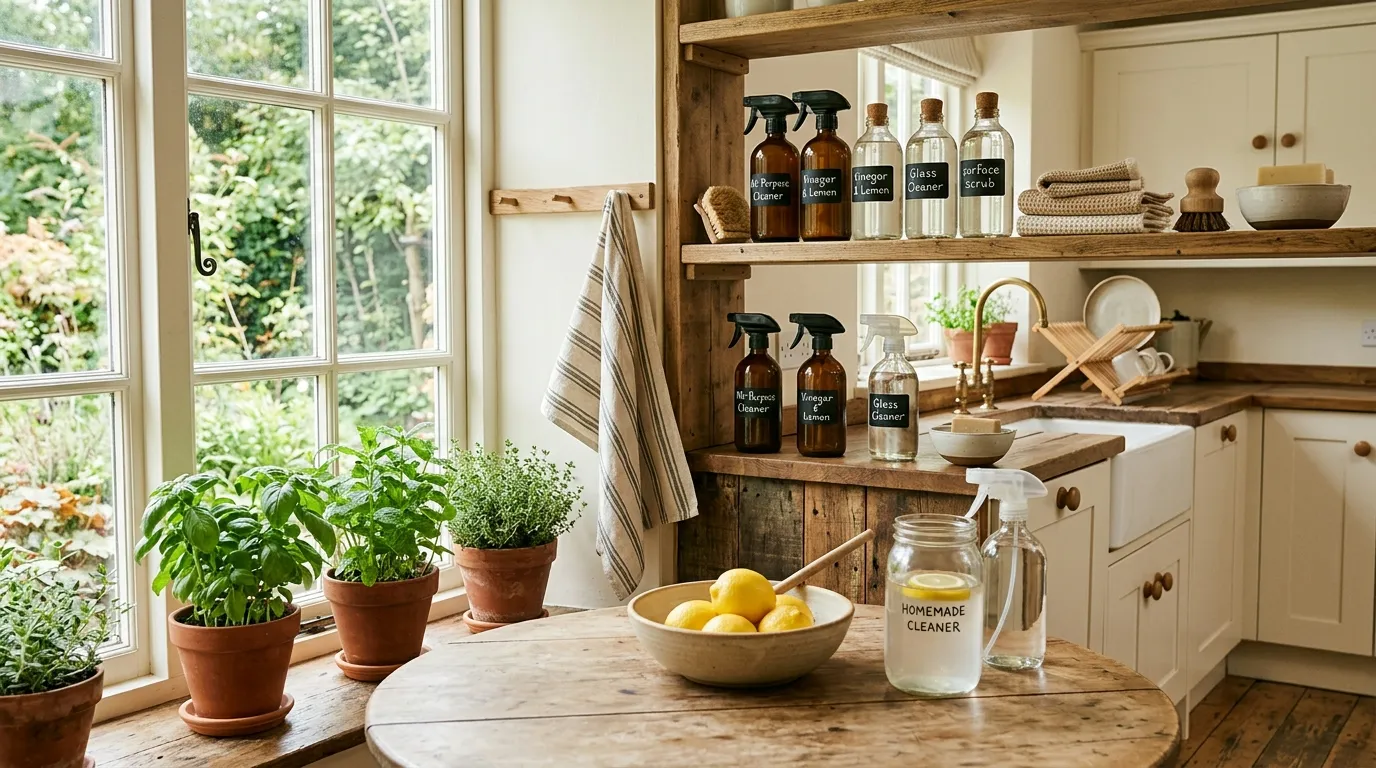
Cleaning products are a great place to go green. Many conventional cleaners contain harsh chemicals that harm your health and the environment. Switching to organic household products creates a safer space for your family and pets.
Why Choose Organic Cleaners?
Organic cleaners skip the toxic ingredients found in many standard products. That means fewer fumes, less skin irritation, and cleaner air inside your home. They’re also gentler on waterways when they wash down the drain.
The best organic household cleaners use plant-based ingredients that break down naturally. They clean just as well as traditional products without the hidden risks. For families with young children, this peace of mind is priceless.
DIY Natural Cleaning Solutions
You can make effective cleaners with a few simple ingredients. Homemade solutions cost less and cut down on packaging waste. They’re also fun and easy to whip up.
Try these proven recipes:
- All-purpose spray: Mix equal parts water and white vinegar with a few drops of essential oil
- Glass cleaner: Combine water, vinegar, and a splash of rubbing alcohol
- Scrubbing paste: Blend baking soda with a little water
- Wood polish: Mix olive oil with lemon juice
- Drain freshener: Pour baking soda followed by vinegar down the drain
These DIY options work wonders. You’ll save money while keeping harsh chemicals out of your home.
Store-Bought Organic Options
If DIY isn’t your thing, plenty of ready-made organic household products fill store shelves. Look for trusted certifications and clear ingredient lists. Many brands now offer refill stations to cut packaging further.
When buying the best organic household cleaners, check for third-party seals. These confirm the product meets real environmental standards. A little research helps you avoid misleading marketing claims.
Building the Best Household Organization System
A strong organization system is the backbone of a sustainable home. When everything has a place, you waste less and stress less. The best household organization system fits your lifestyle and grows with your needs.
Start with a Declutter
Before organizing, you must declutter. You can’t organize chaos. Go room by room and sort items into keep, donate, recycle, and repair piles.
This step alone transforms your home. It reveals what you truly own and use. Donating unwanted items keeps them out of landfills and helps others. Decluttering is both an eco-friendly act and a fresh start.
Create a Household Organization Binder
A household organization binder keeps your home’s important details in one place. It’s a simple tool that brings order to your daily life. Think of it as your home’s command center.
Your binder might include:
- Cleaning schedules and routines
- Meal plans and grocery lists
- Important contacts and warranties
- Budget and bill trackers
- Maintenance reminders for appliances
A household organization binder reduces paper clutter and forgotten tasks. You’ll spend less, waste less, and stay on top of your home with ease.
Use Smart Storage Solutions
The right storage keeps your home tidy and your stuff protected. Good storage extends the life of your belongings, which supports sustainability. Choose durable, reusable containers over flimsy ones.
A household essentials sock organizer is a perfect example. It keeps small items neat and easy to find. No more lost socks or messy drawers. Small organizers like these prevent the frustration that leads to unnecessary repurchasing.
A Helpful Resource for Smart Storage
Finding quality organizers can feel overwhelming with so many choices out there. Sometimes a curated guide makes the search far easier and saves you time.
For inspiration on durable, well-loved storage picks, this resource is worth a look:
Best home organizers guide
A curated list of practical storage favorites.
Great for drawers, closets, and shelves.
Perfect when you want to buy household storage organizer online.
These picks help you choose items that last. Durable organizers mean fewer replacements and less waste over time.
Comparing Sustainable and Organizational Household Options
Choosing the right products can feel tricky. The table below compares popular sustainable and organizational options. Use it to find the best fit for your home and goals.
|
Option |
Best For |
Eco Benefit |
Cost Level |
Durability |
|---|---|---|---|---|
|
Organic household cleaners |
Safer cleaning |
Fewer toxic chemicals |
Medium |
N/A |
|
Household organization binder |
Managing tasks |
Reduces paper waste |
Low |
High |
|
Sock organizer |
Drawer tidiness |
Prevents lost items |
Low |
Medium |
|
Reusable storage bins |
Long-term storage |
Replaces single-use boxes |
Medium |
High |
|
Bamboo storage baskets |
Closets and shelves |
Renewable material |
Medium |
High |
|
Glass food containers |
Kitchen storage |
Cuts plastic waste |
Medium |
Very High |
This comparison shows that small investments pay off. Durable, reusable items cost a bit more upfront but save money and waste long-term.
Practical Household Organization Tips
Good organization is a skill anyone can learn. With the right approach, your home stays tidy with minimal effort. These household organization tips make the process simple and sustainable.
Organize Room by Room
Tackling your whole home at once leads to burnout. Instead, focus on one room at a time. This keeps the project manageable and rewarding.
Start with high-traffic areas like the kitchen and entryway. These spaces collect the most clutter. Once they’re sorted, the rest of your home feels easier to handle.
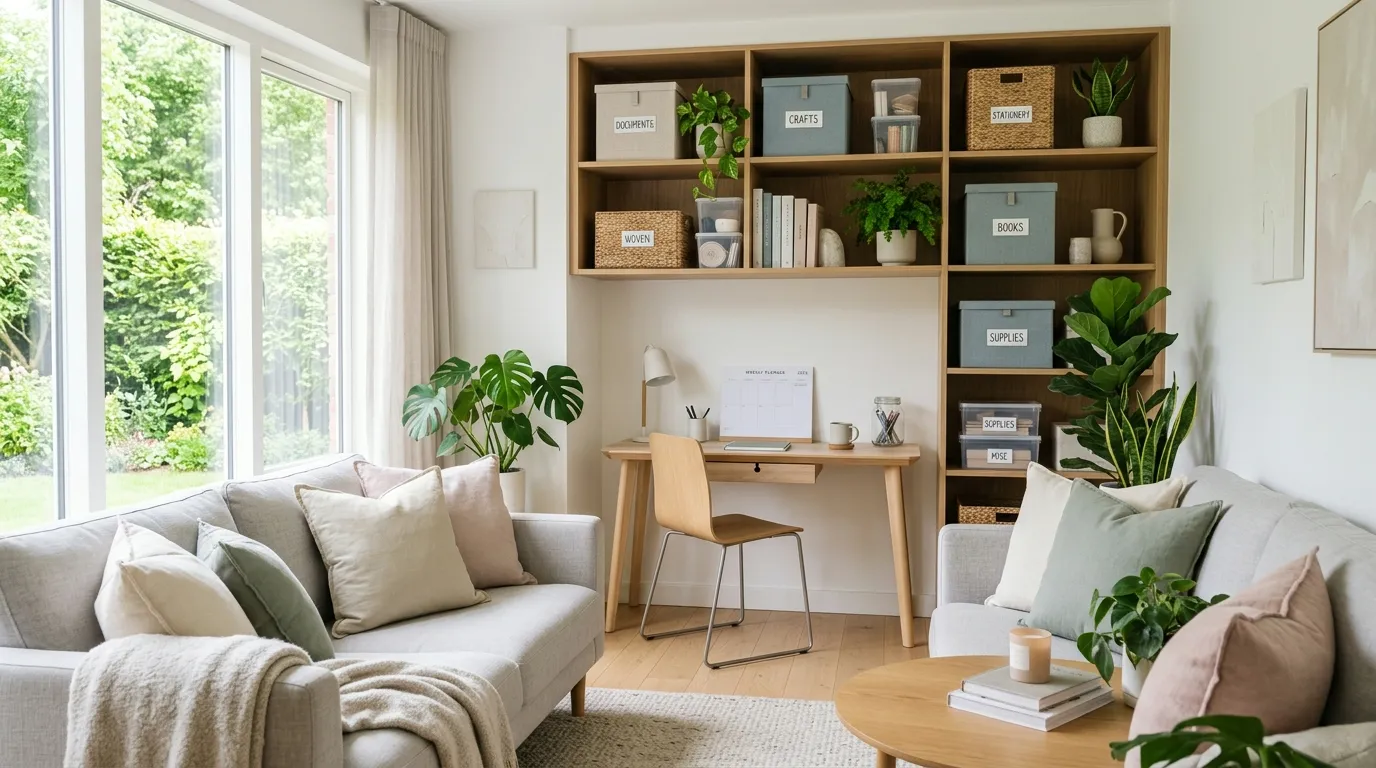
Label Everything
Labels are a game-changer for staying organized. They tell everyone in your home where things belong. This prevents items from being misplaced or lost.
Use reusable labels or a simple label maker. Clear labeling means less searching and fewer duplicate purchases. It’s a small habit with a big impact on household sustainability.
Maintain a Regular Routine
Organization isn’t a one-time event. It needs regular upkeep to last. Build short tidying sessions into your daily routine.
Spend ten minutes each evening resetting your space. Put items back where they belong and clear surfaces. This habit keeps clutter from piling up and makes deep cleaning rare.
Maximize Vertical Space
Many homes waste valuable vertical space. Walls, doors, and the backs of cabinets offer hidden storage potential. Using this space keeps floors clear and rooms feeling open.
Install shelves, hooks, and over-the-door organizers. These solutions store more without taking up extra floor space. Vertical storage is especially helpful in small homes and apartments.
Where to Buy Household Storage Organizer Online
Shopping online makes it easy to find quality storage. You can compare options, read reviews, and choose sustainable materials from home. When you buy household storage organizer online, a little planning ensures you get lasting value.
What to Look For When Shopping
Not all organizers are created equal. Cheap, flimsy options often break quickly and end up in the trash. Investing in quality supports both your home and the planet.
Keep these factors in mind:
- Choose durable, reusable materials
- Look for eco-friendly or recycled content
- Check reviews for real-world durability
- Pick adjustable or modular designs
- Avoid excessive plastic packaging
A thoughtful purchase lasts for years. That’s far more sustainable than buying replacements every season.
Avoid Overbuying
It’s tempting to buy every organizer you see. But overbuying creates the clutter you’re trying to fix. Measure your space and know your needs before you shop.
Buy only what you’ll actually use. A few quality pieces beat a closet full of unused bins. This mindful approach is one of the smartest household organization tips you can follow.
Sustainable Habits That Stick
The goal of any sustainability journey is lasting change. Habits, not one-time efforts, create real impact. These tips help you stay green for the long haul.
Start Small and Build Up
Don’t try to change everything overnight. Pick one or two new habits and master them first. Once they feel natural, add another.
This gradual approach prevents overwhelm. Small wins build confidence and momentum. Before long, sustainable living becomes second nature in your home.
Involve the Whole Household
Sustainability works best as a team effort. Get everyone in your home on board. When the whole family participates, habits stick and chores feel lighter.
Assign simple eco-tasks to each person. Kids can sort recycling, while adults manage refills and repairs. Shared responsibility makes household sustainability a natural part of daily life.
Track Your Progress
Seeing your progress keeps you motivated. Notice how much less you throw away each week. Celebrate the money you save and the waste you avoid.
Use your household organization binder to track goals. Jot down wins, like switching to organic household products or reducing food waste. These small reminders fuel your long-term commitment.
Conclusion: Build a Greener, Tidier Home Today
A sustainable home is within your reach, no matter where you start. The right sustainability tips blend eco-friendly choices with smart organization. Together, they reduce waste, save money, and create a space you love.
Start small by swapping in sustainable household products or trying the best organic household cleaners. Build a household organization system that fits your life, and choose durable storage you’ll use for years. Each step brings you closer to lasting household sustainability.
Pick one tip from this guide and put it into action today. Your greener, more organized home begins with a single, intentional choice.
Frequently Asked Questions
What are the easiest sustainability tips to start with at home?
The easiest sustainability tips include switching to LED bulbs, using reusable bags, and reducing single-use plastics. You can also start by decluttering one room and donating unused items. These small steps require little effort but make a real difference. Begin with one habit, then build from there for lasting change.
How does household organization support sustainability?
Household organization reduces waste by helping you see and use what you own. When items have a home, you buy fewer duplicates and waste less food. A tidy space also makes it easy to donate or recycle things you no longer need. This connection makes organization a powerful tool for household sustainability.
What should I include in a household organization binder?
A household organization binder works best with cleaning schedules, meal plans, and budget trackers. You can also add warranties, important contacts, and appliance maintenance reminders. This keeps your home’s key details in one tidy place. The binder cuts paper clutter and helps you stay on top of daily tasks.
Are the best organic household cleaners as effective as regular ones?
Yes, the best organic household cleaners clean just as well without harsh chemicals. They use plant-based ingredients that break down naturally and protect your indoor air. Many work great on grease, glass, and surfaces throughout your home. For families with kids or pets, they offer safer, cleaner results.
How do I choose sustainable household products?
Look for sustainable household products made from renewable or recycled materials. Check that they’re free from toxic chemicals and packaged in recyclable materials. Reading labels helps you avoid greenwashing and misleading claims. Choosing durable, refillable items ensures your purchases last and reduce waste over time.
What is a household essentials sock organizer and why use one?
A household essentials sock organizer keeps small items like socks neat and easy to find. It divides drawers into sections so nothing gets lost or mixed up. This simple tool saves time and prevents the frustration that leads to repurchasing. It’s an easy way to bring order to messy drawers.
Where can I buy household storage organizer online safely?
You can buy household storage organizer online from trusted retailers with strong reviews. Look for durable, eco-friendly materials and clear product descriptions. Reading customer feedback helps you judge real-world quality before buying. Choosing modular or adjustable designs ensures the organizer fits your space and lasts longer.
What makes the best household organization system?
The best household organization system fits your lifestyle and grows with your needs. It starts with decluttering, then adds clear storage and consistent routines. Labeling items and using vertical space help keep everything in order. A good system reduces waste, saves time, and lowers daily stress at home.
Can DIY cleaners replace organic household products from the store?
DIY cleaners can replace many organic household products for everyday cleaning needs. Simple mixes of vinegar, baking soda, and essential oils handle most jobs well. They cost less and cut down on packaging waste. For tougher tasks, store-bought organic options offer a convenient, reliable backup.
How can I keep my home organized without buying too much?
Measure your space and know your needs before buying any organizers. Use what you already have, like jars, boxes, and baskets, before purchasing more. Buy only durable, quality pieces that you’ll actually use. This mindful approach prevents clutter and keeps your home both tidy and sustainable.
What are some good household organization tips for small spaces?
For small spaces, maximize vertical storage with shelves, hooks, and over-the-door organizers. Choose multi-use furniture and clear, stackable bins to save room. Labeling everything helps you find items fast in tight quarters. These household organization tips keep small homes clutter-free and feeling open.
How do I get my family involved in household sustainability?
Make household sustainability a team effort by assigning simple eco-tasks to everyone. Kids can sort recycling, while adults handle refills and repairs. Track your progress together and celebrate small wins along the way. When the whole household participates, green habits become a natural part of daily life.
