

In today’s digital landscape, individuals are increasingly mindful of how their lifestyle choices impact both personal well-being and the environment. With consumer interest in wellness and sustainability on the rise, selecting organic products has become a priority for many households. This comprehensive guide will explore what it means to choose organic products, demonstrate why these choices matter, and show practical ways to weave natural, chemical-free items into your everyday routine.
Organic products are more than a label—they represent a commitment to farming practices that avoid synthetic pesticides, genetically modified organisms, and harsh chemical processing. By understanding industry standards and certifications, you can make informed purchases that support healthier ecosystems and safer food on your table. From nutrient-rich produce to eco-friendly cleaning supplies, the realm of organic goods extends across food, beauty, and household categories.
Whether you’re a seasoned organic advocate or just beginning to swap conventional items for greener alternatives, this article will equip you with actionable insights. You’ll learn how to read labels, discover cost-saving shopping strategies, and adopt sustainable habits that amplify the benefits of organic living. Plus, by examining emerging innovations and dispelling common misconceptions, you’ll gain confidence in embracing a lifestyle that prioritizes both human health and planetary resilience.
Understanding Organic Products
At its core, the term organic refers to an agricultural and processing approach that prioritizes ecological balance and biodiversity. Organic products derive from farms and facilities that abstain from synthetic chemicals, petroleum-based fertilizers, antibiotics, and genetically engineered seeds. Certification bodies like the United States Department of Agriculture (USDA) and the European Union ensure compliance by enforcing rigorous standards on soil health, pest management, and traceability.
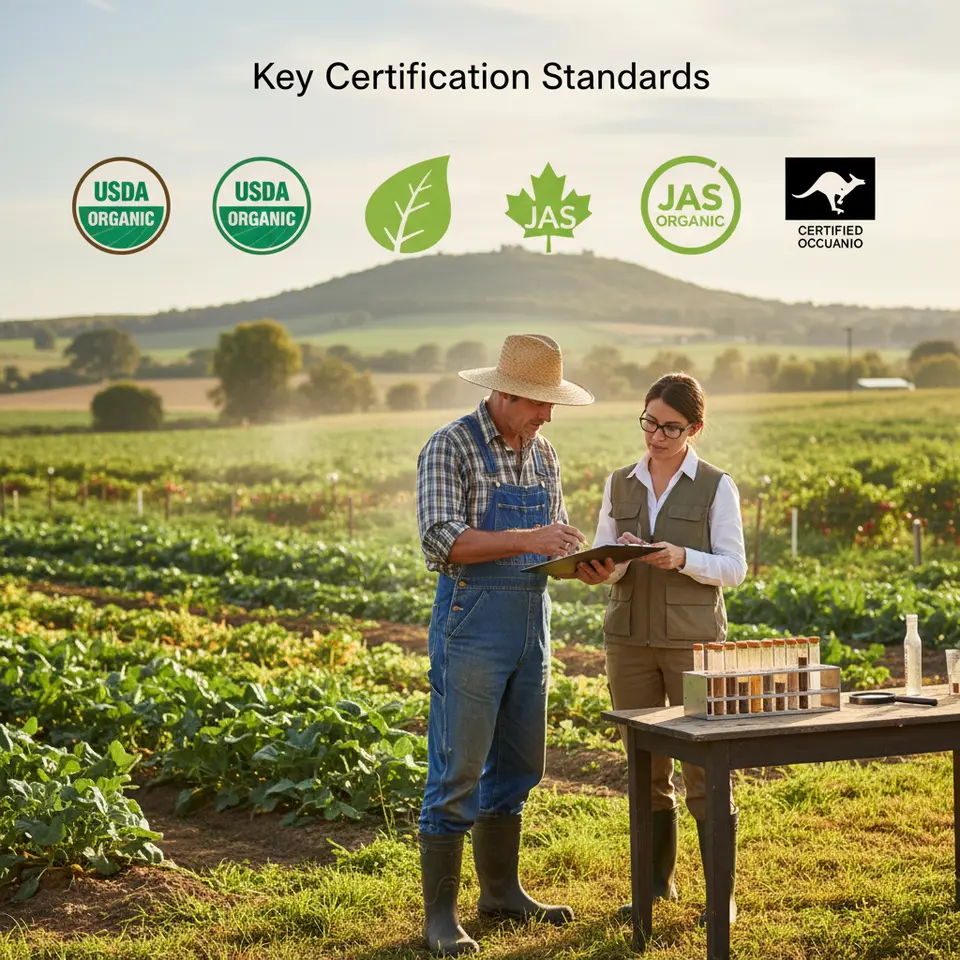
Key Certification Standards
To carry the USDA Organic seal, a product must consist of at least 95% organically grown ingredients. Farmers and processors undergo annual audits, soil tests, and detailed record-keeping to retain this certification. In Europe, the green leaf logo signifies adherence to EU Regulation 2026/848, which similarly outlines requirements for crop rotation, animal welfare, and chemical avoidance. Other notable certifiers include Canada Organic, the Japanese Agricultural Standard (JAS), and Australia Certified Organic, all ensuring that organic products meet recognized guidelines.
Diverse Categories of Organic Goods
While fresh fruits and vegetables often come to mind first, organic products span far beyond produce. You’ll find certified organic dairy, meat, grains, snacks, and beverages. In the personal care aisle, cosmetics and skin care items featuring the COSMOS or USDA Organic emblem guarantee limited ingredient lists and plant-based formulations. Even household cleaning solutions now use biodegradable surfactants and essential oils for effective, eco-friendly performance. Textile offerings such as organic cotton apparel and bamboo linens complete the spectrum, reflecting how the movement toward sustainable living extends into every aspect of daily life.
By opting for certified organic products, consumers can be confident they’re supporting ecosystems where soil regeneration, animal welfare, and minimal chemical intrusion coexist in harmony. Institutions like the Rodale Institute provide ongoing research on organic methodologies and continuously refine best practices (https://rodaleinstitute.org/).
Benefits of Choosing Organic Products
Switching to organic products offers a host of advantages that touch on health, environmental protection, and social responsibility. As you weigh the decision to integrate more natural items into your routine, consider the wide-ranging benefits that come from supporting organic agriculture and manufacturing.
Enhanced Nutritional Profile
Research indicates that organic foods often boast higher levels of certain antioxidants, vitamins, and minerals compared to their conventionally grown counterparts. A systematic review published by Newcastle University found that organic crops contain 17% more antioxidants on average (https://www.ncl.ac.uk/). Reduced exposure to pesticide residues and heavy metals further underscores the appeal of organic produce for families seeking cleaner nutrition.
Reduced Chemical Exposure
Conventional farming relies heavily on synthetic pesticides and herbicides, which can leave residual traces on produce. Choosing organic products minimizes your intake of these substances. Additionally, organic livestock raised without routine antibiotics or growth hormones can lower your exposure to drug-resistant bacteria, a growing concern recognized by the Centers for Disease Control and Prevention (https://www.cdc.gov/).
Positive Environmental Impact
Organic agriculture employs techniques such as crop rotation, cover cropping, and biological pest control to nurture healthy soils. These methods enhance carbon sequestration, conserve water, and bolster biodiversity by providing richer habitats for pollinators and wildlife. A recent report from the Food and Agriculture Organization highlights how organic systems can help mitigate climate change through improved land stewardship.
Support for Rural Communities
By purchasing organic products, you contribute to farming operations that often prioritize fair labor standards and transparent supply chains. Many smaller-scale organic farms participate in direct-to-consumer models, such as Community Supported Agriculture (CSA), fueling local economies and reducing the demand for long-haul transportation.
How to Make Smart Organic Purchases
While the organic market continues to expand this year (2026), it’s crucial to differentiate genuinely certified goods from items that might carry misleading claims. Adopting strategic label-reading and shopping habits helps ensure you invest in authentic, high-quality products.
Decoding Labels and Seals
Look for reputable emblems such as the USDA Organic seal or the EU organic logo. On processed foods, “100% Organic” indicates that every ingredient is certified. When you see “Made with Organic Ingredients,” at least 70% of the components are organic, though the seal may not appear on the front label. Be wary of vague terminology like “natural” or “all-natural,” which do not guarantee certification or specific standards.
Shopping Strategies
Farmers’ markets remain a top destination for seasonal, freshly harvested produce directly from accredited organic growers. Joining a CSA box subscription can provide weekly deliveries of local, in-season items and foster a direct relationship with suppliers. Health food co-ops often feature bulk bins for grains and legumes, reducing packaging waste while allowing you to buy precise quantities at lower prices.
Online Resources and Apps
Several mobile applications help verify organic certifications and track ingredient transparency. Platforms like the Environmental Working Group’s Food Scores database can guide you toward lower-pesticide items when organic versions are unavailable.
Incorporating Organic Products into Your Lifestyle

Organically based choices extend beyond grocery shelves. By blending organic products into cooking, personal care, and household routines, you can amplify the benefits of cleaner, greener living.
Meal Planning with Organic Ingredients
Begin meals by featuring seasonal produce as the centerpiece—think organic leafy greens, root vegetables, and berries. Pair these with whole grains such as brown rice or quinoa, and healthier fats like cold-pressed olive or avocado oil. For proteins, prioritize organic poultry, beef, or legumes to ensure minimal exposure to hormones and antibiotics. Homemade sauces and dressings made from pantry staples and organic spices elevate flavors while keeping additives at bay.
Natural Beauty and Personal Care
Transitioning your skincare regimen to certified organic cosmetics can reduce irritation and skin sensitivities caused by synthetic fragrances or parabens. Look for labels like COSMOS Organic or USDA Organic on cleansers, moisturizers, and makeup products. Essential oils derived from organically farmed plants add therapeutic benefits without compromising on purity.
Green Home Cleaning
Swap conventional cleaners for DIY mixtures featuring vinegar, baking soda, and organic essential oils. Many certified organic cleaning brands now offer detergents and multi-surface sprays formulated with plant-based surfactants and biodegradable ingredients. These options clean effectively while safeguarding indoor air quality and preventing chemical runoff.
Sustainable Practices and Future Outlook
Combining conscious purchases of organic products with eco-friendly habits enhances the positive impact on health and the planet. As consumer demand grows, industry innovations and policy support continue to advance the organic movement.
Minimizing Waste and Eco Habits
Reducing single-use packaging is a simple yet powerful step. Buy staples in bulk, utilize reusable produce bags, and store leftovers in glass containers. Composting organic food scraps returns nutrients to your garden and supports local soil health. Seasonal shopping not only ensures peak freshness but also lowers transportation-related carbon emissions.
Debunking Common Misconceptions
One prevalent myth is that organic products are prohibitively expensive. In reality, planning purchases around sales, joining co-ops, and choosing seasonal items can close the price gap. Another misunderstanding is that organic yields cannot sustain global food demand. Studies from institutions like the Rodale Institute demonstrate that regenerative organic systems can achieve productivity gains over time through improved soil management.
Innovations Shaping the Future
Precision agriculture, vertical farming, and compostable packaging are just a few advancements that promise to expand organic availability and affordability. Governments and research bodies are investing in programs that reward regenerative practices. As these efforts gain momentum, more brands will integrate transparent supply chains and circular-economy principles, making organic products a practical option for an ever-wider audience.
Frequently Asked Questions
What does the USDA Organic seal guarantee?
The USDA Organic seal ensures that the product contains at least 95% organically grown ingredients, has been produced without synthetic pesticides, GMOs, or antibiotics, and that the farm or facility undergoes annual inspections and audits.
Are organic products always more expensive?
While organic items can carry a premium, strategic shopping—such as buying in season, joining co-ops, and utilizing sales—can significantly reduce costs and make organic living more affordable.
Can organic farming feed a growing global population?
Research from institutions like the Rodale Institute shows that regenerative organic practices can maintain and even increase yields over time through improved soil health, crop diversity, and water management.
Conclusion
Embracing organic products today empowers you to support ethical farming, protect biodiversity, and enjoy cleaner, nutrient-rich goods. By combining savvy shopping, eco-conscious routines, and informed advocacy, you contribute to a healthier world for yourself and future generations.
