

Organic products promote healthier living and environmental sustainability by reducing chemical exposure and supporting eco-friendly farming. This guide explores benefits, certifications, categories, and practical tips for transitioning to organic foods, personal care, and household essentials in 2026.
In today’s digital landscape, the surge in interest around organic products reflects a growing awareness of personal health and environmental responsibility. Consumers are increasingly seeking out items that are cultivated or manufactured without synthetic pesticides, chemical fertilizers, or genetic modification. Choosing organic products not only minimizes your exposure to potentially harmful substances but also supports sustainable agriculture and ethical manufacturing practices. This year (2026), more households than ever before are embracing organic foods, personal care goods, textiles, and household cleaners as part of a holistic approach to well-being. By understanding the myriad benefits, the range of available categories, and the certifications that guarantee authenticity, you can make informed decisions that align with both your values and your lifestyle. Whether you’re a longtime advocate for green living or just beginning to explore the world of organic offerings, this comprehensive guide will equip you with practical advice, credible resources, and inspiring DIY projects to integrate organic products into every aspect of your daily routine.
Benefits of Organic Products
Adopting organic products into your lifestyle yields numerous advantages that extend beyond individual health to encompass environmental stewardship and ethical considerations. One of the most compelling medical studies, published by the National Institutes of Health (NIH), indicates that organically grown produce often displays higher levels of essential nutrients such as vitamin C, iron, magnesium, and phosphorus. This elevated nutrient density translates into enhanced antioxidant intake, which can play a role in reducing oxidative stress and supporting overall immune function.
Reducing chemical exposure is another major health benefit. Conventional farming practices frequently employ synthetic pesticides and herbicides that can linger on fruits, vegetables, and grains. By opting for organic products, you can significantly lower the risk of ingesting residues linked to hormonal disruptions and long-term health concerns. A report from the U.S. Environmental Protection Agency (EPA) confirms that the adoption of organic methods can decrease pesticide runoff into waterways, thereby protecting both human populations and aquatic ecosystems.
Beyond health, organic agriculture promotes soil health and biodiversity. Without synthetic fertilizers, farmers rely on crop rotation, composting, and natural pest controls that enrich soil structure and microbial life. Over time, this approach fosters resilient ecosystems, conserves water, and minimizes erosion. Additionally, animal-based organic products adhere to stringent welfare standards—free-range grazing, no routine antibiotics, and no synthetic growth hormones—ensuring that livestock enjoy more humane living conditions.
Many consumers also notice a marked improvement in taste and freshness when choosing organic products. Harvested at peak ripeness and shipped with minimal processing, organic fruits and vegetables often boast richer flavor profiles. Whether you’re savoring a ripe heirloom tomato or applying a plant-based moisturizer, the natural purity of organic ingredients shines through. Collectively, these benefits make a compelling case for integrating organic products into a balanced, eco-friendly lifestyle.
Diverse Categories of Organic Products
Organic products span multiple industries, offering eco-friendly options for nearly every facet of daily life. Understanding these categories helps you prioritize purchases that resonate with your personal goals and values.
Organic Foods
Organic foods are the cornerstone of most green living journeys. From farm-fresh fruits and vegetables to grains, dairy, and meat, certified organic edibles must meet strict guidelines set by regulatory bodies such as the USDA National Organic Program. When shopping, look for the USDA Organic seal or the equivalent EU Organic logo. Prioritizing seasonal and locally sourced produce not only guarantees peak flavor but also reduces transportation-related carbon emissions.
Organic Personal Care
Skincare and beauty products formulated with organic ingredients avoid synthetic fragrances, parabens, and harsh preservatives. Popular items include gentle cleansers infused with chamomile and rose water, hydrating moisturizers rich in shea butter and jojoba oil, and makeup free of phthalates. By selecting organic personal care essentials, you minimize chemical absorption through the skin and support brands committed to transparent sourcing and cruelty-free testing.
Organic Textiles
Textile manufacturing often relies on pesticides and chemical dyes that can harm farm workers and the environment. Organic cotton, linen, and bamboo fabrics carry certifications such as GOTS (Global Organic Textile Standard), ensuring that fibers are grown and processed under eco-friendly conditions. Investing in organic bedding, clothing, and towels means enjoying soft, breathable textiles while upholding fair labor practices.
Organic Cleaning Products
Conventional cleaning supplies can emit volatile organic compounds (VOCs) that irritate respiratory systems and degrade indoor air quality. Organic alternatives harness the power of plant-based surfactants, vinegar, baking soda, and essential oils to tackle grease and grime without leaving behind toxic residues. Whether you’re spraying a multi-surface cleaner or soaking laundry in plant-derived detergents, these products deliver cleanliness with a conscience.
Organic Supplements
From herbal remedies like turmeric and echinacea to superfood powders such as spirulina and wheatgrass, organic supplements originate from plants cultivated without synthetic fertilizers or genetically modified organisms. Free from artificial binders and fillers, these capsules, powders, and tinctures offer a pure approach to nutritional support. Always verify third-party testing for potency and purity before integrating supplements into your regimen.

Certifications and Quality Selection Strategies
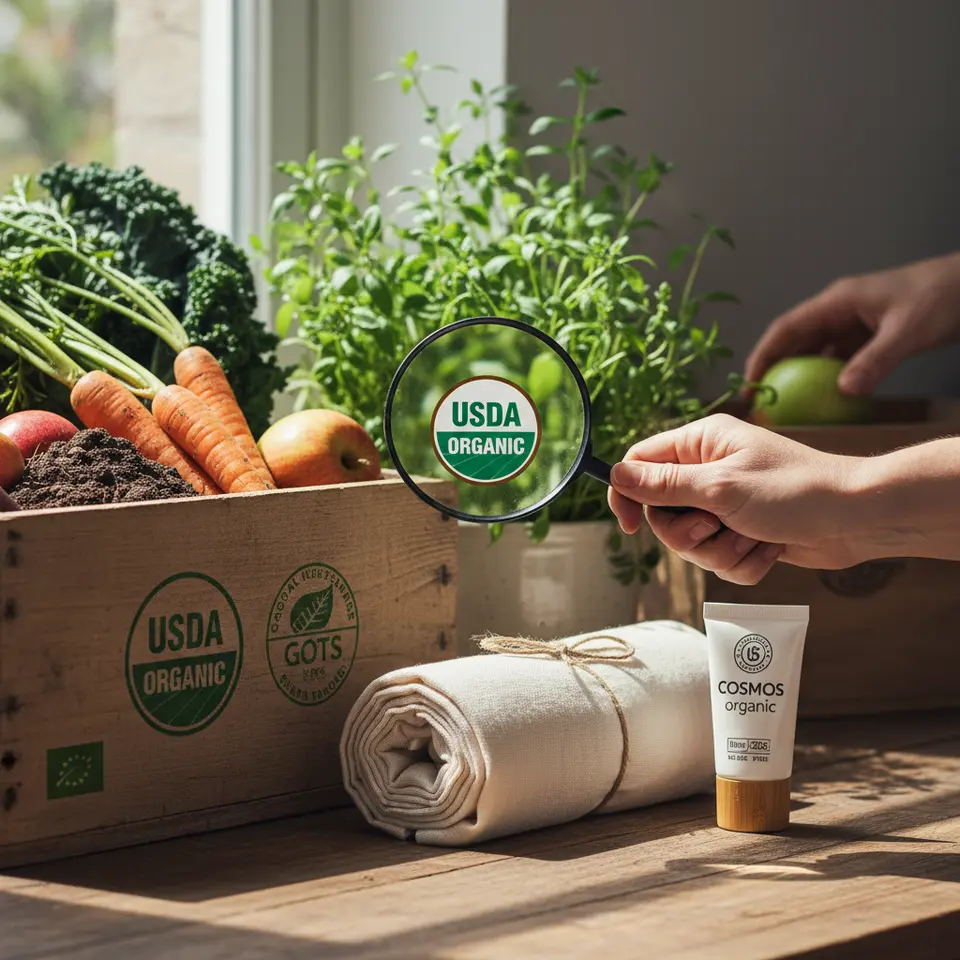
Authenticity is paramount when choosing organic products, which is why certification labels exist to verify adherence to rigorous standards. The most widely recognized seals around the world include:
- USDA Organic: Overseen by the U.S. Department of Agriculture, this certification requires at least 95% of ingredients to be organic, prohibits synthetic additives, and mandates on-site inspections.
- EU Organic: The European Union label guarantees compliance with EU regulations on pesticides, genetically modified organisms, and animal welfare.
- GOTS (Global Organic Textile Standard): The leading international certification for organic fibers, covering ecological and social criteria throughout textile supply chains.
- COSMOS Organic: A collaboration between major cosmetic certifiers that sets uniform standards for organic and natural cosmetics globally.
When evaluating products, always look for these trusted seals and familiarize yourself with their specific criteria. Many certifying bodies maintain searchable databases on their official websites. For instance, the USDA National Organic Program offers a public access directory at https://www.usda.gov/organic, where you can verify a producer’s certification status. Similarly, GOTS provides a list of certified facilities and brands at https://global-standard.org/. Understanding these labels empowers you to avoid greenwashing—marketing tactics that exaggerate environmental claims without proper validation. By choosing certified products, you ensure that your purchases uphold genuine ecological and ethical standards.
Even within the organic market, product quality can vary significantly. Employ these strategies to maximize the value and impact of your purchases:
Read Ingredient Lists Carefully
Short, transparent ingredient lists are hallmarks of superior organic products. In foods, prioritize whole ingredients over lengthy additive lists. In skincare and cleaning solutions, avoid hidden synthetics such as polyethylene glycol (PEG) or sodium lauryl sulfate (SLS). If an ingredient is unfamiliar, research its origin and function before clicking “add to cart.”
Verify Certification Seals
Always double-check that the certification logo on the packaging matches the official seal from the governing body. Some brands misuse similar-looking marks to imply organic status without meeting requirements. When in doubt, cross-reference product codes or company names in the certifier’s online registry.
Support Local and Small-Scale Producers
Local organic farms and artisans often use minimal packaging, seasonal sourcing, and direct-to-consumer models that reduce overhead costs. Visiting farmers markets or community-supported agriculture (CSA) programs not only fosters community connections but also lets you ask questions about farming practices and harvest dates directly from growers.
Compare Prices and Shop Sales
Organic goods can carry a premium price tag, but smart shopping tactics help you save. Buying in bulk, choosing store brands, or timing purchases around seasonal sales can lower per-unit costs. Some retailers also offer loyalty programs or discounts for reusable packaging.
Prioritize Multi-Use and Concentrated Formulas
Look for concentrated cleaners, multi-purpose skincare balms, and bulk foods that reduce packaging waste and overall cost. A highly concentrated organic detergent or an all-in-one coconut oil balm, for example, performs multiple functions and lasts longer than single-use alternatives.
By applying these strategies, you can optimize both your budget and your commitment to high-integrity organic products that deliver real benefits.
DIY Organic Projects for Home
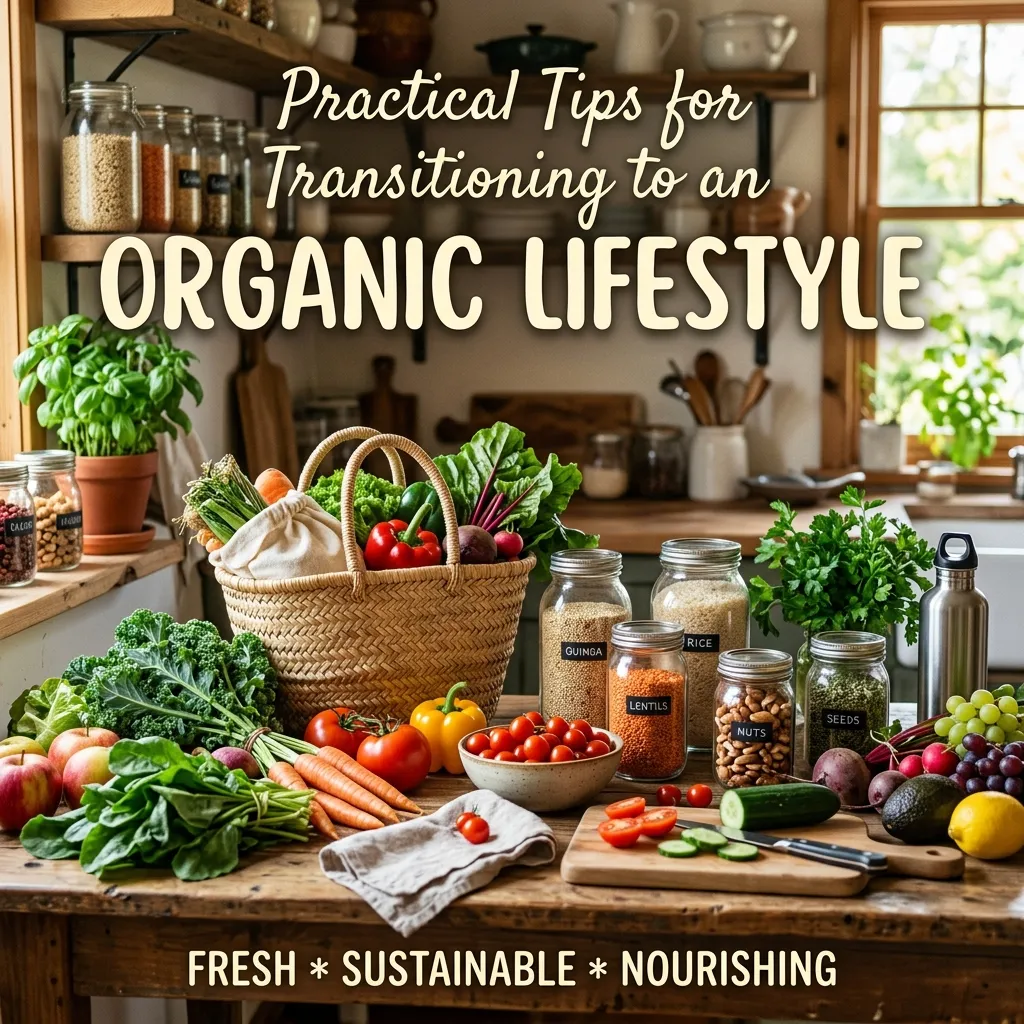
Embracing do-it-yourself organic projects can deepen your connection to ingredients and cut costs while reducing packaging waste. Here are some easy, effective recipes to try this year (2026):
All-Natural Citrus Vinegar Cleaner
- Collect peels from organic oranges, lemons, or limes in a glass jar.
- Fill the jar with distilled white vinegar until peels are submerged.
- Seal and steep in a cool, dark place for two weeks, shaking occasionally.
- Strain out peels and transfer the infused vinegar to a spray bottle.
- Mix one part infused vinegar with one part water for an eco-friendly multi-surface cleaner.
Herbal Facial Mist
- Boil 2 cups of filtered water and remove from heat.
- Stir in 1 tablespoon each of dried rose petals, lavender buds, and chamomile flowers.
- Cover and steep for 30 minutes, then strain into a sterilized spray bottle.
- Use daily to hydrate and soothe skin, storing in the refrigerator for extra refreshment.
Organic Sugar-Free Body Scrub
- Mix 1 cup of organic cane sugar with ½ cup of extra-virgin coconut oil.
- Add 10–15 drops of your favorite essential oil (e.g., peppermint or eucalyptus).
- Stir thoroughly and store in a glass jar. Use in the shower to exfoliate and moisturize.
Reusable Produce Bags
Craft lightweight drawstring bags from certified organic cotton mesh. Simply cut fabric panels, sew three sides, and attach a cotton cord. Wash and reuse these bags to replace disposable plastic produce sacks and promote zero-waste grocery shopping.
FAQ About Organic Products
What does USDA Organic certification entail?
USDA Organic certification ensures that agricultural products meet strict federal standards for organic farming. At least 95% of the ingredients must be organically produced without synthetic pesticides, fertilizers, or genetically modified organisms (GMOs). The certification process also includes regular on-site inspections of farms and processing facilities. These checks verify compliance with soil management, animal welfare, and environmental sustainability standards. Only products meeting all requirements can display the official USDA Organic seal.
Are organic products more nutritious?
Research shows mixed results, but some studies suggest organic produce may contain slightly higher levels of antioxidants, vitamin C, and certain minerals. One key benefit is the reduced exposure to synthetic pesticide residues, which many consumers prefer to avoid. However, the overall nutritional differences between organic and conventional foods are generally modest. A balanced diet rich in fruits and vegetables remains more important than production method alone. Still, many people choose organic for health and environmental reasons.
How can I verify a product’s organic status?
The most reliable way is to look for official certification labels such as USDA Organic, EU Organic, COSMOS Organic, or GOTS for textiles. These seals indicate that the product has passed regulated inspections and meets strict organic standards. You can also check certification codes on packaging and verify them through official certifier databases. Trusted brands often provide transparency about sourcing and certification on their websites. Avoid products with vague or unverified “natural” claims without certification.
Do organic goods cost more?
Yes, organic products are often more expensive than conventional alternatives due to higher production costs. Organic farming typically requires more labor, stricter regulations, and lower yields per acre. Transportation and certification expenses can also increase the final price. However, consumers can reduce costs by buying seasonal produce, purchasing in bulk, and choosing local farmers’ markets. Store-brand organic products are also a more affordable option in many supermarkets.
Can I make my own organic cleaning products?
Yes, many effective organic cleaning solutions can be made at home using simple ingredients. Common options include vinegar for disinfecting, baking soda for scrubbing, and lemon juice for removing stains and odors. Essential oils like tea tree or lavender can add antibacterial properties and fragrance. These homemade cleaners are eco-friendly, cost-effective, and free from harsh chemicals. They are suitable for everyday household cleaning when used correctly.
What is the difference between “organic” and “natural” products?
“Organic” products are legally regulated and must meet strict certification standards set by authorized bodies. “Natural,” on the other hand, is not strictly regulated and can be used loosely by manufacturers. Organic certification guarantees no synthetic pesticides, GMOs, or prohibited chemicals in production. Natural products may still contain artificial ingredients or undergo processing that is not clearly defined. Always rely on certification labels rather than marketing terms alone.
Are organic foods better for the environment?
Yes, organic farming is generally considered more environmentally friendly. It reduces chemical runoff, improves soil health, and promotes biodiversity. Organic practices also encourage crop rotation and sustainable land use, which help preserve ecosystems. However, yields can sometimes be lower, which is a factor in environmental discussions. Overall, organic agriculture tends to have a lower ecological footprint when managed responsibly.
How long does organic certification last?
Organic certification is not permanent and must be renewed regularly. Farms and producers typically undergo annual inspections to maintain their certification status. These inspections ensure continued compliance with organic standards and regulations. If a producer fails to meet requirements, certification can be suspended or revoked. This ongoing process helps maintain the integrity of organic labeling.
Can processed foods be organic?
Yes, processed foods can be labeled organic if they meet strict ingredient and production guidelines. At least 95% of the ingredients must be certified organic for USDA Organic labeling. The remaining ingredients must come from approved non-organic sources and cannot include prohibited substances. Processing methods must also avoid artificial preservatives, colors, and flavors. This ensures that even packaged foods maintain organic integrity.
Why are organic farming methods considered sustainable?
Organic farming emphasizes soil health, biodiversity, and reduced chemical use. Farmers use natural fertilizers like compost and manure instead of synthetic chemicals. Crop rotation and biological pest control help maintain ecological balance. These practices reduce long-term environmental damage and support healthier ecosystems. As a result, organic farming is widely considered a key part of sustainable agriculture.
Conclusion
Embracing organic products represents a holistic commitment to health, environmental stewardship, and ethical living. In today’s market, a vast array of certified options—from food and personal care to textiles and cleaning solutions—makes it easier than ever to align your lifestyle with sustainable values. By understanding the benefits, verifying credible certifications, and applying smart shopping strategies, you can confidently integrate high-quality organic products into every aspect of your daily routine. Don’t forget to explore DIY recipes that deepen your relationship with ingredients and reduce waste. Whether you start by swapping one pantry item or overhauling your personal care regimen, each small step contributes to a healthier home, a cleaner environment, and a more mindful way of living in this year (2026). Invest in organic products today to reap long-term rewards for yourself and the planet.
