
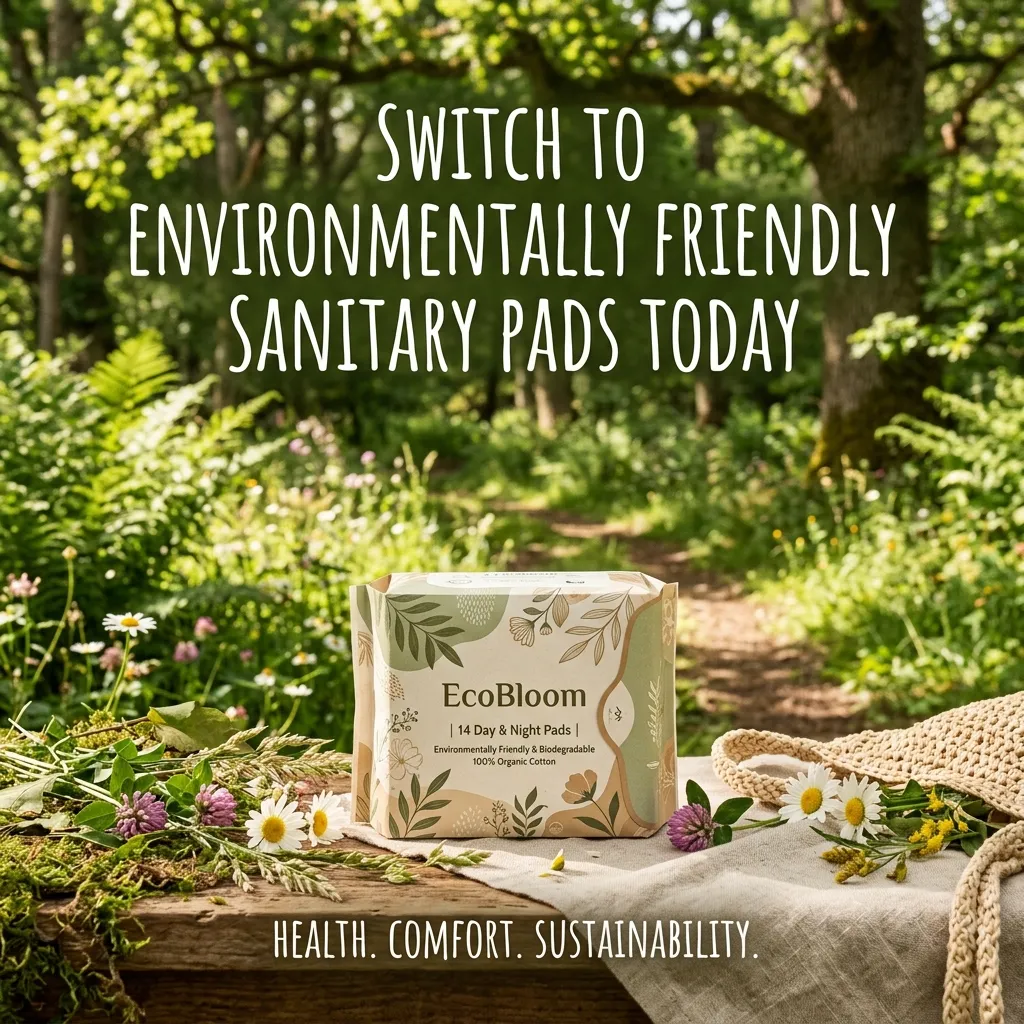
Environmentally friendly sanitary pads reduce plastic waste, chemical exposure, and environmental pollution while providing safer, breathable, and comfortable menstrual care. Made from organic materials like bamboo and cotton, they support healthier bodies, sustainable living, and a cleaner future.
The average person who menstruates will use thousands of sanitary products over their lifetime. Most of these conventional items contain high amounts of plastic, synthetic fibers, and chemical additives. When discarded, they end up in landfills or oceans, taking centuries to break down. This massive accumulation of waste poses a significant threat to our ecosystems. As global awareness of climate change and environmental degradation grows, consumers are seeking better alternatives. Sustainable living involves rethinking our daily habits and the products we rely on. Menstrual hygiene is a crucial part of this conversation. People are actively looking for ways to manage their periods without contributing to the mounting crisis of global waste.
Environmentally friendly sanitary pads offer a practical and effective solution. These products are designed to break down naturally, reducing the long-term impact on the planet. By making a simple switch to environmentally friendly sanitary pads, individuals can significantly cut down their personal carbon footprint while experiencing a range of health benefits. Transitioning to environmentally friendly sanitary pads is not just a trend; it is a vital step toward a healthier body and a cleaner earth.
The Growing Need for Environmentally Friendly Sanitary Pads
Every single day, millions of conventional period products are discarded worldwide. Understanding the sheer scale of this problem helps highlight why environmentally friendly sanitary pads are so important. We must look at the hidden costs of our convenience.
The Hidden Dangers of Conventional Feminine Hygiene
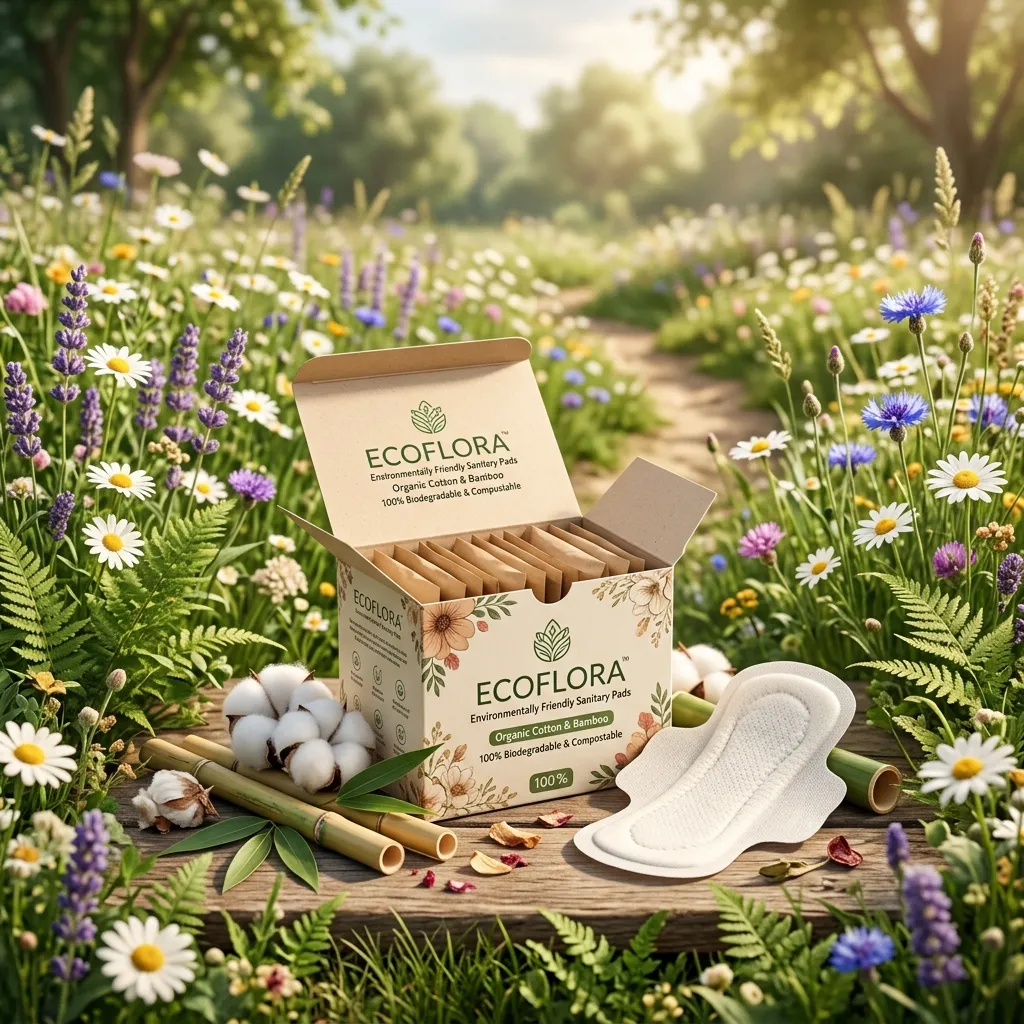
Conventional feminine hygiene products rely heavily on petroleum-based plastics. From the top sheet to the leak-proof backing, plastic is everywhere. This makes them incredibly durable, which is great for preventing leaks but terrible for the environment. These plastics take hundreds of years to decompose. Furthermore, conventional pads are often bleached with chlorine, a process that creates dioxins. Dioxins are highly toxic pollutants that can accumulate in the body and the environment. This is why replacing them with environmentally friendly sanitary pads is becoming a priority for health-conscious consumers.
A Shift Toward Sustainable Menstrual Management
Thankfully, the conversation around menstruation is evolving. More people are questioning the materials used in their most intimate products. This shift in consumer demand has led to a boom in environmentally friendly sanitary pads. Companies are now innovating with plant-based materials and sustainable practices. The goal is to provide reliable protection without the heavy environmental toll. Environmentally friendly sanitary pads bridge the gap between necessary personal care and ecological responsibility.
Understanding Environmentally Friendly Sanitary Pads
The shift toward greener menstrual hygiene starts with understanding how these products differ from traditional options. A product earns the title of being one of the best environmentally friendly sanitary pads through a combination of thoughtful material sourcing, responsible manufacturing processes, and safe disposal methods. Sustainable brands prioritize renewable resources and avoid harsh chemicals.
What Makes a Pad Truly Sustainable?
For environmentally friendly sanitary pads to be truly sustainable, every step of their lifecycle must be considered. This includes farming the raw materials without toxic pesticides, manufacturing the pads using renewable energy, and ensuring the final product can decompose safely. True environmentally friendly sanitary pads leave virtually no trace behind.
Common Sustainable Materials Used
Manufacturers rely on plant-based and naturally occurring materials to create absorbent, comfortable pads. Environmentally friendly sanitary pads use materials that the earth can easily reclaim.
Organic Cotton
Organic cotton is highly popular in environmentally friendly sanitary pads because it grows without the use of toxic pesticides. It is incredibly soft, breathable, and highly absorbent. Because it is grown organically, it protects farm workers and local ecosystems from toxic chemical runoff.
Bamboo Fibers
Bamboo is another excellent choice for environmentally friendly sanitary pads, offering natural high absorbency and rapid growth rates. Bamboo requires very little water to grow and does not need pesticides. It is naturally antibacterial and highly porous, making it an ideal core material for environmentally friendly sanitary pads.
Plant-Based Bioplastics
To stop leaks, environmentally friendly sanitary pads need a waterproof backing. Instead of petroleum plastic, many brands use corn starch or cassava to create bioplastics. These plant-based layers provide a secure leak-proof barrier without the environmental toll of traditional plastics.
The Environmental Benefits of Environmentally Friendly Sanitary Pads
Switching to sustainable period products creates a ripple effect of positive environmental outcomes. The most immediate impact of using environmentally friendly sanitary pads is a dramatic reduction in plastic waste.
Reducing Plastic Waste and Landfill Burden
A single conventional pad can contain up to 90% plastic. When millions of these are thrown away daily, the strain on global landfills is immense. Biodegradable pads, acting as environmentally friendly sanitary pads, are made from organic cotton and plant-based bioplastics. They decompose in a fraction of the time. Choosing environmentally friendly sanitary pads naturally reduces the immense volume of solid waste sitting in our landfills.
Decreasing Chemical Pollution
Traditional pads undergo intense chemical processing, including bleaching with chlorine, which releases harmful byproducts into the environment. Growing conventional cotton also requires heavy pesticide use. Organic, environmentally friendly sanitary pads bypass these toxic processes. This prevents harmful chemicals from leaching into the soil and local water systems, protecting agricultural lands and community water sources.
Lowering the Carbon Footprint
Manufacturing synthetic plastics is an energy-intensive process that relies heavily on fossil fuels. Environmentally friendly sanitary pads utilize renewable resources like bamboo and organic cotton, which absorb carbon dioxide as they grow. Sustainable brands frequently employ green manufacturing practices, further lowering the overall carbon footprint of environmentally friendly sanitary pads from creation to disposal.
Protecting Marine Life and Ecosystems
Improperly disposed of menstrual products frequently make their way into rivers and oceans. Sea creatures can ingest the microplastics resulting from degrading conventional pads, leading to fatal consequences. Biodegradable alternatives and environmentally friendly sanitary pads break down safely. This keeps harmful microplastics out of marine food webs and preserves delicate aquatic ecosystems.
Health Benefits of Choosing Environmentally Friendly Sanitary Pads
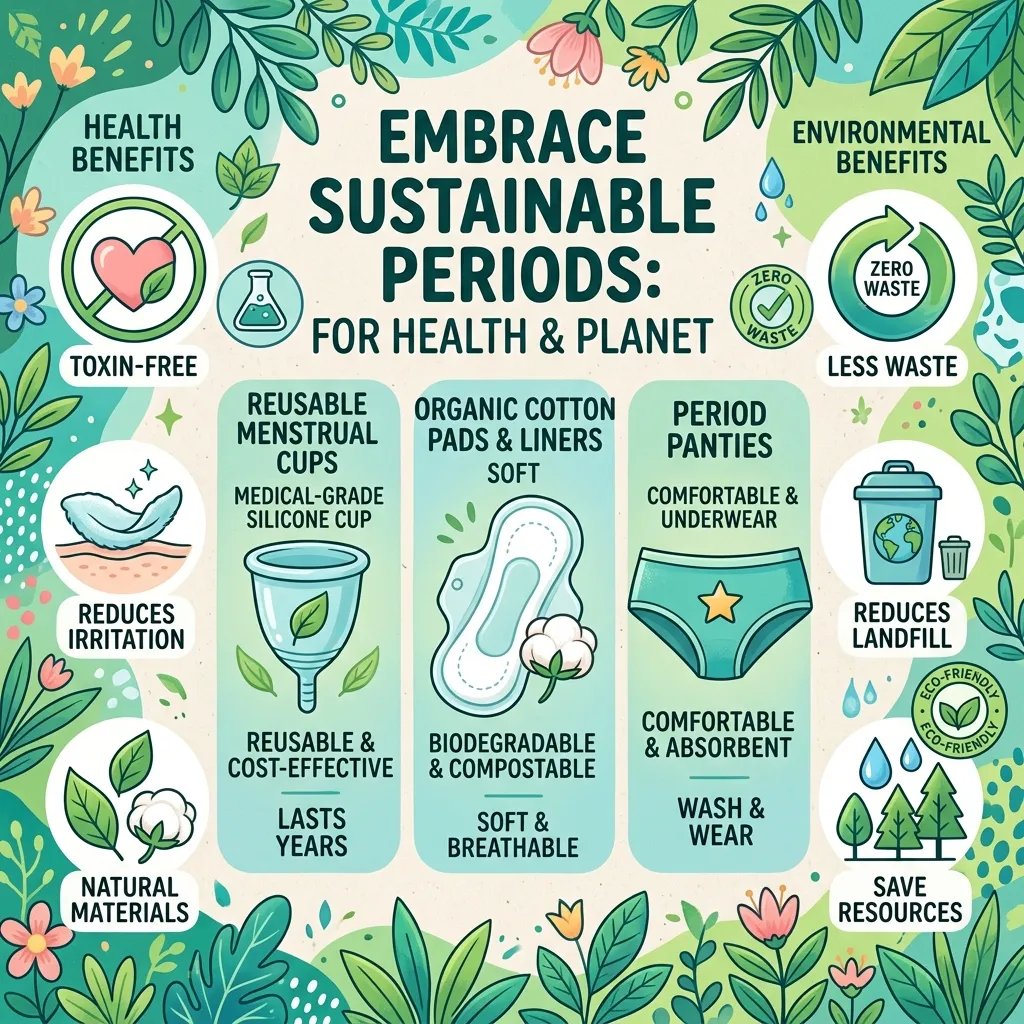
What is good for the planet is often good for the human body. The intimate nature of feminine hygiene products means their composition directly impacts physical health and comfort. Environmentally friendly sanitary pads offer distinct health advantages.
Reduced Chemical Exposure
Standard pads often contain dioxins, phthalates, and artificial fragrances. Dioxins are highly toxic byproducts of the chlorine bleaching process, and long-term exposure can disrupt hormones. Environmentally friendly sanitary pads are generally unbleached or bleached safely using hydrogen peroxide. They also avoid synthetic fragrances. Using environmentally friendly sanitary pads ensures your body remains free from unnecessary chemical exposure.
Minimizing Irritation and Allergies
Synthetic materials trap heat and moisture, creating an ideal environment for bacterial growth. This often leads to painful rashes, severe irritation, and yeast infections. Natural fibers used in environmentally friendly sanitary pads are hypoallergenic and gentle on sensitive skin. People who switch to organic cotton or bamboo environmentally friendly sanitary pads frequently report a significant decrease in skin irritation and allergic reactions.
Enhanced Breathability and Comfort
Organic materials naturally allow air to circulate. This breathability keeps the skin cool and dry, providing a much higher level of comfort during menstruation. The soft texture of organic cotton and bamboo found in environmentally friendly sanitary pads also conforms naturally to the body. This prevents the severe chafing often caused by the rigid plastic edges of conventional products.
Types of Environmentally Friendly Sanitary Pads and Products
The market for sustainable period care has expanded significantly. Consumers now have access to a variety of environmentally friendly sanitary pads that cater to different lifestyles and preferences.
- Disposable eco-friendly pads: Great for quick, on-the-go changes.
- Reusable cloth pads: Perfect for long-term savings and zero-waste living.
- Period underwear: A highly comfortable, all-in-one backup or primary solution.
Disposable Biodegradable Pads
For those who prefer the convenience of single-use products, biodegradable disposable pads are an excellent choice. These look and function exactly like traditional pads but are constructed from compostable materials. When shopping for these environmentally friendly sanitary pads, look for brands that guarantee plastic-free packaging and use certified organic ingredients.
Reusable Cloth Pads
Reusable cloth pads provide the ultimate zero-waste solution in the realm of environmentally friendly sanitary pads. Made from layers of absorbent fabric like cotton flannel or fleece, they snap securely around your underwear. While they require an initial investment, a high-quality set of reusable environmentally friendly sanitary pads can last for years with proper care. After use, they are simply washed and dried, ready to be worn again.
Hybrid Options and Innovations
The industry continues to evolve, bringing forward innovative hybrid solutions alongside environmentally friendly sanitary pads. Some companies offer reusable applicators or pads with replaceable absorbent inserts. Period underwear has also surged in popularity, completely replacing the need for a separate pad by weaving highly absorbent, leak-proof technology directly into the garment.
Exploring Other Alternatives
Beyond environmentally friendly sanitary pads, there are other excellent sustainable options available.
If you want to explore more options, you can read about the menstrual cup to see if it suits your lifestyle.
Cups are made of medical-grade silicone and offer a completely waste-free experience for years.
Comparing Conventional and Environmentally Friendly Sanitary Pads
To truly understand the value of environmentally friendly sanitary pads, it helps to see them side-by-side with conventional options.
|
Feature |
Conventional Pads |
Environmentally Friendly Sanitary Pads |
|---|---|---|
|
Primary Materials |
Petroleum plastics, synthetic fibers |
Organic cotton, bamboo, bioplastics |
|
Bleaching Process |
Chlorine (produces toxic dioxins) |
Hydrogen peroxide or unbleached |
|
Decomposition Time |
500+ years in a landfill |
6 months to 2 years (if composted) |
|
Breathability |
Low (traps heat and moisture) |
High (allows natural air circulation) |
|
Fragrances |
Often contains artificial, synthetic scents |
Unscented or naturally derived essential oils |
|
Skin Irritation Risk |
High (due to plastics and chemicals) |
Low (hypoallergenic natural fibers) |
This table clearly highlights why environmentally friendly sanitary pads are a superior choice for both health and ecological preservation.
How to Choose the Right Environmentally Friendly Sanitary Pads
Selecting the perfect sustainable pad depends on several personal factors. Understanding your unique needs will help you navigate the growing market of environmentally friendly sanitary pads.
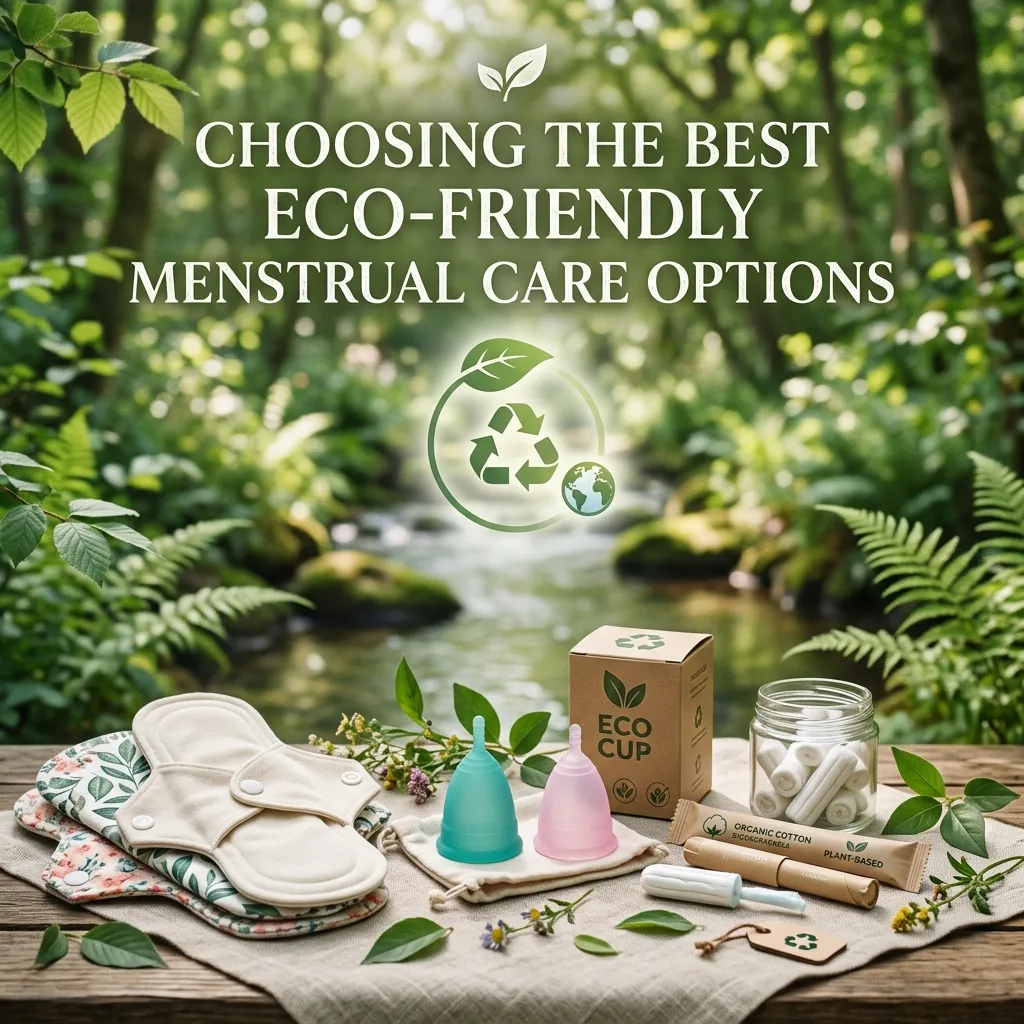
Considering Flow and Activity Level
Just like traditional products, environmentally friendly sanitary pads come in various sizes and absorbencies. If you have a heavy flow or lead an active lifestyle, look for environmentally friendly sanitary pads featuring bamboo cores for maximum absorption. You can also opt for night-time reusable pads with extra length and secure wings. For lighter days, organic cotton panty liners are a great breathable option.
Understanding Eco-Certifications
Certifications help verify that a brand’s claims about their environmentally friendly sanitary pads are genuine. The Global Organic Textile Standard (GOTS) ensures that the cotton used is organic and processed socially and environmentally responsibly. Oeko-Tex certification guarantees the product is free from harmful levels of toxic substances. Always look for these logos when purchasing environmentally friendly sanitary pads.
Reading Labels Carefully
Always review the ingredient list before purchasing. True environmentally friendly sanitary pads will disclose all materials used, from the top sheet to the adhesive backing. Beware of greenwashing, where products are marketed as natural but still contain significant amounts of hidden plastics. Ensure your environmentally friendly sanitary pads are genuinely plastic-free.
Budget and Long-Term Savings
Disposable environmentally friendly sanitary pads can sometimes cost slightly more upfront than conventional brands due to the higher cost of organic farming. However, reusable cloth pads require a larger initial purchase but eliminate the ongoing monthly expense of buying disposables. Evaluate your budget and consider the massive long-term financial benefits of investing in reusable environmentally friendly sanitary pads.
Dispelling Myths About Environmentally Friendly Sanitary Pad
Despite their incredible benefits, misconceptions about environmentally friendly sanitary pads sometimes prevent people from making the vital switch. Let us clear up some common misunderstandings.
Are They Actually Effective?
A common myth is that natural materials cannot prevent leaks as well as plastic. In reality, materials like bamboo used in environmentally friendly sanitary pad are incredibly absorbent. Environmentally friendly sanitary pad use innovative plant-based bioplastics to create waterproof backings that effectively stop leaks without using harmful petroleum plastics. You can trust environmentally friendly sanitary pad to protect your clothes.
Are They Truly Biodegradable?
While environmentally friendly sanitary pad are made from biodegradable materials, they require specific conditions to break down completely. Throwing them in a standard trash bin means they end up in an anaerobic landfill, where nothing degrades efficiently. For optimal environmental benefits, disposable environmentally friendly sanitary pads should be disposed of in a commercial composting facility if available.
Cost Versus Long-Term Value
Some consumers hesitate due to the perceived high price tag of environmentally friendly sanitary pad. While organic disposables carry a slight premium, the prices are becoming more competitive as demand increases. When considering reusable environmentally friendly sanitary pad, the return on investment is absolutely undeniable. Buying a stash of cloth pads once can replace hundreds of disposable pads over several years.
The Future of Environmentally Friendly Sanitary Pads
The landscape of menstrual care is changing rapidly. As technology advances and consumer demands shift, the future of environmentally friendly sanitary pads looks increasingly bright and green. Researchers are continuously exploring new sustainable materials to use in environmentally friendly sanitary pads. Innovations include utilizing agricultural waste, such as banana tree fibers and hemp, to create highly absorbent, low-impact fabrics. These materials require very little water to grow and offer excellent natural absorbency, promising even greener environmentally friendly sanitary pad in the near future.
Furthermore, governments and organizations are beginning to recognize the environmental impact of menstrual waste. Advocacy groups are pushing for stricter regulations on single-use plastics and demanding transparent ingredient labeling. Policy changes will play a huge role in mainstreaming environmentally friendly sanitary pad. Expanding global access to environmentally friendly sanitary pads is also a major goal, ensuring that sustainable period care is affordable and available to menstruators worldwide.
Conclusion
Switching to environmentally friendly sanitary pad is a powerful, highly impactful decision. It heavily protects our beautiful planet by drastically reducing plastic waste, lowering carbon emissions, and preventing toxic chemicals from entering the environment. Simultaneously, relying on environmentally friendly sanitary pads protects your personal human health by entirely eliminating daily exposure to harsh synthetic materials and artificial fragrances, providing a significantly more comfortable and highly breathable experience.
The transition to using environmentally friendly sanitary pad is remarkably easier today than it has ever been before. With high-performing organic disposables, extremely reliable cloth pads, and innovative modern period underwear, there is a perfect option to easily suit every single body type and personal lifestyle. Take the time today to carefully evaluate your current menstrual hygiene products and actively explore the many sustainable alternatives readily available. By proudly supporting ethical brands and happily embracing environmentally friendly sanitary pads, you actively participate in a massive global movement toward vital environmental preservation. Make the simple switch to environmentally friendly sanitary pad for your very next cycle, and truly experience the massive difference a natural product can make.
Frequently Asked Questions
What exactly are environmentally friendly sanitary pads?
Environmentally friendly sanitary pads are menstrual products made from sustainable, natural materials like organic cotton and bamboo. They do not contain harsh chemicals, artificial fragrances, or petroleum-based plastics. These pads are designed to minimize environmental impact and easily biodegrade after disposal.
Are environmentally friendly sanitary pads safe for sensitive skin?
Yes, environmentally friendly sanitary pads are incredibly safe and highly recommended for sensitive skin. They are made from breathable, natural fibers that prevent the trapping of heat and unwanted moisture. This drastically reduces the risk of painful rashes, irritation, and potential yeast infections.
Can environmentally friendly sanitary pads really prevent heavy leaks?
Absolutely, environmentally friendly sanitary pads are highly effective at preventing leaks. They utilize ultra-absorbent natural cores made from materials like bamboo and organic cotton weaves. Furthermore, they feature secure waterproof backings made from plant-based bioplastics to ensure complete protection.
How do I properly wash reusable environmentally friendly sanitary pads?
Washing reusable, environmentally friendly sanitary pad is a very simple and straightforward process. First, rinse the used pads thoroughly in cold water to prevent any blood stains from setting. Afterward, simply wash them in a standard washing machine with your regular laundry and let them air dry.
Are environmentally friendly sanitary pads more expensive than regular ones?
Disposable, environmentally friendly sanitary pads can cost slightly more upfront due to ethical organic farming practices. However, as global demand increases, the prices are becoming much more competitive. Reusable cloth pads save you a significant amount of money in the long run.
How long does it take for biodegradable pads to decompose?
If placed in a proper commercial composting facility, disposable, environmentally friendly sanitary pad can decompose in six months. However, if they are thrown into a standard, oxygen-deprived landfill, the process will take significantly longer. Regardless, they still degrade much faster than traditional plastic pads.
Do environmentally friendly sanitary pads have a strange smell?
No, true environmentally friendly sanitary pad do not have any strange or strong chemical smells. They completely avoid using the harsh artificial fragrances and synthetic perfumes found in conventional period products. They allow your body to naturally breathe, which significantly reduces unwanted natural odors.
Where can I buy high-quality, environmentally friendly sanitary pad?
You can easily find environmentally friendly sanitary pads at most local health food stores and major organic supermarkets. Many popular pharmacies and large retail chains have also started stocking these sustainable alternatives in their hygiene aisles. Additionally, countless specialized ethical brands sell them directly online.
Can teenagers use environmentally friendly sanitary pad comfortably?
Yes, environmentally friendly sanitary pads are absolutely perfect and highly recommended for young teenagers. They are incredibly soft, free from hormone-disrupting chemicals, and come in various smaller sizes for complete comfort. Starting teens on eco-friendly products builds excellent lifelong sustainable habits.
Why should I choose bamboo over cotton for my sanitary pads?
Bamboo is a fantastic choice for environmentally friendly sanitary pad because it is incredibly highly absorbent and naturally porous. It grows incredibly fast with very little water and naturally repels pests without the need for harmful toxic pesticides. Bamboo also feels exceptionally soft against the skin, maximizing comfort.
