


World Environment Day promotes global action through world environment day eco-friendly activities like tree plantation, recycling, clean-ups, and sustainable living. These practices reduce pollution, conserve resources, and encourage individuals, communities, and businesses to protect the planet daily.
Every year on June 5th, millions of people across the globe pause to reflect on the state of our planet. World Environment Day serves as a powerful reminder that the Earth is our only home, and its health directly impacts our own well-being. Initiated by the United Nations, this annual event encourages worldwide awareness and action for the protection of our environment. It provides a unique opportunity to evaluate our daily habits, understand our ecological footprint, and commit to practices that preserve natural resources for future generations. Engaging in World Environment Day eco-friendly activities allows us to make a tangible difference.
The history of World Environment Day dates back to 1972, marking the first day of the landmark United Nations Conference on the Human Environment in Stockholm. This conference was a turning point in the development of international environmental politics. Since its inception, the day has grown into a massive global platform for public outreach, celebrated by millions of people in over 100 countries. Each year features a specific theme and a host country, focusing the world’s attention on pressing issues like marine pollution, human overpopulation, global warming, sustainable consumption, and wildlife crime.
Understanding World Environment Day eco-friendly activities is the first step toward meaningful participation. These activities minimize harm to the ecosystem, reduce pollution, and conserve natural resources. The benefits are twofold. For the planet, these practices help maintain biodiversity, stabilize the climate, and ensure clean air and water. For individuals, adopting an eco-friendly lifestyle often leads to improved physical health, financial savings through reduced energy consumption, and a deeper sense of connection to the natural world. Taking part in World Environment Day eco-friendly activities is an excellent way to transition from awareness to action.
Transforming Your Home into an Eco-Haven
The journey toward environmental stewardship often begins right at your front door. By making conscious adjustments to how a household operates, families can drastically reduce their collective environmental impact through dedicated World Environment Day eco-friendly activities.

Advanced Energy Conservation Tips
Reducing energy consumption is one of the most effective ways to lower your carbon footprint. Start by unplugging electronic devices when they are not in use. Many appliances draw phantom power even when turned off, which slowly drains energy and increases utility bills. You can manage this efficiently by using smart power strips that cut off electricity to devices automatically. Transitioning to LED light bulbs is another simple yet highly impactful switch. LEDs consume a fraction of the electricity used by traditional incandescent bulbs and last significantly longer, reducing both energy demand and waste.
- Install programmable thermostats to regulate heating and cooling.
- Seal windows and doors to prevent drafts and maintain indoor temperatures.
- Wash clothes in cold water to save the energy used for heating water.
- Utilize natural sunlight during the day instead of flipping on switches.
Water-Saving Techniques for Every Room
Freshwater is a finite resource, and conserving it is crucial for a sustainable future. Implementing water-saving techniques can be as simple as fixing leaky faucets or taking shorter showers. For a more robust approach, consider setting up a rainwater harvesting system. Collecting rainwater in barrels allows you to water your garden or wash your car without tapping into the municipal water supply. Installing low-flow showerheads and dual-flush toilets can drastically cut down indoor water usage without sacrificing water pressure or convenience. Incorporating these habits forms a strong foundation for your World Environment Day eco-friendly activities.
Waste Reduction and Composting Strategies
Managing household waste prevents excess materials from ending up in landfills, where they produce harmful greenhouse gases. Composting organic waste turns potential garbage into nutrient-rich soil for your garden. You can compost fruit peels, coffee grounds, eggshells, and vegetable scraps easily in a backyard bin. Recycling awareness is critical here; always separate your paper, glass, and appropriate plastics to keep usable materials in circulation.
Furthermore, upcycling challenges you to find creative new uses for old items. An old ladder can become a rustic bookshelf, and glass jars can serve as pantry storage containers. Practicing strict waste reduction is among the most rewarding World Environment Day eco-friendly activities you can adopt at home.
Transitioning to Sustainable Living Practices
Choosing sustainable products makes a big difference in indoor air quality and environmental health. Swap out harsh chemical cleaners for eco-friendly cleaning products made from natural ingredients like white vinegar, baking soda, and essential oils. These alternatives clean effectively without releasing toxins into the local water supply. Embracing minimalism is another excellent strategy. By buying only what you truly need, you reduce demand for the manufacturing, packaging, and shipping of consumer goods. Promoting these World Environment Day eco-friendly activities in your household sets a standard for mindful consumption.
Engaging the Community for Environmental Action
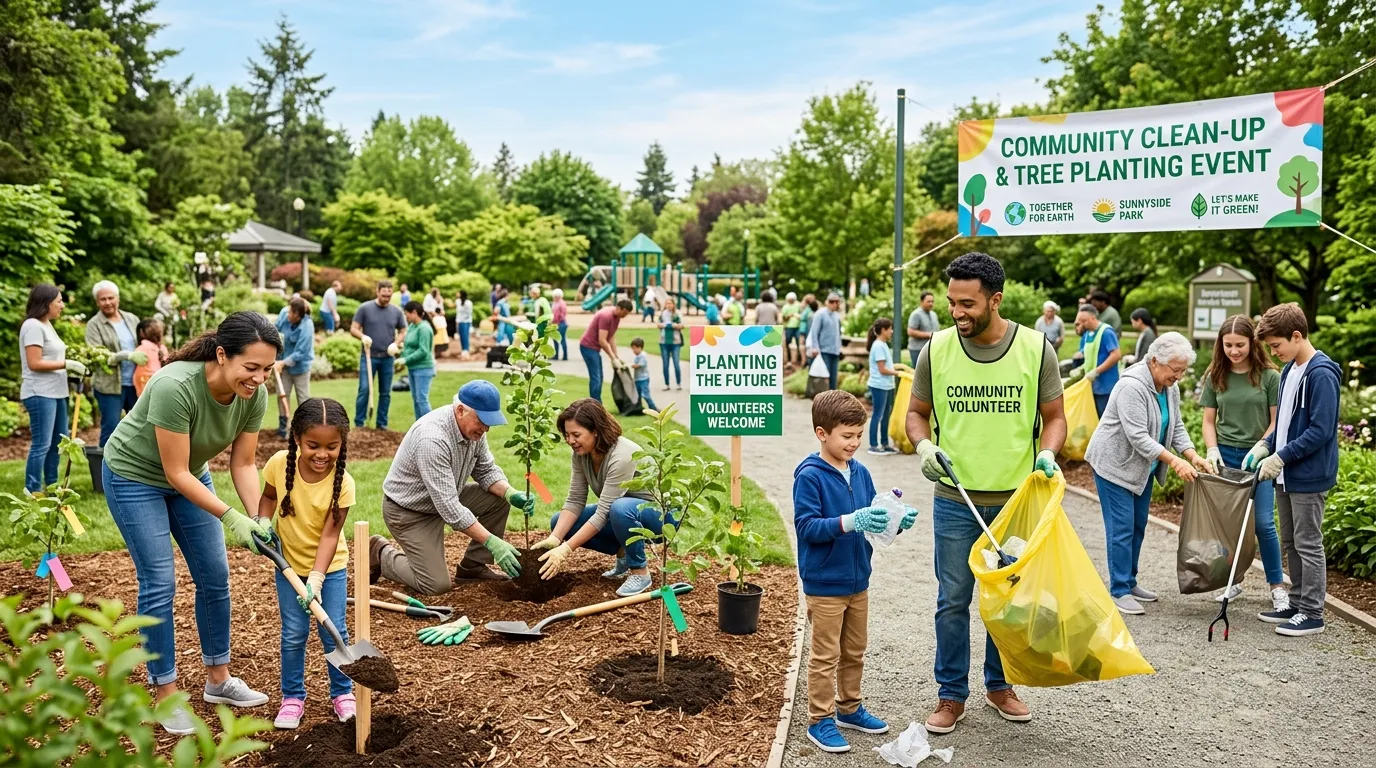
Individual actions gain momentum when they are shared. Engaging your local community magnifies the impact of your efforts and fosters a culture of environmental responsibility. Community-based World Environment Day eco-friendly activities create lasting local change.
When neighbors, schools, and local organizations come together, even small efforts turn into powerful collective action. This unity not only improves the environment but also strengthens community bonds and awareness for future generations.
Organizing a Neighborhood Clean-Up Drive
Litter degrades the natural beauty of community spaces and poses severe threats to local wildlife. Organizing a local clean-up drive at a nearby park, beach, or neighborhood street is an excellent way to make an immediate, visible difference. Gather a group of neighbors, provide reusable gloves and biodegradable trash bags, and spend a few hours clearing debris. These events beautify the area, build community solidarity, and raise recycling awareness regarding improper waste disposal. A well-planned clean-up drive represents the core spirit of World Environment Day eco-friendly activities.
Championing a Plastic-Free Campaign
Single-use plastics clog our waterways, harm wildlife, and degrade into harmful microplastics. Launching a local plastic-free campaign encourages businesses and residents to reject plastic bags, straws, and packaging. You can organize town hall meetings to discuss alternatives and petition local grocery stores to offer paper or reusable options.
Read about how the Barangay Potrero community fights against plastic pollution to gain inspiration for your own neighborhood initiatives.
Implementing a plastic-free campaign is a vital part of effective World Environment Day eco-friendly activities.
Promoting Urban Farming and Tree Plantation
Community gardens transform vacant lots into vibrant green spaces. These initiatives provide local residents with access to fresh, organic produce while reducing the carbon emissions associated with transporting food over long distances. Urban farming improves soil quality, increases local biodiversity, and serves as an educational hub. Additionally, organizing a tree plantation event significantly benefits the local ecosystem. Trees provide oxygen, improve air quality, conserve water, preserve soil, and support wildlife. Integrating tree planting into your World Environment Day eco-friendly activities ensures long-term ecological benefits for your neighborhood.
Advocating for Local Environmental Policies
Systemic change requires strong, enforceable policies. Participate in local government meetings to advocate for better public recycling programs, the protection of local green spaces, or the installation of renewable energy infrastructure. Awareness campaigns, town hall discussions, and petition drives push environmental issues to the forefront of the local political agenda. Ensuring that municipal leaders prioritize sustainability in their decision-making processes is one of the most impactful World Environment Day eco-friendly activities available to citizens.
Fostering a Green Workplace
Since many adults spend a significant portion of their waking hours at work, implementing green initiatives in the office yields massive environmental benefits. Workplace World Environment Day eco-friendly activities can shift corporate cultures entirely.
Boosting Recycling Awareness at Work
A surprising amount of waste is generated in typical office settings, from discarded paper documents to single-use coffee cups. Establishing a clear, accessible recycling program helps divert this waste from landfills. Provide clearly labeled bins for paper, plastics, and compostables in break rooms and near desks. Boost recycling awareness by hosting brief training sessions for employees on how to properly sort their waste. Encourage the use of reusable mugs and water bottles, and consider working with suppliers who take back packaging for reuse.
Energy Efficiency and Green Commuting
Office buildings are notoriously energy-intensive. Simple policies, such as ensuring computers and lights are turned off at the end of the day, save significant amounts of electricity. Adjusting the thermostat by just a few degrees also lowers heating and cooling demands. Employers can further reduce their carbon footprint by incentivizing sustainable commuting. Offering subsidies for public transit passes, installing secure bike racks, or allowing telecommuting a few days a week drastically cuts down on vehicle emissions.
Transitioning to Digital Documentation
The reliance on physical paper is largely outdated in the digital era. Transitioning to digital documentation reduces deforestation and saves physical office storage space. Use cloud-based collaboration tools for document sharing, invoicing, and editing. When printing is absolutely necessary, set printers to default to double-sided printing and use high-percentage recycled paper. Digital transformation is a seamless way to incorporate World Environment Day eco-friendly activities into standard business operations.
Establishing Green Office Teams
To ensure these practices stick, create a dedicated green team within the workplace. This committee can monitor energy usage, organize annual World Environment Day eco-friendly activities for the staff, and brainstorm new ways to reduce the company’s ecological footprint.
Personal Habits for a Sustainable Future

True sustainability involves a continuous commitment to analyzing and adjusting your personal habits. Small, daily choices accumulate over a lifetime to create a profound environmental impact. Integrating World Environment Day eco-friendly activities into your daily routine is essential.
Overhauling Your Dietary Choices
The agricultural sector, particularly meat and dairy production, is a leading driver of deforestation, water usage, and greenhouse gas emissions. You do not need to become a strict vegan to make a difference. Participating in meatless days or gradually swapping out animal proteins for plant-based alternatives like lentils, beans, and tofu significantly lowers your dietary carbon footprint. Supporting local farmers markets also reduces the emissions tied to food transportation.
Embracing Sustainable Fashion
The fast fashion industry generates enormous amounts of textile waste and frequently relies on exploitative practices. Combat this by investing in sustainable fashion as part of your World Environment Day eco-friendly activities. Look for garments made from organic or recycled materials, and support brands transparent about their supply chains. Buying second-hand clothing from thrift stores or participating in clothing swaps extends the lifecycle of garments and reduces demand for new resource extraction.
Responsible Travel and Eco-Tourism
Travel broadens the mind but carries a heavy environmental cost. When planning vacations, seek out eco-tourism opportunities. Choose accommodations that utilize renewable energy and practice water conservation. Respect local wildlife and ecosystems by staying on marked trails and avoiding attractions that exploit animals. Opting for direct flights or traveling by train instead of flying minimizes the carbon emissions associated with your journey.
Evaluating Eco-Friendly Practices
To help you prioritize your World Environment Day eco-friendly activities, reference the comparison table below. It outlines the impact and effort required for various initiatives.
|
Activity |
Environmental Impact |
Personal Effort Required |
Key Benefit |
|---|---|---|---|
|
Tree Plantation |
High |
Medium |
Sequesters carbon, improves local air quality |
|
Clean-Up Drive |
Medium |
Medium |
Protects local wildlife, beautifies community |
|
Plastic-Free Campaign |
High |
High |
Reduces landfill waste and ocean pollution |
|
Recycling Awareness |
Medium |
Low |
Conserves resources, reduces manufacturing energy |
|
Digital Documentation |
Low to Medium |
Low |
Saves trees, reduces corporate physical waste |
The true spirit of World Environment Day extends far beyond a single date on the calendar. It acts as a catalyst for permanent change. When we commit to these World Environment Day eco-friendly activities continuously, we transform the observance of one day into a lifelong dedication. Make every day an opportunity to protect our planet, and together, we can ensure that the Earth remains a vibrant, thriving home for all its inhabitants.
Frequently Asked Questions
What are the most effective World Environment Day eco-friendly activities for beginners?
Starting with simple habits like turning off lights, fixing leaks, and carrying a reusable water bottle makes a big difference. You can also participate in a local clean-up drive to see an immediate impact. These small steps build the foundation for a lifelong sustainable lifestyle.
How does tree plantation help the environment locally?
Planting trees provides essential shade, lowers local air temperatures, and significantly improves air quality by filtering pollutants. It also creates vital habitats for local birds and insects, promoting regional biodiversity. Community tree planting events are excellent World Environment Day eco-friendly activities.
How can I start a plastic-free campaign in my neighborhood?
Begin by educating your neighbors about the harmful effects of single-use plastics through social media or community meetings. Partner with local cafes and shops to offer discounts to customers who bring reusable bags and cups. Consistent local pressure eventually shifts broader consumer habits.
What is the best way to promote recycling awareness at home?
Create a highly visible, clearly labeled sorting station in your kitchen for glass, paper, plastics, and compost. Educate your family members on exactly what your local municipal recycling facility accepts. Removing the confusion from the process dramatically increases recycling compliance.
Why is reducing meat consumption considered an eco-friendly activity?
The meat industry requires vast amounts of land and water, and it produces significant greenhouse gas emissions like methane. By replacing even a few meat-heavy meals a week with plant-based alternatives, you directly reduce the demand on these resource-intensive agricultural systems. This dietary shift strongly supports World Environment Day eco-friendly activities.
How do I ensure my cleaning supplies are environmentally safe?
Always read labels carefully and avoid products containing harsh synthetic chemicals, phosphates, or artificial fragrances.
For a complete breakdown of safe alternatives, consult this guide to organic household products to make informed purchasing decisions.
Making your own cleaners with vinegar and baking soda is also highly effective.
What role do businesses play in World Environment Day eco-friendly activities?
Businesses have a massive environmental footprint, meaning their adoption of green policies creates large-scale positive impacts. By committing to renewable energy, reducing packaging waste, and promoting a green supply chain, corporations drive significant systemic change. Consumer demand often forces this corporate accountability.
How can a clean-up drive impact ocean pollution?
Much of the plastic and litter found on city streets eventually washes into storm drains, rivers, and ultimately the ocean. By removing trash from local neighborhoods and parks, a clean-up drive prevents this debris from ever reaching marine ecosystems. It is a critical preventative measure.
Is sustainable fashion actually better for the environment?
Yes, sustainable fashion utilizes materials like organic cotton or recycled polyester, which require far less water and fewer chemicals to produce. Additionally, ethical brands focus on creating durable garments meant to last years rather than a single season. This dramatically reduces the amount of textile waste entering landfills.
How can I make my daily commute more eco-friendly?
Using public transportation, carpooling with colleagues, or biking to work significantly reduces your personal carbon emissions. If driving is unavoidable, maintaining proper tire pressure and observing speed limits improves fuel efficiency. Advocating for remote work days is also a highly effective strategy.
