

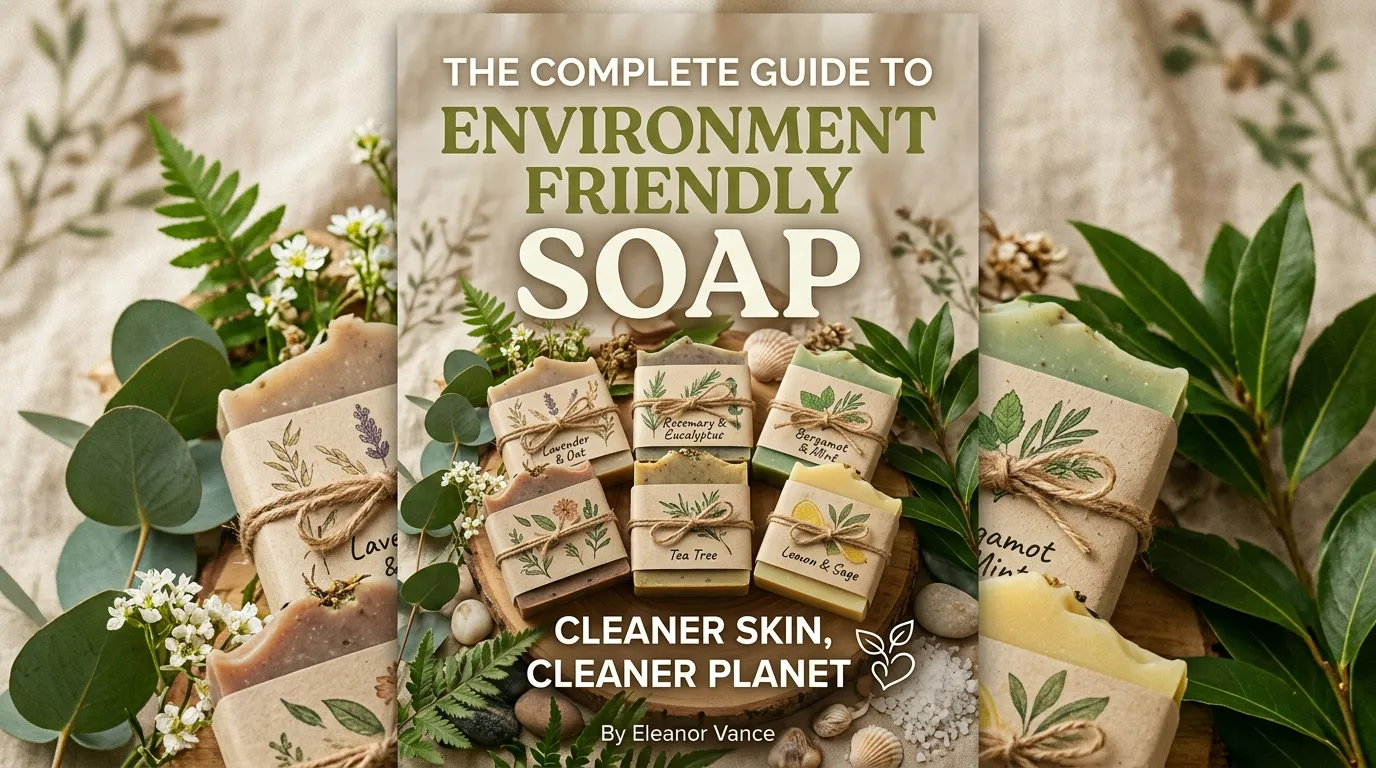
Switching to environment friendly soap supports healthier skin and a healthier planet. This guide explains eco-friendly ingredients, biodegradable formulas, sustainable packaging, ethical sourcing, and practical tips for choosing, using, and maintaining greener skincare products.
Switching to an environment friendly soap is one of the simplest changes you can make for both your skin and the world around you. Every time you lather up, your choices ripple outward, touching water systems, packaging waste, and even the lives of farm workers who grow the ingredients. The good news? You don’t have to sacrifice quality, scent, or performance to make a better choice. Today’s eco-conscious cleansers feel luxurious, smell wonderful, and treat your skin with care.
This guide walks you through everything you need to know about choosing, using, and loving an environment friendly soap. We’ll explore what makes a soap truly green, how to read labels with confidence, and why the small bar sitting in your shower can make a surprisingly big difference.
What Does “Environment Friendly Soap” Actually Mean?
The term gets used a lot, but not every product that claims to be green earns the title. An environment friendly soap is made with ingredients and processes that limit harm to people and the planet. That means looking at the whole journey of the product, from how the raw materials are grown to what happens when the soap washes down your drain.
A genuinely eco-conscious cleanser usually checks several boxes. It uses plant-based or naturally derived ingredients. It breaks down safely after use. It comes in packaging that creates little or no waste. And it’s produced in ways that respect both workers and ecosystems.
Many people assume that any bar labeled “natural” automatically helps the environment. That’s not always true. A product can contain natural extracts while still relying on harsh surfactants, synthetic fragrances, or wasteful packaging. The full picture matters far more than a single buzzword on the front of the box.
The Core Qualities of a Truly Green Cleanser
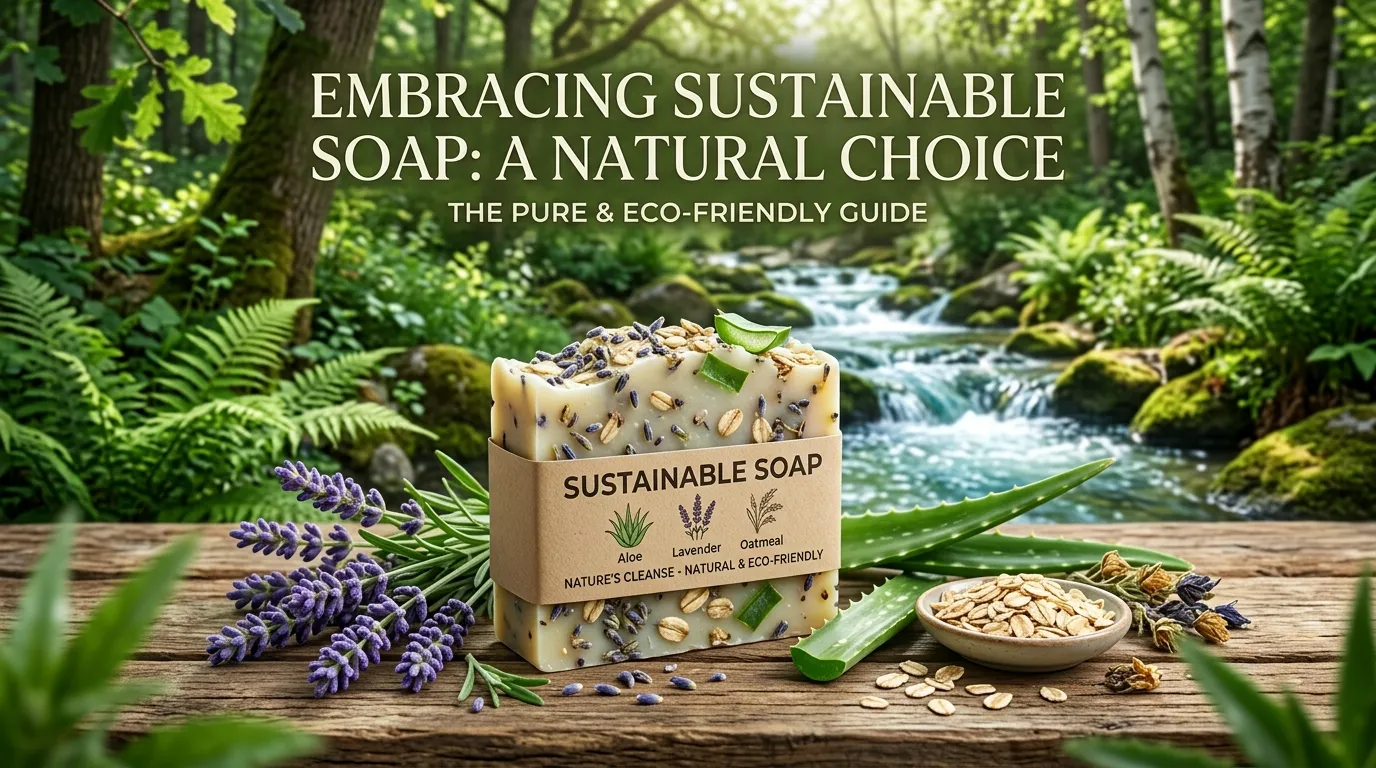
When you evaluate a product, focus on these foundational traits:
- Plant-derived ingredients that come from renewable sources
- Biodegradable formulas that break down without polluting waterways
- Minimal or recyclable packaging that reduces landfill waste
- No harmful chemicals like parabens, sulfates, or synthetic dyes
- Ethical sourcing that supports fair labor and responsible farming
- Cruelty-free testing that protects animals from harm
When a soap meets most or all of these standards, you can feel confident that you’re holding a true environment friendly soap rather than a cleverly marketed lookalike.
Why Conventional Soap Can Harm the Planet
To understand the value of greener options, it helps to know what’s wrong with many mass-produced bars and liquids. Traditional soaps often contain ingredients and packaging that quietly add to pollution, waste, and resource depletion.
The Hidden Chemical Cost
Many standard cleansers rely on petroleum-based ingredients. These materials come from non-renewable sources and require energy-intensive processing. Some include synthetic fragrances and preservatives that can irritate sensitive skin and linger in the environment long after they leave your home.
Sulfates, for example, create that rich foamy lather many of us love. Yet some of these compounds can strip the skin and disrupt aquatic life when they enter rivers and oceans. Triclosan, once common in antibacterial products, has been linked to water contamination and concerns about resistant bacteria.
Packaging Waste That Never Disappears
Plastic packaging is another major problem. Bottles, pumps, and wrappers pile up in landfills and oceans, taking centuries to break down. A single household can go through dozens of plastic soap containers each year. Multiply that across millions of homes, and the scale of the waste becomes staggering.
Water Pollution and Marine Life
What goes down your drain doesn’t simply vanish. Many soap ingredients travel through wastewater systems and eventually reach natural water bodies. Non-biodegradable compounds can build up over time, harming fish, plants, and the delicate balance of aquatic ecosystems. Choosing a Biodegradable Soap helps reduce this lasting impact.
The Real Benefits of Switching to Eco Friendly Soap
Making the switch to a greener cleanser brings rewards that go beyond a clear conscience. Your skin, your home, and the planet all gain something valuable.
Gentler on Your Skin
Natural Soap tends to be milder than its conventional counterparts. Without harsh detergents and synthetic additives, these products clean effectively while preserving your skin’s natural moisture barrier. People with sensitive skin, eczema, or allergies often notice fewer flare-ups after switching.
Ingredients like shea butter, coconut oil, olive oil, and aloe vera nourish as they cleanse. Instead of leaving your skin tight and dry, a quality environment friendly soap can leave it soft, balanced, and comfortable.
Better for the Environment
The environmental upside is significant. When you choose a Biodegradable Soap, the ingredients break down naturally and harmlessly after use. Reduced plastic packaging means less waste headed for landfills. Sustainable sourcing supports farming practices that protect soil, water, and biodiversity.
Supporting Ethical Brands
Buying eco-conscious products often means supporting companies that value transparency and fairness. Many green soap makers pay fair wages, source responsibly, and reinvest in their communities. Your purchase becomes a small vote for the kind of world you want to see.
A Cleaner Routine Overall
Embracing Sustainable Skincare encourages a more thoughtful approach to your entire routine. Once you start choosing better soap, you may find yourself rethinking shampoo, lotion, and other products too. Small swaps add up to meaningful change over time.
Key Ingredients to Look For in Natural Soap
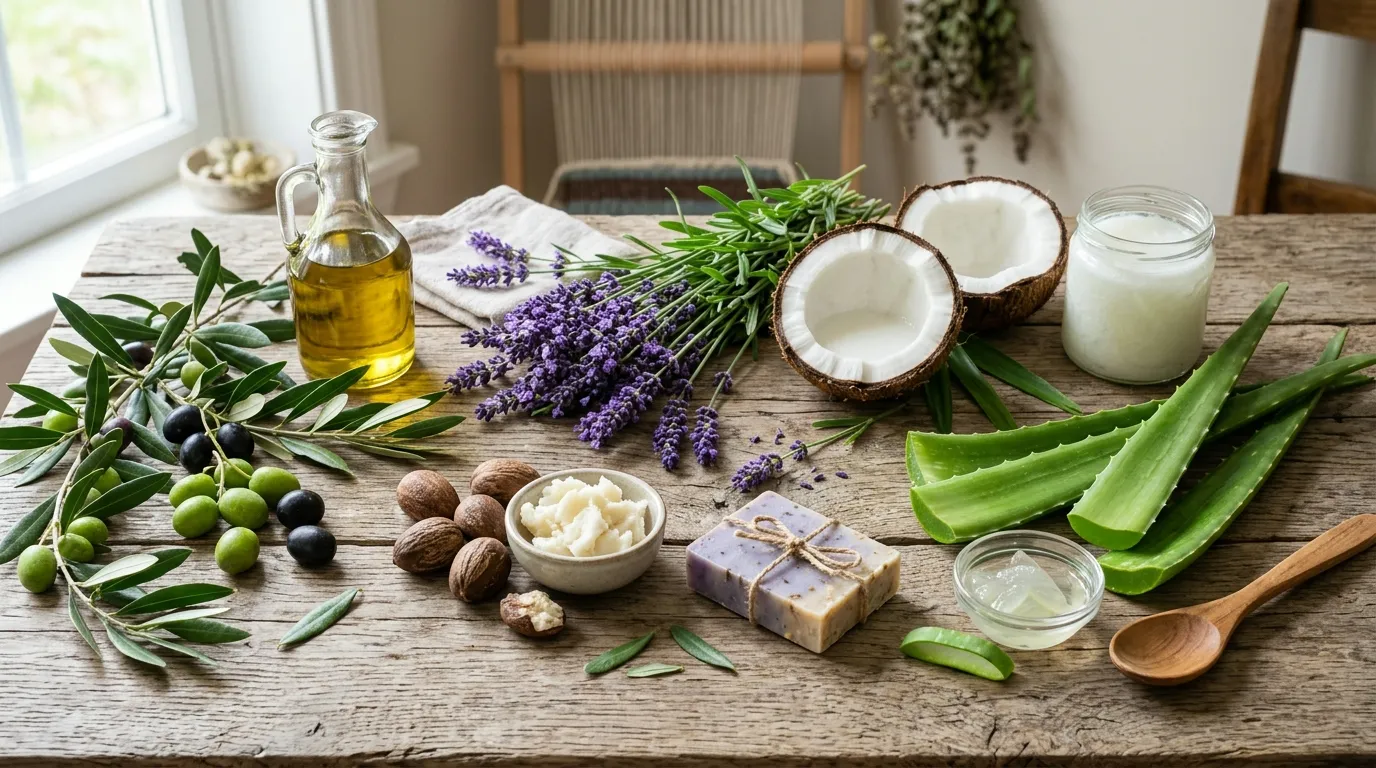
Reading an ingredient list can feel overwhelming, especially when half the words seem impossible to pronounce. The trick is knowing which ingredients signal quality and which ones to avoid.
Beneficial Plant-Based Oils
The foundation of any good Natural Soap is its oils. These provide cleansing power and skin nourishment in one. Look for:
- Coconut oil for rich lather and deep cleansing
- Olive oil for gentle, moisturizing care
- Shea butter for softness and hydration
- Jojoba oil for balancing oil production
- Castor oil for stable, creamy foam
Natural Additives and Botanicals
Beyond the base oils, many quality soaps include botanical ingredients that offer extra benefits:
- Essential oils for natural scent and aromatherapy
- Oatmeal for soothing irritated skin
- Activated charcoal for drawing out impurities
- Clay for gentle exfoliation and detoxifying
- Honey for its natural antibacterial properties
Ingredients Worth Avoiding
Just as important is knowing what to skip. Steer clear of products that list:
- Sulfates (SLS and SLES) that can strip and irritate
- Parabens used as synthetic preservatives
- Synthetic fragrances that may trigger allergies
- Artificial dyes with no skin benefit
- Triclosan and other antibacterial agents linked to pollution
How an Environment Friendly Soap Is Made
Understanding the production process helps you appreciate why these products cost a little more and deliver so much value. Most green soaps are made through one of two traditional methods.
The Cold Process Method
Cold process soapmaking combines oils with lye in a careful chemical reaction called saponification. This method preserves the natural glycerin, a humectant that draws moisture to your skin. Because it uses little heat, it retains more of the beneficial properties of the oils and botanicals.
Cold process soaps cure for several weeks, allowing excess water to evaporate and the bar to harden. The result is a long-lasting, gentle product that feels wonderful on the skin.
The Hot Process Method
Hot process soapmaking speeds up saponification by adding heat. This produces a finished bar more quickly, though the texture tends to be more rustic. Both methods can create excellent Natural Soap, and the choice often comes down to the maker’s preference and style.
Why Small-Batch Matters
Many environment friendly soap makers work in small batches. This careful approach allows for tighter quality control, fresher ingredients, and less waste. Small-batch production also tends to support local economies and reduce the carbon footprint associated with mass manufacturing and long-distance shipping.
Comparing Conventional Soap and Environment Friendly Soap
Sometimes the clearest way to understand the differences is to see them side by side. The table below breaks down how a typical conventional product stacks up against a quality green alternative.
|
Feature |
Conventional Soap |
Environment Friendly Soap |
|---|---|---|
|
Main ingredients |
Petroleum-based, synthetic |
Plant-based, natural |
|
Lather agents |
Sulfates and detergents |
Natural oils and butters |
|
Biodegradability |
Often poor |
Fully biodegradable |
|
Packaging |
Plastic bottles or wrap |
Minimal, recyclable, or none |
|
Skin impact |
Can dry and irritate |
Gentle and moisturizing |
|
Fragrance source |
Synthetic perfumes |
Essential oils |
|
Animal testing |
Sometimes tested |
Cruelty-free |
|
Environmental cost |
High |
Low |
|
Glycerin content |
Often removed |
Naturally retained |
|
Price point |
Lower upfront |
Slightly higher, better value |
As the comparison shows, the upfront savings of conventional products often hide higher long-term costs for your skin and the planet. A Biodegradable Soap delivers value that goes well beyond the price tag.
Understanding Sustainable Skincare as a Bigger Picture
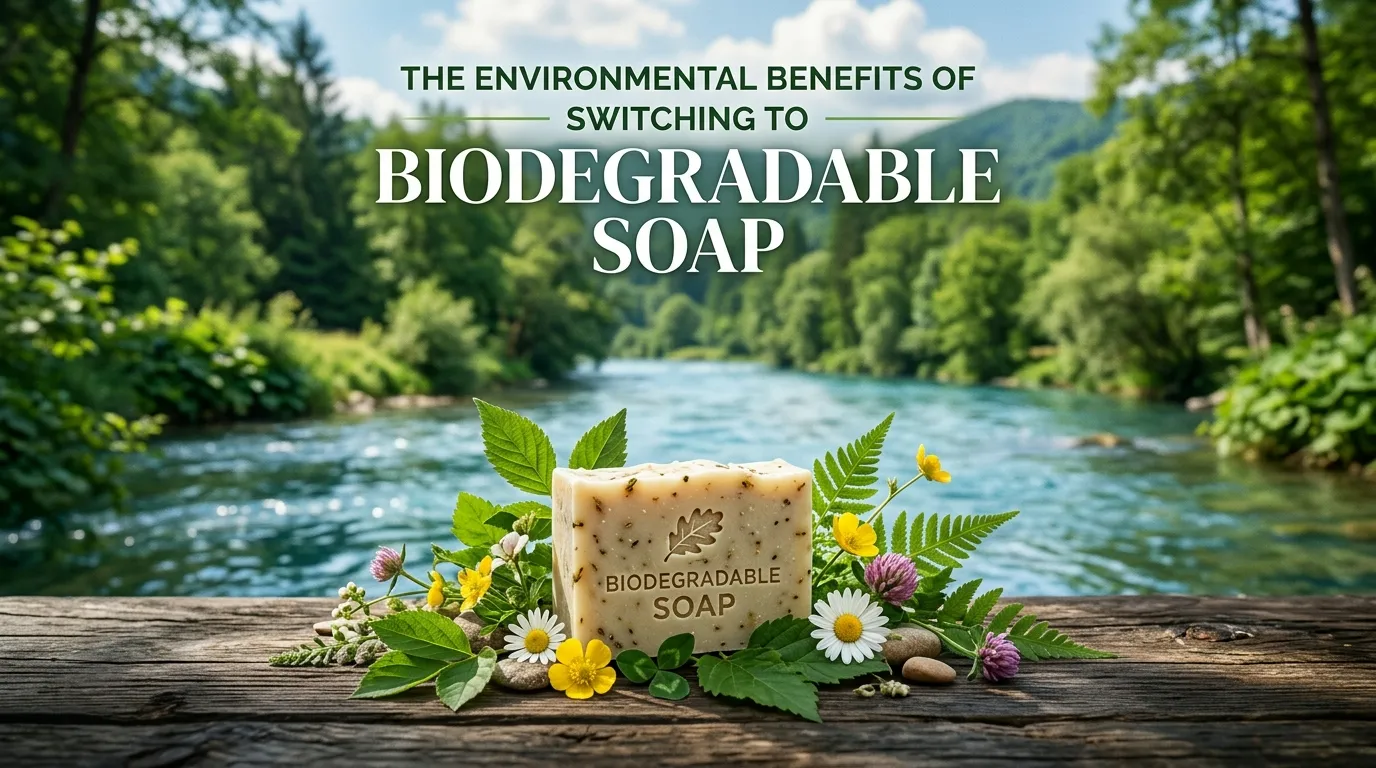
Choosing an environment friendly soap is just one piece of a larger lifestyle shift. Sustainable Skincare is about making mindful choices across your entire personal care routine. It considers the full life cycle of every product you use, from creation to disposal.
When you embrace this mindset, you start asking better questions. Where did these ingredients come from? How was this product packaged? What happens after I use it? These questions guide you toward choices that protect both your health and the environment.
Sustainable Skincare also means using what you have wisely. Finishing products before buying new ones, choosing multi-purpose items, and avoiding impulse purchases all reduce waste. It’s a holistic approach that values quality and intention over quantity and convenience.
Learn More About Sustainability in Skincare
If you want to dive deeper into the philosophy behind eco-conscious beauty, this resource offers a thoughtful starting point.
Sustainability in skincare explained.It connects the dots between daily habits and lasting impact. You’ll come away with fresh ideas for your own routine.
How to Choose the Right Environment Friendly Soap for Your Skin
Not every green soap suits every skin type. Choosing the right one means matching the formula to your individual needs. Here’s how to find your perfect match.
For Dry Skin
If your skin tends to feel tight or flaky, look for soaps rich in moisturizing oils and butters. Shea butter, olive oil, and avocado oil all provide deep hydration. Avoid products with high coconut oil content, since it can be slightly drying for some people when used in large amounts.
For Oily or Acne-Prone Skin
Those with oily skin benefit from soaps containing tea tree oil, activated charcoal, or clay. These ingredients help control excess oil and draw out impurities without over-stripping. A balanced Natural Soap keeps oil in check while maintaining hydration.
For Sensitive Skin
Sensitive skin needs the gentlest possible formula. Fragrance-free or lightly scented options work best. Look for soothing ingredients like oatmeal, calendula, and aloe vera. Always patch test a new product before using it widely.
For Normal or Combination Skin
If your skin is generally balanced, you have the most flexibility. A well-rounded environment friendly soap with a mix of nourishing oils and gentle botanicals will keep your skin happy and healthy.
Tips for Reading Labels Confidently
- Check for a short, recognizable ingredient list
- Look for certifications like cruelty-free or organic
- Avoid vague terms like “fragrance” without details
- Prioritize recyclable or plastic-free packaging
- Research the brand’s sustainability commitments
The Role of Packaging in Eco Friendly Soap
Packaging deserves special attention because it represents a huge portion of the waste problem. Even the greenest formula loses some of its value if it comes wrapped in unnecessary plastic.
Plastic-Free Options
The best environment friendly soap brands minimize or eliminate plastic entirely. Bar soaps often come in simple paper wrappers, cardboard boxes, or no packaging at all. These materials break down quickly and create far less waste than plastic bottles.
Refillable and Reusable Systems
Some companies offer refill programs for liquid soaps. You buy a durable container once, then refill it with concentrate or bulk product. This approach dramatically reduces packaging waste over time and often saves money too.
Compostable Materials
Innovative brands now use compostable packaging made from plant materials. These containers break down completely in composting conditions, leaving no harmful residue behind. As technology improves, expect to see more of these earth-friendly options on store shelves.
Making the Switch: A Practical Transition Guide
Changing your routine doesn’t have to happen overnight. A gradual transition feels manageable and helps you find products you genuinely love.
Start With One Product
Begin by replacing your everyday hand or body soap with a quality environment friendly soap. This single swap is easy and lets you experience the difference without overwhelming change.
Use Up What You Have
There’s no need to throw away products you already own. Finish them first to avoid waste, then replace them with greener options as you go. This thoughtful approach aligns perfectly with Sustainable Skincare principles.
Build Your Routine Gradually
Once you’re comfortable with one product, expand to others. Add a facial cleanser, then perhaps a shampoo bar or natural lotion. Over time, your entire routine becomes cleaner and greener without the stress of a sudden overhaul.
Track What Works
Keep notes on which products feel best for your skin. Everyone’s needs differ, so a little experimentation helps you build a routine that truly suits you. The goal is a collection of Biodegradable Soap options and other items you’ll happily use again and again.
Common Myths About Environment Friendly Soap
Misconceptions keep some people from making the switch. Let’s clear up a few of the most common myths.
Myth: Green Soap Doesn’t Clean Well
Many people believe natural products don’t clean as effectively as conventional ones. The truth is that a well-made Natural Soap cleans beautifully. The plant oils and gentle surfactants remove dirt and oil without harsh chemicals.
Myth: Eco Friendly Soap Is Always Expensive
While some premium products cost more, plenty of affordable options exist. Bar soaps in particular tend to last longer than liquid versions, making them a smart value over time. When you factor in the benefits, the price often pays for itself.
Myth: Natural Means No Lather
Some assume green soaps won’t produce satisfying suds. Thanks to ingredients like coconut and castor oil, many environment friendly soap options create rich, luxurious lather that rivals any conventional product.
Myth: All Natural Soaps Are the Same
Quality varies widely among green products. Reading labels, researching brands, and testing products helps you find the gems among the many choices available.
The Future of Environment Friendly Soap
The world of eco-conscious cleansing keeps evolving. Innovation drives new ingredients, smarter packaging, and more accessible products every year.
Waterless Formulas
Concentrated and waterless soaps are gaining popularity. By removing water from the formula, these products reduce shipping weight and packaging. You simply add water at home, cutting waste and saving resources.
Upcycled Ingredients
Some brands now use upcycled ingredients, turning food industry byproducts into valuable soap components. This creative approach reduces waste and gives new life to materials that might otherwise be discarded.
Greater Transparency
Consumers increasingly demand honesty about ingredients and sourcing. In response, brands are sharing more details than ever before. This transparency makes it easier for you to choose a true environment friendly soap with confidence.
Wider Availability
What was once a niche product now appears on mainstream store shelves. As demand grows, prices drop and options expand. This makes Sustainable Skincare accessible to more people than ever before.
Caring for Your Environment Friendly Soap
To get the most from your green soap, a little care goes a long way. Proper storage extends the life of your bars and keeps them performing their best.
Keep Bars Dry Between Uses
Bar soaps last longer when they dry out completely between uses. Use a draining soap dish that allows air to circulate. Avoid leaving bars sitting in standing water, which causes them to dissolve faster.
Store in a Cool, Dry Place
Heat and humidity can shorten the life of natural products. Store extra bars in a cool, dry spot away from direct sunlight. This preserves the scent and quality of your Biodegradable Soap.
Cut Larger Bars
If you buy a large bar, consider cutting it into smaller pieces. Use one piece at a time while the rest stay dry and fresh. This simple trick can significantly extend the life of your purchase.
Frequently Asked Questions
What makes a soap truly environment friendly?
A truly environment friendly soap uses plant-based ingredients, breaks down naturally after use, and comes in minimal or recyclable packaging. It avoids harsh chemicals like sulfates and parabens. The brand should also follow ethical sourcing and cruelty-free practices. The whole life cycle matters, not just one marketing claim on the label.
Is eco friendly soap better for sensitive skin?
Yes, in most cases an Eco Friendly Soap suits sensitive skin well. These products skip the harsh detergents and synthetic fragrances that often trigger irritation. Instead, they rely on gentle plant oils and soothing botanicals. Always patch test a new product first to confirm it works for your individual skin.
Does natural soap clean as well as regular soap?
Absolutely. A quality Natural Soap cleans just as effectively as conventional options. The plant-based oils and natural surfactants remove dirt, oil, and bacteria without stripping your skin. Many people find their skin feels cleaner and more comfortable after switching to natural alternatives.
What does biodegradable soap actually mean?
A Biodegradable Soap is made from ingredients that break down naturally and harmlessly in the environment. After it washes down your drain, microorganisms decompose the components without leaving lasting pollution. This protects rivers, oceans, and aquatic life from the buildup of synthetic chemicals over time.
How long does environment friendly soap last?
A bar of environment friendly soap typically lasts longer than liquid soap when stored properly. Keep it dry between uses on a draining dish to maximize its life. Depending on usage, a single bar can last several weeks to a couple of months. Cutting large bars into pieces extends them further.
Is sustainable skincare more expensive overall?
Sustainable Skincare may have a higher upfront cost, but it often saves money over time. Bar soaps last longer and refillable systems reduce repeat purchases. When you factor in the benefits for your skin and the planet, the value far outweighs the slightly higher price.
Can I use natural soap on my face and body?
Many Natural Soap products work well for both face and body, but check the label first. Facial skin can be more delicate, so choose a gentle, fragrance-free option for your face. Some bars are formulated specifically for facial use with extra soothing ingredients to keep skin balanced.
Are environment friendly soaps cruelty-free?
Most environment friendly soap brands proudly commit to cruelty-free practices. They never test on animals and often carry certifications to prove it. If this matters to you, look for clear labeling or research the brand’s policies. Ethical companies are usually transparent about their testing standards.
Why does eco friendly soap sometimes cost more?
An Eco Friendly Soap can cost more because it uses higher-quality, sustainably sourced ingredients. Small-batch production and ethical labor practices also add to the price. You’re paying for better materials, responsible manufacturing, and a smaller environmental footprint. The long-term value usually justifies the difference.
How do I transition to sustainable skincare without waste?
Start by finishing the products you already own before buying replacements. Then swap one item at a time for a greener alternative, beginning with your daily soap. Gradually expand to other products as you find ones you love. This thoughtful pace prevents waste and makes the change feel manageable.
Does biodegradable soap work in hard water?
Yes, a Biodegradable Soap works in hard water, though you may notice slightly less lather. Some natural soaps can leave a faint film in very hard water. Using a small amount of softened water or choosing soaps formulated for hard water conditions helps maintain a rich, satisfying lather.
What ingredients should I avoid in soap?
Avoid sulfates, parabens, synthetic fragrances, artificial dyes, and triclosan. These ingredients can irritate your skin and harm the environment when they enter waterways. A short, recognizable ingredient list usually signals a cleaner product. When in doubt, choose a simple, plant-based environment friendly soap.
Final Thoughts
Choosing an environment friendly soap is a small decision with a big impact. Each bar represents a vote for cleaner water, less plastic waste, and healthier skin. As more people embrace Sustainable Skincare, the demand grows, and better products become more accessible to everyone.
You don’t need to transform your entire routine overnight. Start with one swap, learn what works for your skin, and build from there. Over time, those small choices add up to meaningful change for both you and the planet. The perfect Natural Soap is out there waiting, ready to make your daily routine a little greener and a lot more rewarding.
