

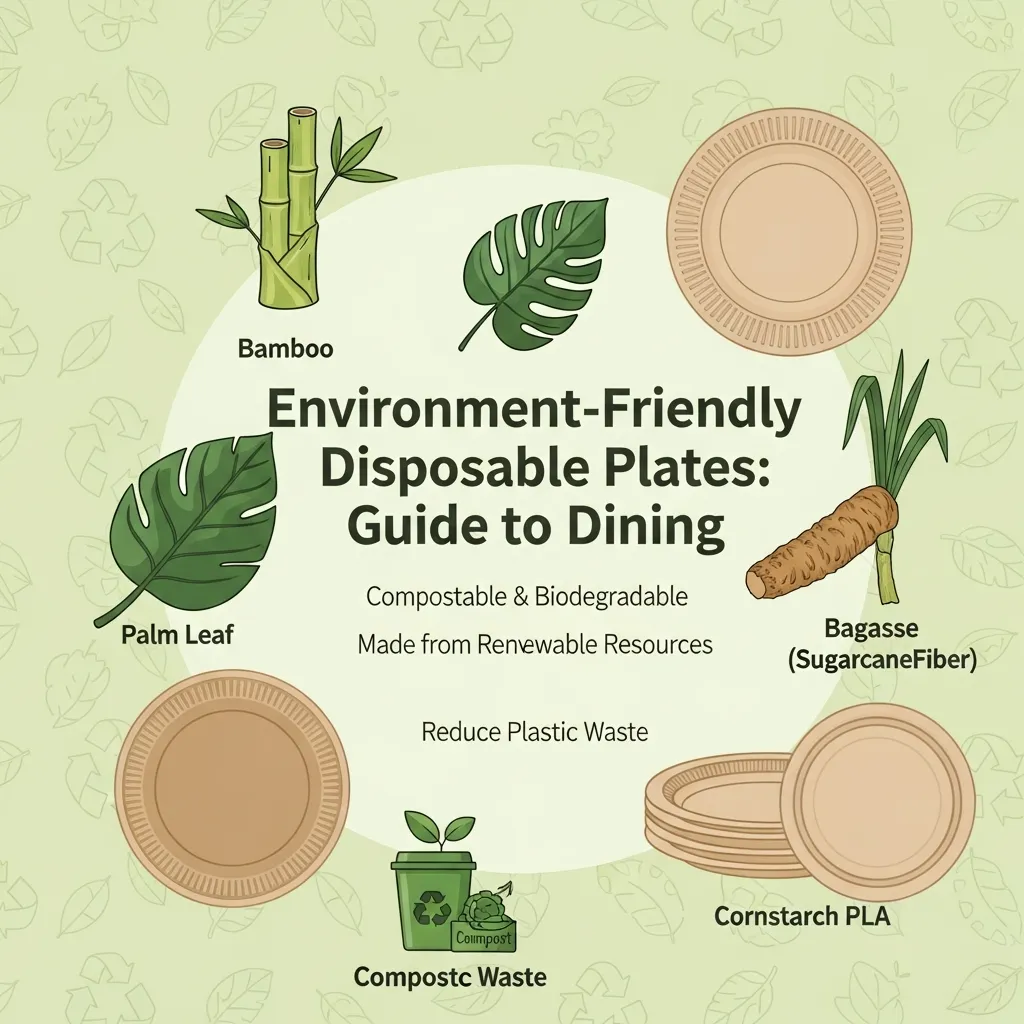
This blog explains the benefits, materials, environmental impact, and buying considerations of environmentally friendly disposable plates. It highlights sustainable tableware trends, compostable alternatives, event usage, business adoption, and practical tips for choosing eco-friendly dining solutions for modern lifestyles.
The global conversation around sustainability has changed the way people shop, eat, host events, and manage waste. One of the biggest changes in modern dining culture is the growing demand for environment-friendly disposable plates. Consumers are now more aware of how traditional plastic and foam products damage the environment, pollute oceans, and contribute to landfill waste. As a result, eco-conscious individuals and businesses are actively searching for better alternatives.
Environment-friendly disposable plates offer a practical solution for parties, weddings, offices, restaurants, food trucks, picnics, and daily household use. These products combine convenience with sustainability, helping people reduce their environmental impact without sacrificing functionality. From compostable dinner plates made from sugarcane bagasse to bamboo and palm leaf products, the sustainable tableware market has expanded significantly in recent years.
Modern eco-friendly plates are designed to be durable, stylish, biodegradable, and suitable for both casual and premium events. Businesses are also adopting sustainable tableware to improve their brand image and meet consumer expectations for environmentally responsible practices.
This comprehensive guide explores everything you need to know about environment-friendly disposable plates, including materials, benefits, usage tips, environmental impact, comparisons, buying guides, and common questions.
What Are Environment-Friendly Disposable Plates?
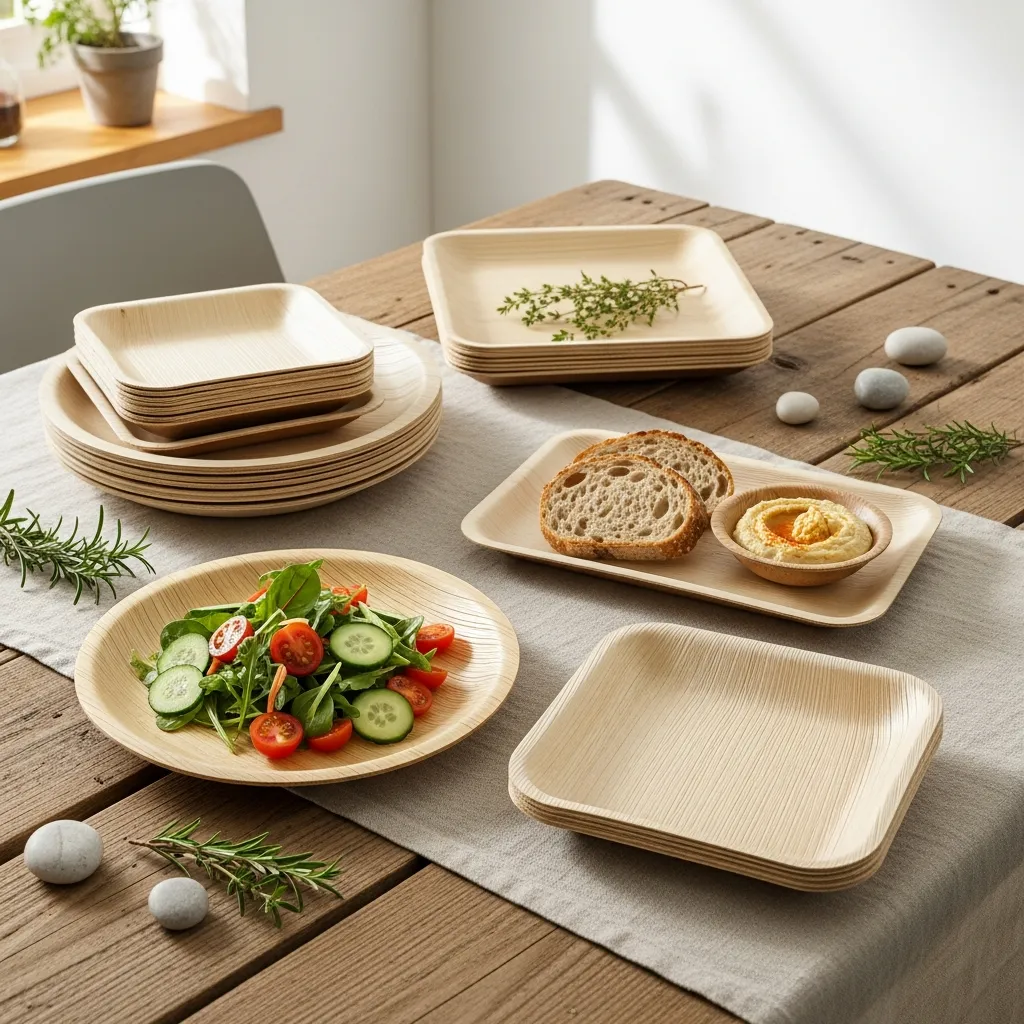
Environment-friendly disposable plates are single-use dining products made from biodegradable, compostable, recyclable, or renewable materials. Unlike traditional plastic or foam disposable plates, these products break down naturally and create less environmental pollution.
Most eco-friendly plates are manufactured using natural resources such as:
- Sugarcane bagasse
- Bamboo fiber
- Palm leaves
- Cornstarch
- Recycled paper
- Wheat straw
These materials decompose much faster than plastic and support more sustainable waste management systems.
Environment-friendly disposable plates are commonly used at:
- Weddings
- Birthday parties
- Corporate events
- Food festivals
- Outdoor picnics
- Restaurants
- Catering businesses
The demand for sustainable tableware continues growing because consumers increasingly prefer environmentally responsible products.
Why Eco-Friendly Plates Are Becoming Popular
The popularity of eco-friendly plates has increased because people are more aware of environmental issues caused by plastic waste. Traditional disposable plates often take hundreds of years to decompose, while compostable alternatives break down naturally within months under proper conditions.
Growing Environmental Awareness
Consumers now understand the dangers of:
- Ocean pollution
- Landfill overflow
- Microplastic contamination
- Wildlife damage
- Harmful chemical exposure
Choosing environment-friendly disposable plates helps reduce these environmental problems.
Government Restrictions on Plastic
Many countries and cities have introduced bans or restrictions on single-use plastic products. This has encouraged restaurants and consumers to switch toward compostable dinner plates and other sustainable tableware solutions.
Better Product Quality
Earlier eco-friendly plates were often weak or unattractive. Modern sustainable tableware products are now:
- Heat resistant
- Leak resistant
- Stylish
- Durable
- Microwave safe
This improved quality has significantly increased customer acceptance.
Types of Environment-Friendly Disposable Plates
Different materials offer different advantages depending on the occasion and usage requirements.
Sugarcane Bagasse Plates
Sugarcane bagasse plates are made from the leftover fiber after extracting sugarcane juice. These eco-friendly plates are among the most popular sustainable options today.
Advantages
- Fully compostable
- Strong and durable
- Microwave safe
- Oil resistant
- Affordable
Best Uses
- Weddings
- Corporate catering
- Food delivery
- Large events
Bamboo Plates
Bamboo-based sustainable tableware products are known for their elegant appearance and strength.
Advantages
- Renewable material
- Natural appearance
- Durable structure
- Lightweight
Best Uses
- Luxury events
- Outdoor dining
- Eco-conscious restaurants
Palm Leaf Plates
Palm leaf environment-friendly disposable plates are made from naturally fallen palm leaves.
Advantages
- Unique texture
- Premium appearance
- Compostable
- Chemical-free
Best Uses
- Romantic dinners
- Premium catering
- Sustainable weddings
Recycled Paper Plates
Recycled paper disposable plates remain one of the most affordable options for environmentally conscious consumers.
Advantages
- Lightweight
- Recyclable
- Budget friendly
Best Uses
- Casual events
- Office parties
- School gatherings
Environmental Benefits of Compostable Dinner Plates
Compostable dinner plates provide several important environmental advantages.
| Benefit | Environmental Impact |
|---|---|
| Reduced Plastic Waste | Less landfill pollution |
| Faster Decomposition | Lower long-term waste accumulation |
| Renewable Materials | Supports sustainability |
| Lower Carbon Footprint | Reduces manufacturing emissions |
| Safer Disposal | Fewer harmful chemicals |
These benefits make sustainable tableware an essential part of environmentally responsible living.
How Environment-Friendly Disposable Plates Reduce Pollution
Traditional plastic disposable plates create serious environmental damage because they remain in ecosystems for decades. Environment-friendly disposable plates help reduce pollution in multiple ways.
Reduced Ocean Pollution
Millions of plastic products enter oceans every year, harming marine life and ecosystems. Compostable dinner plates decompose naturally, reducing long-term ocean contamination.
Lower Landfill Waste
Plastic waste occupies landfill space for generations. Sustainable tableware products break down much faster under composting conditions.
Reduced Harmful Chemicals
Many plastic products release harmful toxins into soil and water systems. Eco-friendly plates made from natural materials reduce chemical pollution risks.
Sustainable Tableware for Events and Parties
Large gatherings generate significant waste. Choosing sustainable tableware can dramatically reduce the environmental impact of events.
Weddings
Modern couples increasingly choose environment-friendly disposable plates for:
- Outdoor receptions
- Garden weddings
- Eco-themed celebrations
Eco-friendly plates also match natural decoration styles beautifully.
Corporate Events
Businesses use sustainable tableware to:
- Improve brand image
- Demonstrate environmental responsibility
- Meet sustainability goals
Food Festivals and Catering
Catering companies prefer compostable dinner plates because they:
- Simplify cleanup
- Reduce waste management issues
- Appeal to eco-conscious customers
Comparing Disposable Plate Materials
Choosing the right environment-friendly disposable plates depends on durability, appearance, budget, and sustainability.
| Material | Compostable | Appearance | Durability | Cost |
|---|---|---|---|---|
| Sugarcane Bagasse | Yes | Modern | High | Moderate |
| Bamboo | Yes | Elegant | High | Higher |
| Palm Leaf | Yes | Premium | Very High | Premium |
| Recycled Paper | Sometimes | Simple | Moderate | Low |
Each sustainable tableware option serves different needs and event styles.
Features to Look for in Eco-Friendly Plates
Not all eco-friendly plates offer the same performance. Buyers should evaluate product quality carefully.
Heat Resistance
Good compostable dinner plates should handle:
- Hot meals
- Microwave use
- Warm liquids
Leak Resistance
Strong sustainable tableware prevents:
- Sauce leakage
- Oil seepage
- Structural collapse
Compostability Certification
Certified products ensure genuine environmental standards.
Look for:
- Compostable certifications
- Biodegradable labels
- FSC certifications
Common Misconceptions About Environment-Friendly Disposable Plates
Many people still misunderstand sustainable tableware products.
“Eco-Friendly Plates Are Weak”
Modern eco-friendly plates are highly durable and suitable for heavy meals.
“They Are Too Expensive”
While some premium products cost more, many affordable environment-friendly disposable plates are available today.
“Compostable Means Instant Decomposition”
Compostable dinner plates require proper composting conditions to break down efficiently.
The Role of Businesses in Sustainable Dining
Restaurants and catering businesses play a major role in promoting sustainable tableware adoption.
Brand Reputation
Consumers increasingly support brands using:
- Eco-friendly packaging
- Compostable dinner plates
- Sustainable dining practices
Customer Expectations
Modern customers often expect businesses to reduce plastic usage.
Long-Term Sustainability Goals
Businesses using environment-friendly disposable plates contribute to:
- Waste reduction
- Cleaner communities
- Better environmental practices
Sustainable Tableware Trends in Modern Dining
Sustainable dining continues evolving rapidly.
Luxury Eco Dining
High-end restaurants now use elegant bamboo and palm leaf eco-friendly plates.
Minimalist Eco Designs
Simple natural aesthetics are becoming increasingly popular.
Smart Composting Systems
Event organizers now integrate compost collection systems alongside sustainable tableware usage.
Storage and Handling Tips for Compostable Dinner Plates
Proper storage improves product lifespan and quality.
Store in Dry Areas
Humidity can weaken certain eco-friendly plates over time.
Avoid Excessive Heat
High temperatures may affect structural quality before usage.
Use Before Expiry Period
Some sustainable tableware materials naturally degrade over time.
Challenges Facing Sustainable Tableware Adoption
Despite growing popularity, some challenges still exist.
Limited Composting Infrastructure
Not every city has industrial composting facilities.
Higher Initial Costs
Premium compostable dinner plates may cost more than plastic alternatives.
Consumer Education
Many consumers still confuse biodegradable and compostable products.
Future of Environment-Friendly Disposable Plates
The future of sustainable dining looks promising as innovation continues improving product quality and affordability.
Advanced Materials
Researchers are developing:
- Seaweed-based plates
- Edible tableware
- Faster composting materials
Global Sustainability Movement
Governments, businesses, and consumers increasingly support eco-friendly dining solutions.
Improved Waste Management
More cities are investing in composting systems and sustainable waste practices. For additional information about eco-friendly dining solutions and sustainable tableware practices
Why Consumers Should Switch to Eco-Friendly Plates
Switching to environment-friendly disposable plates is one of the simplest ways individuals can reduce environmental harm in daily life.
Benefits include:
- Reduced plastic pollution
- Safer waste disposal
- Better sustainability practices
- Cleaner communities
- Support for renewable materials
Every small sustainable choice contributes to long-term environmental improvement.
Tips for Choosing the Best Environment-Friendly Disposable Plates
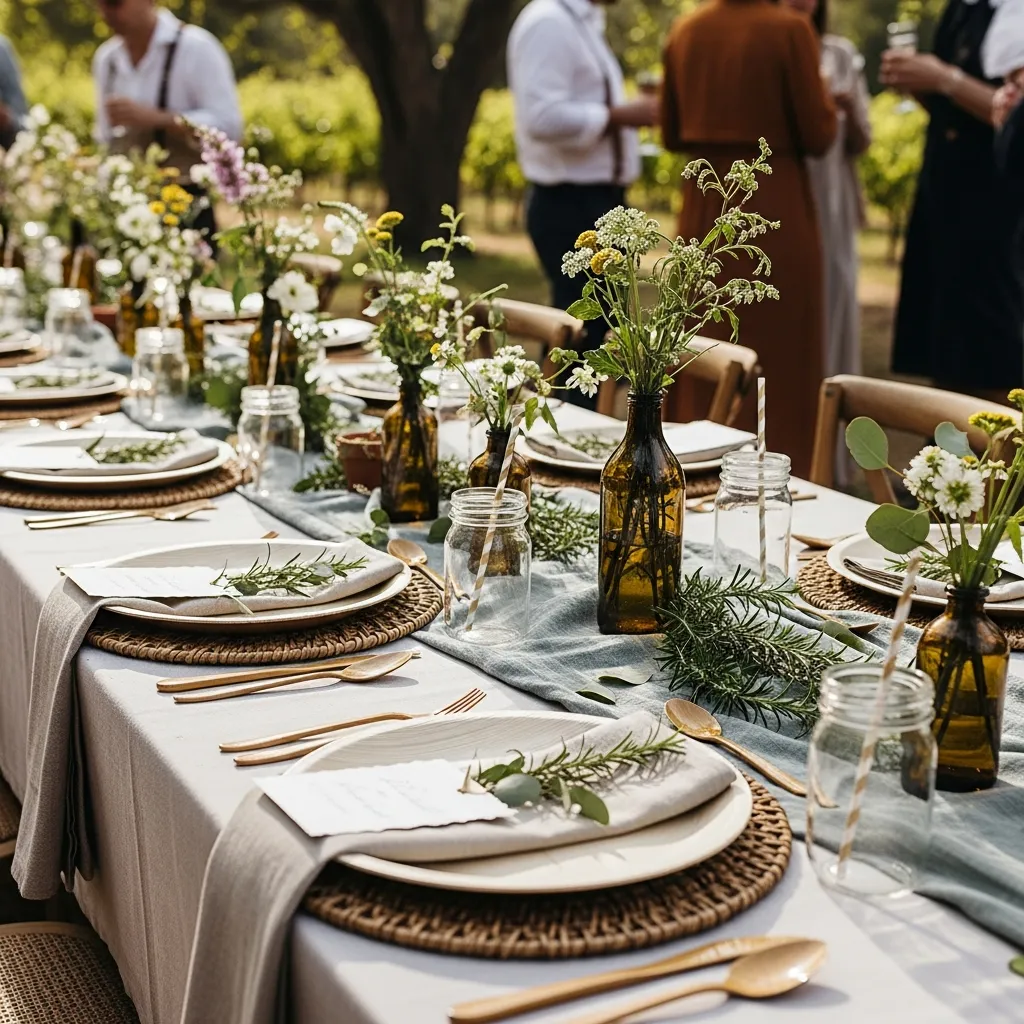
Choosing the right environment-friendly disposable plates is important for both functionality and sustainability. Not all eco-friendly plates perform the same way, and selecting the wrong product can affect guest experience, food presentation, and waste management. Whether you are planning a wedding, corporate gathering, restaurant service, picnic, or private celebration, understanding the key factors behind sustainable tableware selection helps you make smarter decisions.
Modern consumers now expect disposable plates to be durable, attractive, safe, and environmentally responsible at the same time. Because of this, buyers should carefully evaluate product materials, certifications, strength, and supplier reliability before purchasing.
Understand Event Requirements
Every event has different dining needs, so selecting environment-friendly disposable plates should always begin with understanding the specific event requirements. The type of event directly affects the size, strength, appearance, and quantity of sustainable tableware needed.
Important factors to evaluate include:
- Guest count
- Food menu
- Indoor or outdoor venue
- Formal or casual setting
- Waste disposal arrangements
- Budget limitations
For example, a luxury wedding may require elegant palm leaf or bamboo eco-friendly plates, while a casual office lunch may only need affordable recycled paper disposable plates.
Guest Count Planning
Accurate guest estimation helps avoid unnecessary waste and overspending. Ordering too many compostable dinner plates increases costs and creates additional unused waste, while ordering too few can create serving problems during the event.
A smart approach includes:
- Ordering slightly above expected attendance
- Separating plates for desserts and meals
- Considering extra guests or replacements
Large events often benefit from bulk purchasing because suppliers usually offer better pricing for higher quantities of sustainable tableware.
Food Type Matters
Different foods require different levels of plate durability. Heavy meals with sauces, oils, or liquids demand stronger environment-friendly disposable plates.
Examples include:
- Palm leaf plates for steak or barbecue
- Bagasse plates for curries and rice dishes
- Bamboo plates for premium dining
- Recycled paper plates for snacks and desserts
Choosing the wrong material can lead to leaks, bending, or breakage during meals, negatively affecting guest satisfaction.
Event Style and Presentation
The visual appearance of eco-friendly plates significantly impacts event aesthetics. Sustainable tableware should complement the overall decoration and dining atmosphere.
For formal events:
- Elegant palm leaf designs work well
- Natural bamboo finishes create luxury appeal
- Neutral color palettes improve presentation
For casual events:
- Simple compostable dinner plates are practical
- Lightweight paper options reduce costs
- Minimalist designs support clean presentation
Modern sustainable tableware now offers stylish alternatives that match premium event standards without relying on plastic products.
Budget Planning
Budget remains one of the biggest deciding factors when selecting environment-friendly disposable plates. While some premium products cost more, buyers should balance price with durability and sustainability.
Budget planning tips include:
- Compare suppliers before purchasing
- Calculate cost per guest
- Avoid unnecessary premium features
- Prioritize durability for heavy meals
Affordable eco-friendly plates are now widely available, making sustainable dining more accessible for both businesses and households.
Check Certifications Carefully
Certifications are extremely important when purchasing sustainable tableware because many products claim to be eco-friendly without meeting genuine environmental standards. Reliable certifications help consumers identify trustworthy compostable dinner plates and avoid misleading marketing claims.
Common Certifications to Look For
Trusted certifications may include:
- Compostability certifications
- FSC certification
- Biodegradable product labels
- Food safety approvals
These certifications indicate that the environment-friendly disposable plates meet specific environmental and manufacturing standards.
Why Certifications Matter
Certified eco-friendly plates help ensure:
- Safer food contact materials
- Authentic compostability
- Reduced environmental impact
- Ethical sourcing practices
Without proper certification, some products may contain hidden plastic coatings or harmful chemicals despite being marketed as sustainable tableware.
Industrial vs Home Compostable Products
Some compostable dinner plates require industrial composting facilities to decompose efficiently, while others break down naturally in home compost systems.
Consumers should always check:
- Disposal instructions
- Composting compatibility
- Local composting availability
Understanding these differences helps maximize the environmental benefits of eco-friendly plates.
Compare Material Strength and Performance
Different materials behave differently depending on heat, moisture, food weight, and serving conditions. Carefully comparing product strength helps prevent dining problems during events.
Sugarcane Bagasse Plates
Sugarcane bagasse environment-friendly disposable plates are among the strongest and most versatile options available.
Key advantages:
- Excellent heat resistance
- Strong oil resistance
- Suitable for heavy meals
- Microwave safe
These compostable dinner plates are highly popular for catering and large-scale events.
Palm Leaf Plates
Palm leaf eco-friendly plates offer premium strength and natural beauty.
Benefits include:
- Unique textures
- Elegant appearance
- High durability
- Chemical-free production
They work especially well for weddings and luxury sustainable tableware setups.
Bamboo Plates
Bamboo-based sustainable tableware combines elegance with strength.
Advantages:
- Renewable material
- Lightweight design
- Strong structure
- Stylish appearance
Bamboo eco-friendly plates are ideal for upscale outdoor events and premium catering.
Recycled Paper Plates
Recycled paper disposable plates remain affordable and lightweight but may not perform well with extremely hot or oily foods.
Best uses:
- Snacks
- Desserts
- Dry meals
- Casual gatherings
Buyers should always evaluate meal requirements before selecting paper-based sustainable tableware.
Evaluate Heat and Leak Resistance
One of the most important performance factors for environment-friendly disposable plates is their ability to handle heat and moisture effectively.
Heat Resistance
High-quality compostable dinner plates should:
- Maintain shape under heat
- Resist warping
- Handle microwaving safely
This becomes especially important for buffet services, outdoor catering, and hot meal delivery.
Leak Protection
Leak-resistant eco-friendly plates improve dining comfort and reduce cleanup problems.
Strong sustainable tableware helps prevent:
- Sauce leakage
- Oil seepage
- Bottom weakening
- Structural collapse
Choosing durable materials creates a more professional and reliable dining experience.
Buy From Trusted Suppliers
Selecting reliable suppliers is essential for ensuring product quality, safety, and genuine sustainability. Trusted suppliers provide better consistency, certifications, and customer support.
Benefits of Trusted Suppliers
Reliable suppliers usually offer:
- Better product quality
- Accurate sustainability claims
- Bulk purchasing support
- Faster delivery
- Product variety
Quality suppliers also maintain better hygiene and manufacturing standards for compostable dinner plates.
Read Customer Reviews
Customer feedback provides valuable information about:
- Product durability
- Delivery reliability
- Material quality
- Actual compostability
Reading reviews helps buyers avoid poor-quality eco-friendly plates that may not perform as advertised.
Request Samples Before Bulk Orders
Businesses and event organizers should request samples before purchasing large quantities of sustainable tableware.
Testing samples helps evaluate:
- Plate strength
- Appearance
- Heat resistance
- Leak resistance
This reduces the risk of purchasing unsuitable environment-friendly disposable plates for important events.
Consider Storage and Transportation
Proper storage and transportation affect the quality of compostable dinner plates before use.
Storage Tips
Eco-friendly plates should be stored:
- In cool dry environments
- Away from direct sunlight
- Protected from humidity
Improper storage can weaken sustainable tableware products over time.
Transportation Considerations
Event planners should choose environment-friendly disposable plates that are:
- Stackable
- Lightweight
- Easy to transport
- Resistant to cracking
These factors simplify logistics for large events and catering businesses.
Balance Sustainability with Practicality
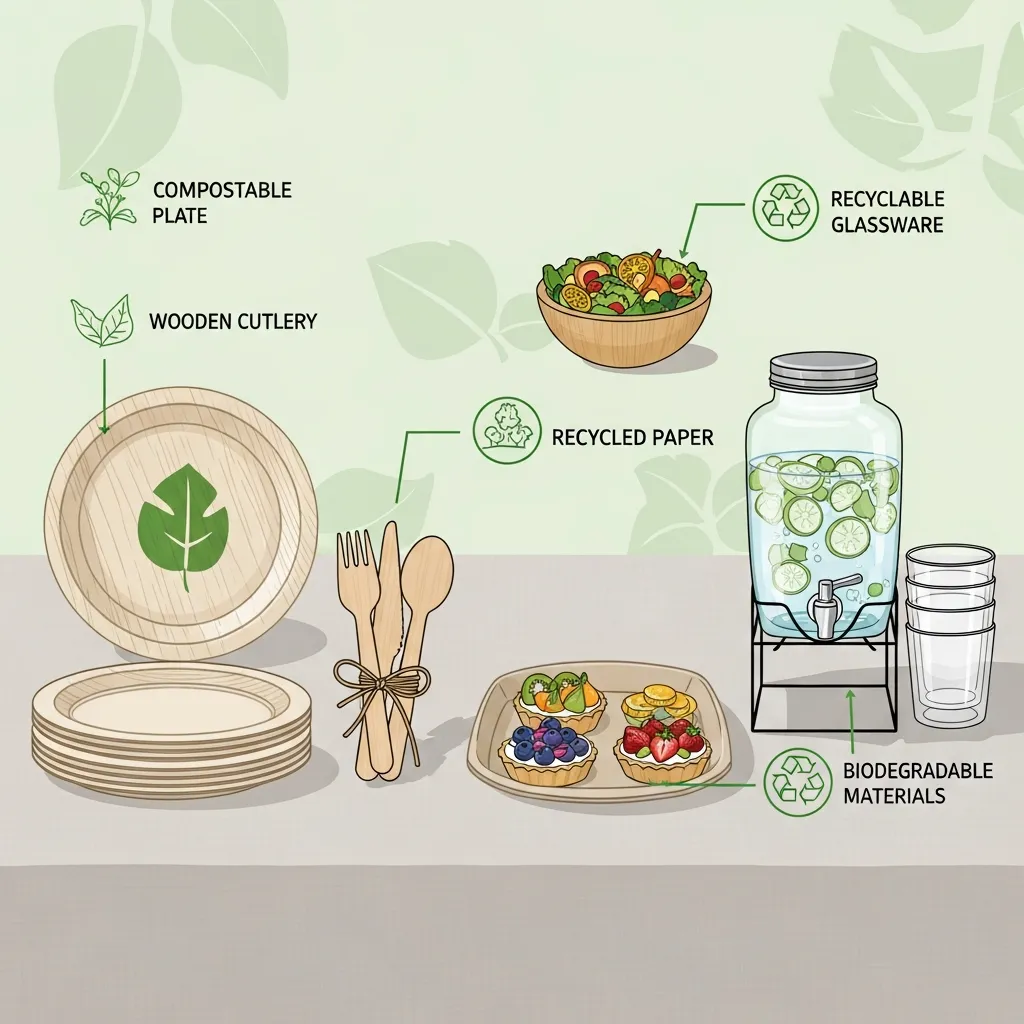
While sustainability is important, practicality should not be ignored. The best environment-friendly disposable plates combine environmental responsibility with real-world functionality.
Consumers should consider:
- Food compatibility
- Guest comfort
- Waste disposal options
- Budget efficiency
- Visual presentation
A balanced approach ensures that sustainable tableware performs effectively while supporting eco-friendly goals.
Final Recommendation
Choosing the best environment-friendly disposable plates requires careful consideration of material quality, certifications, durability, supplier reliability, and event requirements. Modern eco-friendly plates now offer strong performance, elegant presentation, and genuine sustainability, making them excellent alternatives to traditional plastic products.
Whether you are planning a wedding, managing a catering business, organizing a corporate event, or simply reducing household waste, investing in high-quality sustainable tableware helps support a cleaner environment while maintaining convenience and dining quality. Thoughtful purchasing decisions allow consumers to enjoy practical benefits while contributing to long-term environmental sustainability.
Final Thoughts
Environment-friendly disposable plates represent an important shift toward more responsible and sustainable dining habits. As environmental awareness grows worldwide, both individuals and businesses are recognizing the importance of reducing plastic waste and supporting eco-friendly alternatives.
Modern eco-friendly plates combine functionality, durability, and aesthetics while minimizing environmental harm. Whether for weddings, corporate events, catering services, restaurants, or everyday home use, sustainable tableware provides practical solutions for modern consumers.
Compostable dinner plates, bamboo products, palm leaf plates, and recycled paper alternatives are helping reshape the future of disposable dining. These products not only reduce pollution but also encourage better environmental responsibility across industries and communities.
Choosing environment-friendly disposable plates may seem like a small decision, but collective sustainable choices create meaningful environmental impact over time. Supporting sustainable tableware today helps build a cleaner, healthier future for generations to come.
Frequently Asked Questions
What are environment-friendly disposable plates?
Environment-friendly disposable plates are single-use plates made from biodegradable or compostable materials like sugarcane bagasse, bamboo, palm leaves, or recycled paper. Unlike traditional plastic products, they decompose naturally and create less environmental pollution. These sustainable tableware products are commonly used for parties, restaurants, and eco-conscious events.
Are eco-friendly plates really compostable?
Many eco-friendly plates are fully compostable when disposed of under proper composting conditions. Compostable dinner plates made from sugarcane fiber or palm leaves usually break down naturally within a few months. However, decomposition speed depends on moisture, temperature, and composting facilities.
Can compostable dinner plates handle hot food?
Yes, most modern compostable dinner plates are designed to handle hot meals, oily foods, and liquids safely. High-quality sustainable tableware products are often microwave safe and leak resistant. Always check product specifications before use for extremely hot or heavy foods.
Are environment-friendly disposable plates expensive?
Some premium eco-friendly plates cost more than traditional plastic plates, but many affordable options are now available. As demand increases, prices continue becoming more competitive. Many consumers consider the environmental benefits worth the slightly higher cost.
What materials are commonly used for sustainable tableware?
Popular sustainable tableware materials include sugarcane bagasse, bamboo fiber, palm leaves, wheat straw, and recycled paper. These renewable materials decompose faster and reduce environmental impact compared to conventional plastic products.
Can eco-friendly plates be recycled?
Some eco-friendly plates made from paper-based materials may be recyclable if they are clean and free from food contamination. However, compostable dinner plates are generally intended for composting rather than recycling. Local recycling guidelines should always be checked.
Why are businesses switching to eco-friendly plates?
Businesses use environment-friendly disposable plates to improve sustainability practices and attract environmentally conscious customers. Sustainable tableware also helps businesses comply with plastic reduction regulations and strengthen brand reputation in competitive markets.
Are palm leaf plates safe for food?
Yes, palm leaf eco-friendly plates are considered safe for serving food. They are typically chemical-free and made from naturally fallen leaves. Their durable structure and premium appearance make them popular for weddings and luxury events.
How long do compostable dinner plates take to decompose?
Most compostable dinner plates decompose within several weeks to a few months under industrial composting conditions. Home composting may take longer depending on environmental conditions like moisture and temperature.
Are eco-friendly plates suitable for weddings and parties?
Yes, environment-friendly disposable plates are widely used for weddings, birthday parties, and corporate events. Modern sustainable tableware products offer stylish designs, durability, and elegant presentation while reducing environmental waste.
What is the difference between biodegradable and compostable plates?
Biodegradable plates break down naturally over time, but the process may take years and leave residue behind. Compostable dinner plates break down more efficiently into nutrient-rich organic matter under composting conditions without harmful residue.
How can consumers identify genuine sustainable tableware?
Consumers should look for trusted certifications, compostability labels, and clear material information when purchasing eco-friendly plates. Buying from reliable suppliers also helps ensure product quality and authentic environmental claims.
