

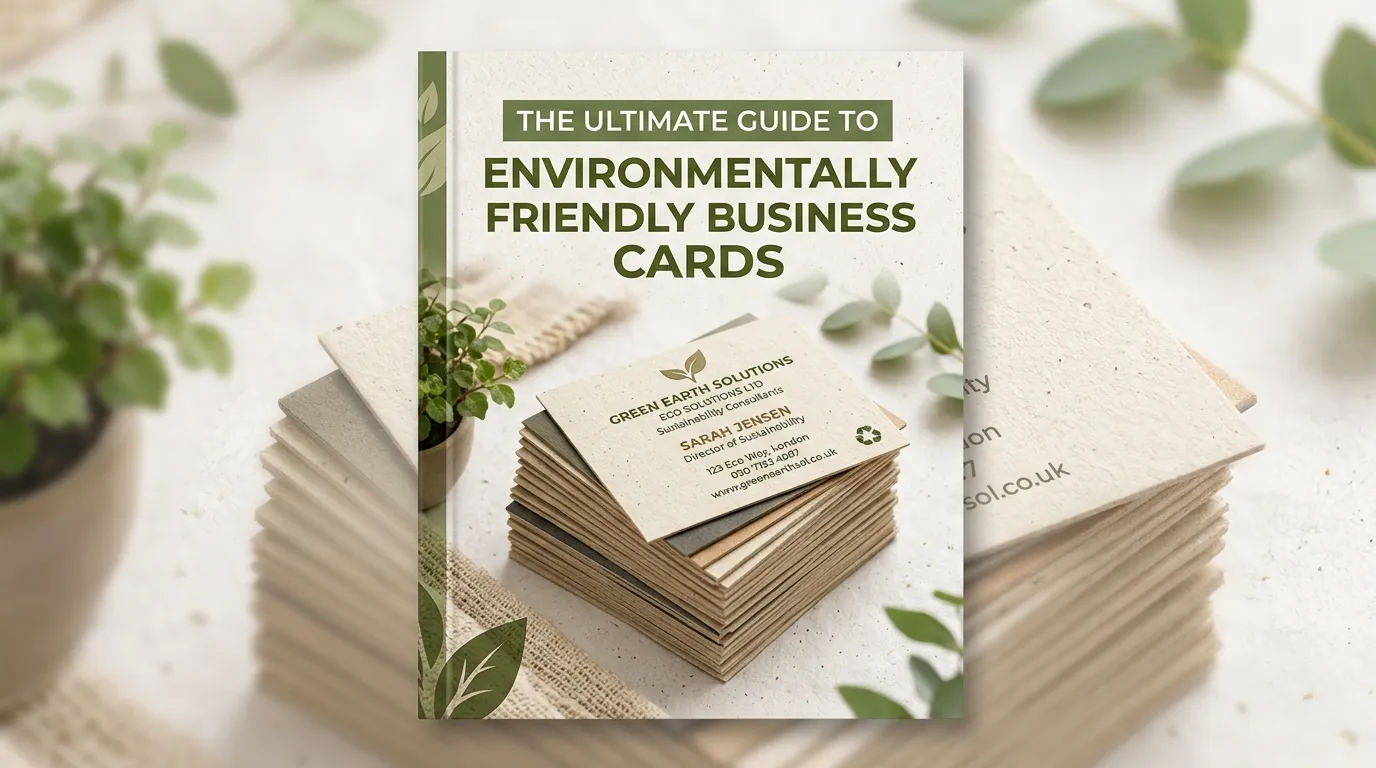
Discover how environmentally friendly business cards help businesses reduce waste, improve brand image, attract eco-conscious clients, and support sustainability through recycled materials, seed paper, bamboo, smart NFC technology, and eco-friendly printing methods for greener professional networking.
Sustainability represents a fundamental expectation for modern businesses, guiding how organizations operate at every level. Consumers, investors, and partners actively seek out companies that prioritize environmental stewardship. Leaders analyze every aspect of their operations, from reducing office energy consumption to auditing supply chains. Yet, one small but significant networking tool often slips under the radar during these green audits.
Physical business cards remain incredibly important for building professional relationships. Handing a card to a potential client establishes a tangible connection that digital apps often fail to replicate. It provides a physical reminder of your meeting and immediately conveys your brand identity. A well-designed card leaves a lasting impression that a quick smartphone contact exchange simply cannot match.
Unfortunately, traditional networking materials take a massive toll on the environment. Millions of trees are cut down annually just to produce small paper rectangles, with the vast majority thrown away within a week. Furthermore, traditional cards often feature thin plastic coatings to make them glossy, rendering them completely unrecyclable. The petroleum-based inks used in standard printing processes release harmful volatile organic compounds into our fragile atmosphere.
Thankfully, professionals have access to a much better way to network and share contact details. Environmentally friendly business cards offer the perfect solution for individuals who want to make a memorable impact without harming the planet. By choosing sustainable materials and green printing methods, you align your networking efforts with your corporate values.
Why Choose Environmentally Friendly Business Cards?
Switching to sustainable alternatives offers significant advantages that extend far beyond simple environmental conservation. Environmentally friendly business cards function as powerful marketing assets that shape public perception.
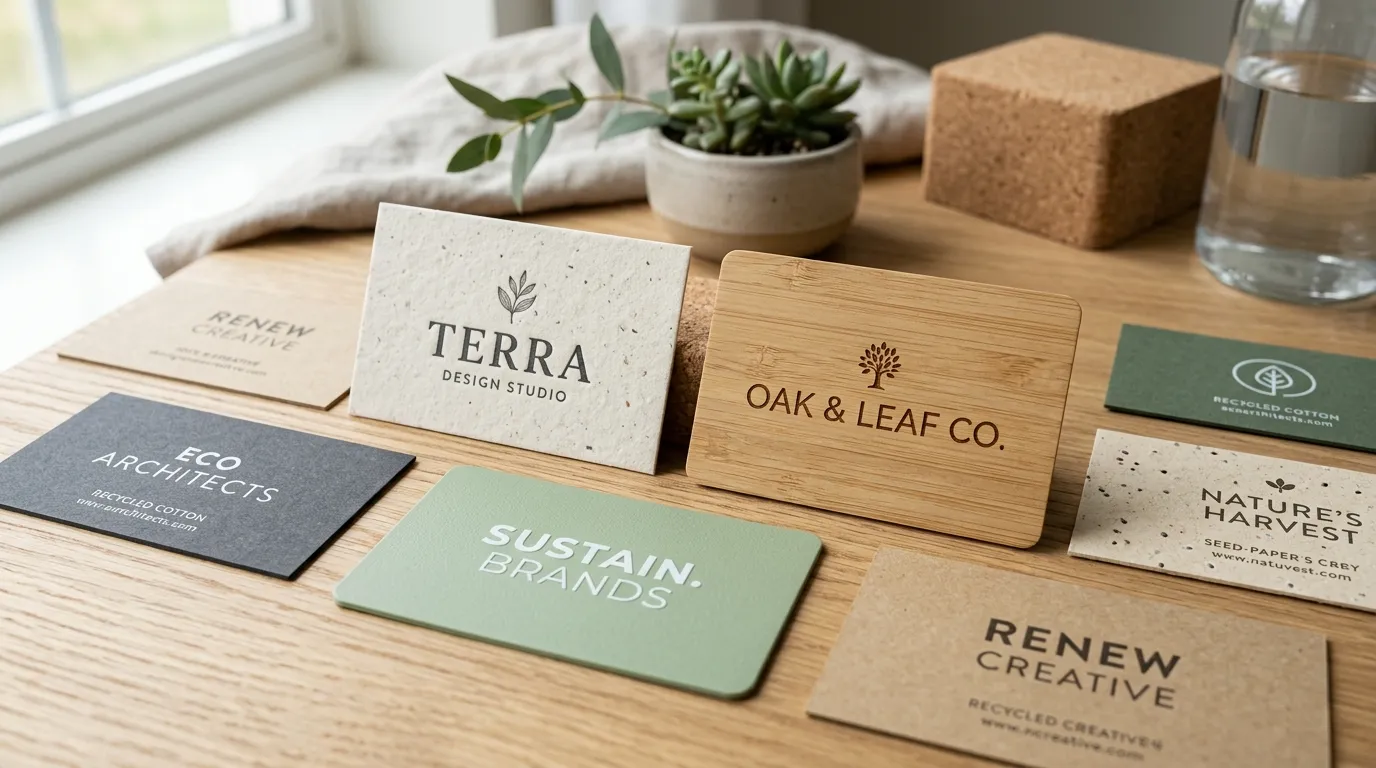
Elevate Your Brand Perception
Your business card is often the first piece of physical marketing material a prospect receives. Handing over high-quality, environmentally friendly business cards immediately communicates your corporate social responsibility. It shows that your company cares about its footprint and pays close attention to small details. This approach builds trust and positions your brand as forward-thinking, ethical, and reliable.
Appeal to Eco-Conscious Consumers
Modern consumers actively seek out businesses that share their core values and environmental concerns. When you use environmentally friendly business cards, you instantly signal to eco-conscious clients and partners that you align with their priorities. This shared commitment frequently serves as the deciding factor that helps you win a contract. You easily stand out over a competitor who continues using traditional, wasteful materials.
Protect Ecosystems and Reduce Waste
The most obvious benefit of environmentally friendly business cards is the positive environmental impact. By choosing recycled or alternative materials, you directly reduce deforestation and lower the demand for virgin paper production. You also keep toxic chemicals out of the ecosystem by avoiding plastic coatings and petroleum inks. Every small switch contributes to a healthier, more sustainable planet for future generations.
Enjoy Long-Term Financial Benefits
While some premium sustainable materials might carry a slightly higher upfront cost, they lead to substantial long-term savings. Environmentally friendly business cards made from durable materials are designed to be kept, rather than discarded. Furthermore, incorporating smart technologies into metal or wood cards means you do not have to reprint items when an employee changes their phone number.
Top Materials for Environmentally Friendly Business Cards
When you decide to transition to environmentally friendly business cards, you will discover a wide variety of innovative materials. Each option provides a unique texture, appearance, and environmental benefit.
Post-Consumer Recycled Paper
Using 100% post-consumer recycled paper represents one of the most popular and accessible ways to go green. This material gives a second life to paper waste that would otherwise end up decaying in a crowded landfill. The texture of recycled paper often features slight, beautiful variations that give your environmentally friendly business cards an organic feel. You can easily customize recycled paper with various cuts, embossing, and green finishes.
Plantable Seed Paper
Plantable paper takes the concept of environmentally friendly business cards to an entirely new level. This biodegradable material comes embedded with seeds, usually containing wildflowers, herbs, or small vegetables. When the recipient finishes using your contact information, they simply plant the card in a pot of soil. With a little water and sunlight, the card grows into a plant, creating a highly memorable interactive experience.
Bamboo and Sustainably Harvested Wood
Bamboo ranks as one of the fastest-growing plants on earth, making it an incredibly renewable resource for environmentally friendly business cards. Bamboo and sustainably harvested wood cards offer a striking, premium aesthetic that commands immediate attention. They are highly durable and feature unique wood grains, ensuring that no two cards look exactly alike. Recipients almost never throw these unique materials away.
Organic Cotton and Textile Waste
You might not immediately associate cotton with networking, but cotton paper serves as a luxurious, tree-free alternative. Made from textile industry remnants and reclaimed fibers, these environmentally friendly business cards feel soft to the touch but remain incredibly strong. They offer a pristine, elegant appearance perfect for high-end brands, luxury real estate agents, and boutique design agencies.
Recycled Metal and Smart Cards
For the ultimate premium feel, recycled metal cards provide unmatched durability and completely reusable functionality. While they require more energy to produce initially, their lifespan is essentially infinite, making them excellent environmentally friendly business cards. Many companies use a single metal card embedded with NFC technology. You simply tap the metal card against a smartphone, transferring your details instantly.
Innovative Alternatives
The sustainable printing industry constantly evolves, producing fascinating new materials for environmentally friendly business cards. You can now find options made from stone paper, created using calcium carbonate extracted from construction waste. Stone paper requires zero water or bleach to produce and remains naturally waterproof and tear-resistant. Cork represents another renewable material gaining popularity for its unique texture and extreme lightweight properties.
Material Comparison
To help you choose the best option for your brand, review this comparison of materials used for environmentally friendly business cards.
|
Material Type |
Primary Environmental Benefit |
Durability Level |
Best Suited For |
|---|---|---|---|
|
Recycled Paper |
Diverts waste from landfills |
Standard |
Large corporate teams, mass distribution |
|
Seed Paper |
Biodegradable, promotes plant growth |
Low (designed to degrade) |
Creative agencies, organic brands, cafes |
|
Bamboo/Wood |
Highly renewable, biodegradable |
High |
Premium services, boutique brands |
|
Organic Cotton |
Utilizes textile waste, tree-free |
Medium to High |
Luxury brands, high-end real estate |
|
Recycled Metal |
Infinite lifespan, reduces reprinting |
Extreme |
Tech startups, executives, sales leaders |
Global Sustainability Goals and Business Networking
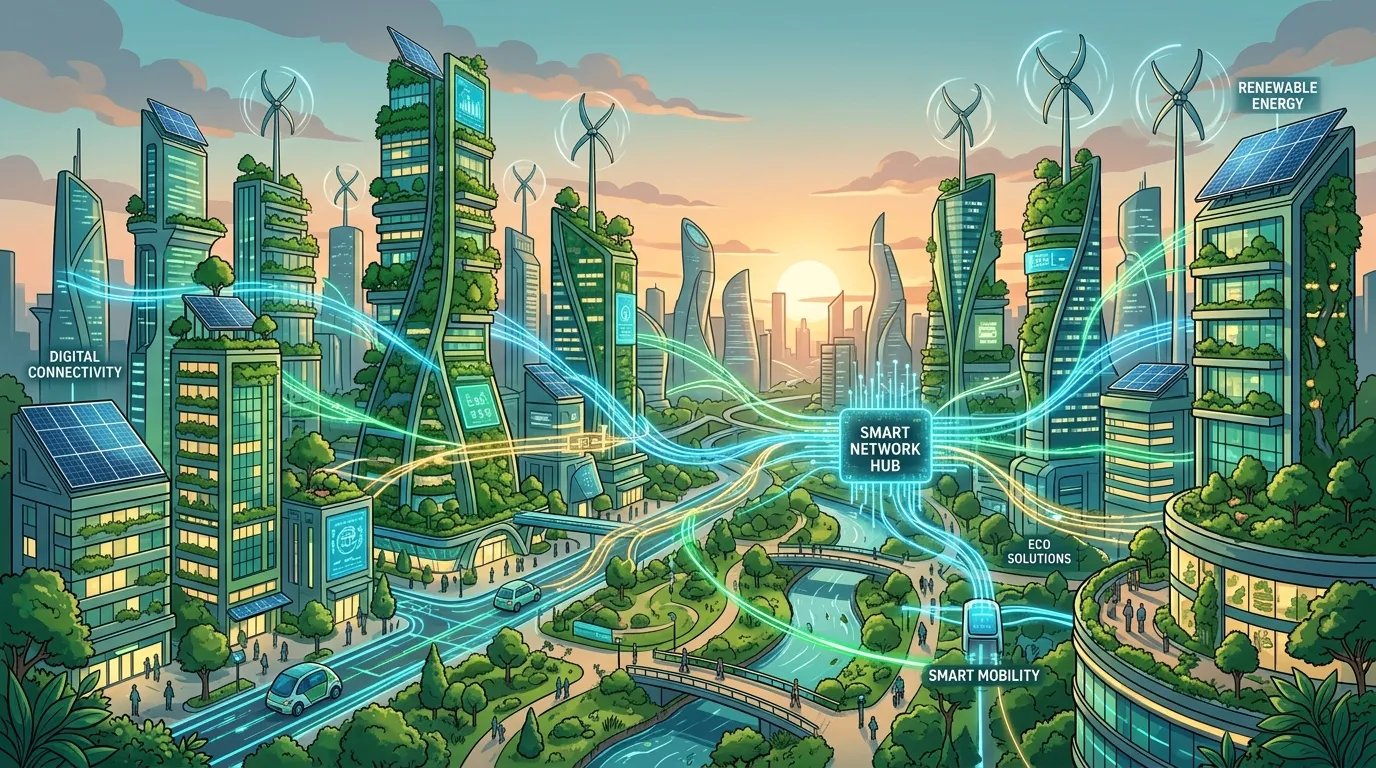
Adopting environmentally friendly business cards aligns your company with broader global initiatives aimed at protecting our natural resources. Organizations worldwide are shifting focus toward responsible consumption and production. By auditing your printing practices, your business directly participates in reducing industrial waste.
Read about sustainable development goals
Integrating sustainable habits into everyday networking demonstrates a genuine commitment to these international environmental standards.
Design Tips for a Smaller Environmental Footprint
Choosing a green material serves as only the first step in your sustainability journey. How you design your environmentally friendly business cards plays a crucial role in their overall ecological impact.
Embrace Minimalist Aesthetics
A minimalist design uses less ink, which significantly reduces the environmental impact of the printing process. Embrace generous white space across your environmentally friendly business cards. A clean, uncluttered layout looks modern and professional while requiring far fewer resources to produce. You should only include the most essential information, letting the unique material speak for itself.
Utilize Soy-Based and Vegetable Inks
Standard printer inks contain petroleum, which releases harmful chemicals and complicates the paper recycling process. When designing your environmentally friendly business cards, ensure your printer uses soy-based or vegetable-based inks exclusively. These alternatives are highly renewable, fully biodegradable, and produce vibrant, sharp colors without toxic side effects.
Maximize Readability and Contrast
Environmentally friendly business cards become completely useless if potential clients cannot read them. Choose legible, clear fonts that display well at small sizes. Ensure high contrast exists between the text and the background material, especially when printing on textured wood or darker recycled paper. A card that proves hard to read will quickly end up in the recycling bin.
Integrate Digital Elements
You can significantly reduce the amount of text you need to print by bridging the gap between physical and digital networking. Add a clean QR code to your environmentally friendly business cards. This code can direct people to your website, digital portfolio, or a dynamic vCard profile. This strategy keeps your physical layout looking clean while providing recipients with comprehensive information.
How to Source Your Sustainable Cards
Finding the right printing partner is absolutely essential to ensure your environmentally friendly business cards are genuinely sustainable.
Identify Reputable Green Printers
Look for printing companies that explicitly specialize in eco-friendly practices and transparent operations. A reputable green printer will openly discuss their supply chain, energy usage, and comprehensive waste management protocols. Ask potential vendors about their manufacturing processes and whether their facilities utilize renewable energy sources like wind or solar power.
Understand Eco-Certifications
Always check for recognized environmental certifications before ordering your environmentally friendly business cards. The FSC (Forest Stewardship Council) certification ensures that any virgin paper used comes from strictly, responsibly managed forests. Other important certifications include Green Seal, which validates the environmental standards of the printing process itself.
Maximizing the Impact of Your Green Business Cards
Once you hold your new environmentally friendly business cards in hand, you need to use them effectively to maximize their networking potential.
Communicate Your Sustainability Story
Do not hesitate to point out your card’s eco-friendly nature to new contacts. Add a tiny line of text at the bottom of your environmentally friendly business cards stating, “Printed on 100% recycled paper” or “Plant this card.” This small addition acts as an excellent conversation starter and explicitly communicates your strong commitment to the environment.
Implement Targeted Networking Strategies
Hand your environmentally friendly business cards out thoughtfully rather than indiscriminately. Instead of passing them out to every single person at a large conference, reserve them for meaningful, high-value connections. Having a targeted distribution strategy drastically reduces waste. It ensures your premium cards go to the people who will actually value and remember your interaction.
Bridge the Physical-Digital Divide
Always follow up your physical networking interactions with immediate digital engagement. When you hand someone your environmentally friendly business cards, verbally mention the QR code and invite them to connect on LinkedIn. This seamless transition from a physical handshake to a digital relationship strengthens your network and validates your modern approach.
Real-World Success Stories
Businesses across all industries currently implement environmentally friendly business cards to boost brand visibility and reduce their carbon footprint.
Coffee Shops and Seed Paper
Specialized coffee shops and organic bakeries frequently use seed paper for their environmentally friendly business cards. Customers take the card home, plant it in their garden, and think of the cafe every time they see the wildflowers bloom. This creates an emotional, lasting connection with the brand that standard paper simply cannot achieve.
Tech Startups and Metal NFC Cards
Tech startups and software agencies are rapidly adopting recycled metal NFC versions of environmentally friendly business cards. By outfitting their sales teams with a single, highly durable smart card, they eliminate the need to order thousands of paper rectangles every quarter. This approach beautifully showcases technological innovation while drastically cutting down on office waste.
Design Firms and Cotton Paper
Architecture and design firms often opt for thick, unbleached organic cotton for their environmentally friendly business cards. The tactile, luxurious experience of the cotton perfectly reflects their intense focus on aesthetics, high quality, and careful craftsmanship. These real-world applications prove that sustainable choices actively enhance a company’s overarching marketing efforts.
Overcoming Common Hurdles
Some businesses hesitate to switch to environmentally friendly business cards due to a few common misconceptions regarding price and durability.
Addressing Cost Concerns
Specialized materials like wood, metal, or seed paper indeed cost more per unit than standard, flimsy cardstock. However, you must view environmentally friendly business cards as a strategic marketing investment rather than a basic office supply expense. Because these cards leave a much stronger impression, they naturally generate a higher return on investment.
Ensuring Durability and Longevity
Another common concern revolves around durability, particularly when discussing seed paper or recycled paper. While seed paper is intentionally designed to break down in soil, it remains perfectly durable for everyday wallet storage. Alternative materials like bamboo, stone paper, and metal are actually far more durable than traditional paper, ensuring your environmentally friendly business cards remain pristine.
Educating Your Workforce
If you roll out environmentally friendly business cards across a large corporate organization, you must educate your staff on their value. Explain the specific reasoning behind the green switch and the environmental benefits. Teach them how to confidently use the QR codes or NFC features. When employees understand the value, they become enthusiastic brand ambassadors.
The Future of Networking and Corporate Responsibility
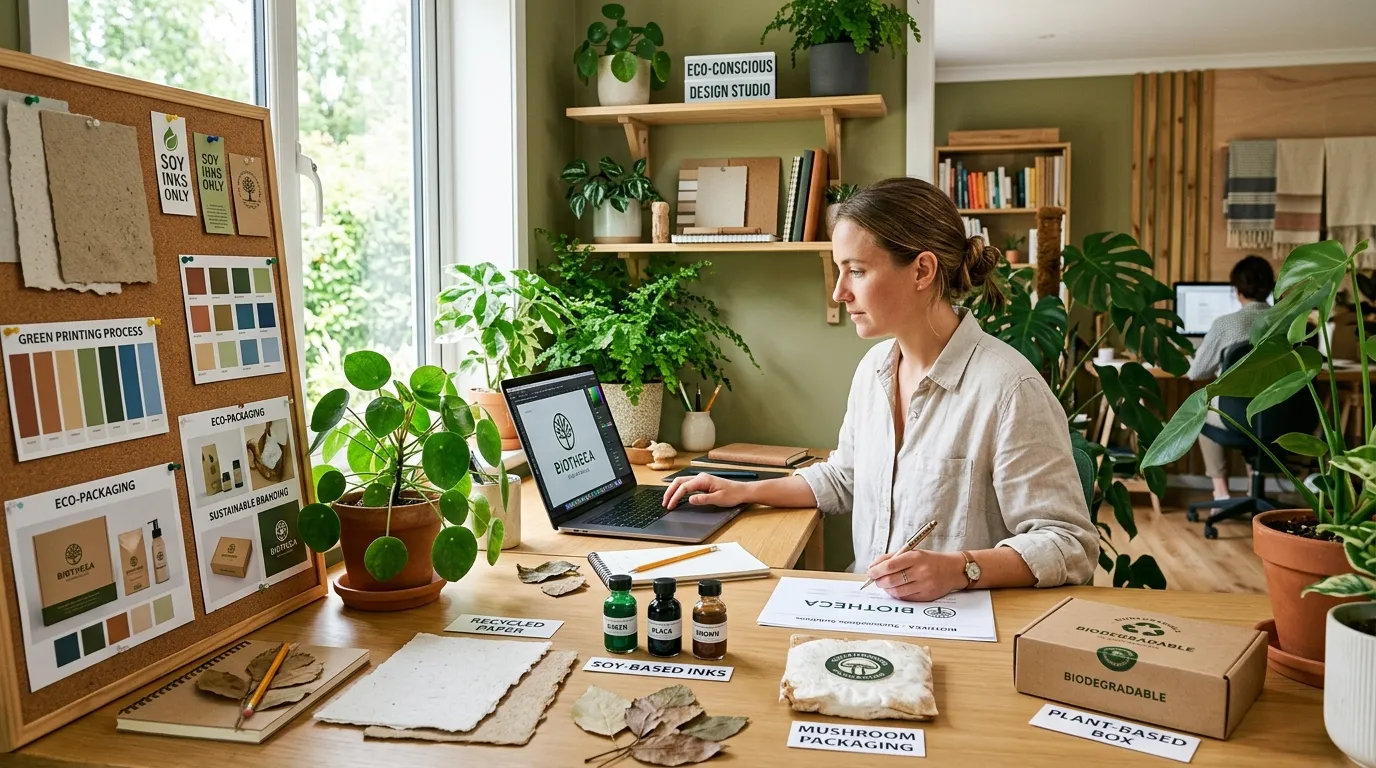
The professional networking landscape continues shifting rapidly toward sustainable practices. We are actively moving toward a future where single-use paper items face heavy scrutiny from consumers and partners alike. The integration of smart technology and environmentally friendly business cards will undoubtedly continue to grow and evolve.
Physical networking tools will never fully disappear, but their specific role is rapidly changing. They are transforming from disposable information vessels into premium, highly memorable brand artifacts. The emphasis moving forward will heavily remain on undeniable quality, strict sustainability, and seamless technological integration.
Switching to environmentally friendly business cards serves as a simple, highly effective way to demonstrate your unyielding commitment to environmental stewardship. By choosing sustainable materials and utilizing green printing methods, you dramatically reduce your corporate waste output. Take a close look at your current networking materials today. Make the vital switch, and ensure your absolute first impression is a distinctly green one.
Frequently Asked Questions
Why should I switch to environmentally friendly business cards?
Switching reduces deforestation, keeps toxic inks out of ecosystems, and lowers your company’s carbon footprint. These cards also powerfully enhance your brand image by showcasing your commitment to sustainability. They help you instantly connect with eco-conscious consumers.
Are environmentally friendly business cards more expensive?
While premium materials like wood or metal have a higher upfront cost, they function as a superior marketing investment. Because they are rarely thrown away, they offer a better return on investment. Smart metal cards also eliminate future reprinting costs entirely.
What is the best material for environmentally friendly business cards?
The best material entirely depends on your specific brand identity and networking goals. Post-consumer recycled paper is great for large teams, while seed paper suits organic brands perfectly. Bamboo and recycled metal offer unmatched durability for premium services.
Do environmentally friendly business cards look professional?
Yes, sustainable cards often look much more professional and luxurious than standard glossy cardstock. Materials like organic cotton, wood, and heavy recycled paper feature unique textures that command attention. A minimalist design further enhances their sophisticated appearance.
How do plantable environmentally friendly business cards work?
Plantable cards are made from biodegradable paper embedded with small seeds, like wildflowers or herbs. After saving your contact details, the recipient simply places the card under a thin layer of soil and waters it. The paper safely composts away while the seeds sprout and grow.
Can I print colorful designs on environmentally friendly business cards?
You can absolutely print vibrant, colorful designs using sustainable methods. Ensure your chosen printer uses soy-based or vegetable-based inks instead of traditional petroleum inks. These eco-friendly inks produce sharp, bright colors while remaining completely biodegradable.
Are digital cards better than environmentally friendly business cards?
Digital apps are convenient, but they lack the memorable, tangible connection of a physical card. The best approach blends both methods by using a physical sustainable card equipped with a QR code or NFC chip. This gives you the physical impact without ongoing paper waste.
How do I know if my printer actually makes environmentally friendly business cards?
You should look for printers that hold recognized environmental certifications like the Forest Stewardship Council (FSC) or Green Seal. Ask them directly about their specific waste management protocols and whether they use renewable energy. Transparent printers will gladly share this information.
Do environmentally friendly business cards fit in a standard wallet?
Yes, regardless of whether you choose recycled paper, wood, cotton, or metal, these cards are cut to standard wallet dimensions. They remain highly convenient for recipients to carry and store. Even thicker materials like bamboo are designed to remain pocket-friendly.
How else can my business become more sustainable?
Beyond upgrading your networking materials, you can reduce energy usage, minimize office waste, and optimize your supply chain. For facilities management, consider upgrading your building’s climate control. Learn about green AC systems to significantly lower your corporate energy consumption.
