

In today’s digital landscape, making mindful choices about your purchases has never been more crucial. When it comes to personal health and environmental welfare, organic goods stand at the forefront of sustainable living. Yet, knowing how to choose the Best Organic Products for Your Lifestyle can feel overwhelming with an ever-growing array of labels, certifications, and marketing claims. Whether you’re a dedicated eco-advocate or someone exploring healthier options, this detailed guide empowers you to navigate organic aisles confidently. You will gain insights into the benefits of certified products, learn to decode common misconceptions, understand vital seals like USDA Organic, and develop practical strategies for budget-friendly shopping.
Throughout this article, we’ll dive deep into the essentials of selecting quality items, from fresh produce and pantry staples to personal care and household goods. You’ll discover tips backed by authoritative sources such as the United States Department of Agriculture (USDA) and the Environmental Protection Agency (EPA). By the end, you’ll feel equipped to make informed decisions that nurture your well-being, support sustainable agriculture, and reduce your environmental footprint.
Why Organic Quality Matters for Health and the Environment
When considering how to choose the Best Organic Products for Your Lifestyle, it’s essential to understand why organic standards exist in the first place. Organic farming centers on practices that enhance soil fertility, protect biodiversity, and eliminate synthetic chemicals. Research from institutions like the World Health Organization underscores the link between pesticide exposure and various health concerns, making the shift to organic a proactive step toward reducing potential risks.
One of the most significant advantages of organic produce is the minimized presence of residual chemicals. Conventional agriculture often relies on a suite of synthetic pesticides and herbicides to maximize yields. Over time, trace levels of these compounds can accumulate in fruits, vegetables, and grains. By choosing certified organic fruits and vegetables, you limit your family’s intake of substances linked to endocrine disruption, neurological effects, and other long-term health challenges.
Beyond personal well-being, organic practices contribute to ecosystem resilience. Healthy soils brimming with organic matter act as carbon sinks, sequestering greenhouse gases and mitigating climate change impacts. Additionally, organic farms often support a richer variety of pollinators and beneficial insects, which are vital for the reproduction of countless plant species. In this way, your purchasing decisions influence broader environmental benefits, supplying demand for farming methods that respect natural cycles.
Nutritional Considerations
- Enhanced micronutrient levels: Studies show organic crops can have higher concentrations of antioxidants.
- Improved fatty acid profiles: Organic dairy and meats often contain more omega-3s compared to conventional alternatives.
- No synthetic additives: Organic labeling prohibits artificial preservatives and colors, leading to cleaner ingredient lists.
Ecological Impact
- Soil health preservation through crop rotation and cover cropping.
- Reduction of water contamination by avoiding synthetic fertilizers.
- Promotion of biodiversity, including wildlife habitats and pollinator-friendly landscapes.
Debunking Common Misconceptions About Organic Products
In the journey of learning How to Choose the Best Organic Products for Your Lifestyle, you may encounter misleading claims and myths that can cloud your decisions. Clarifying these misconceptions helps you shop with confidence and avoid common pitfalls.
Myth 1: Organic Means Pesticide-Free
Contrary to popular belief, organic certification does not guarantee 100% pesticide-free produce. Instead, it restricts the use of synthetic chemicals to approved natural substances. These organic-compliant pesticides undergo strict evaluation for toxicity and environmental impact, ensuring they remain safer alternatives compared to conventional options.
Myth 2: “Natural” Is Equivalent to Organic
Products labeled “natural” may still contain synthetic ingredients unless they bear an actual organic certification seal. Regulatory bodies do not enforce a unified definition of “natural,” so trusted badges like USDA Organic are the only reliable indicator of comprehensive adherence to organic criteria.
Myth 3: Organic Always Equals Local
While supporting local agriculture has its own benefits, “local” and “organic” are distinct attributes. A locally grown item may not meet organic standards, and imported organic goods might travel long distances. Ideally, combining organic certification with local sourcing maximizes both freshness and sustainability.
Myth 4: Organic Products Are Less Nutritious
Multiple studies from universities like Cornell and Harvard indicate that organic produce can offer equal or superior levels of certain vitamins and minerals. Variations in nutrient content often depend on soil quality, varietal choices, and post-harvest handling rather than organic status alone.
Tips to Avoid Greenwashing
- Look beyond marketing buzzwords: Terms such as “pure,” “clean,” or “eco-friendly” lack standardized definitions.
- Verify certification seals: Only recognized emblems like USDA Organic or EU Organic guarantee rigorous compliance.
- Read the ingredient breakdown: Fewer, recognizable components usually signify a less processed product.

Decoding Organic Certifications and Seals
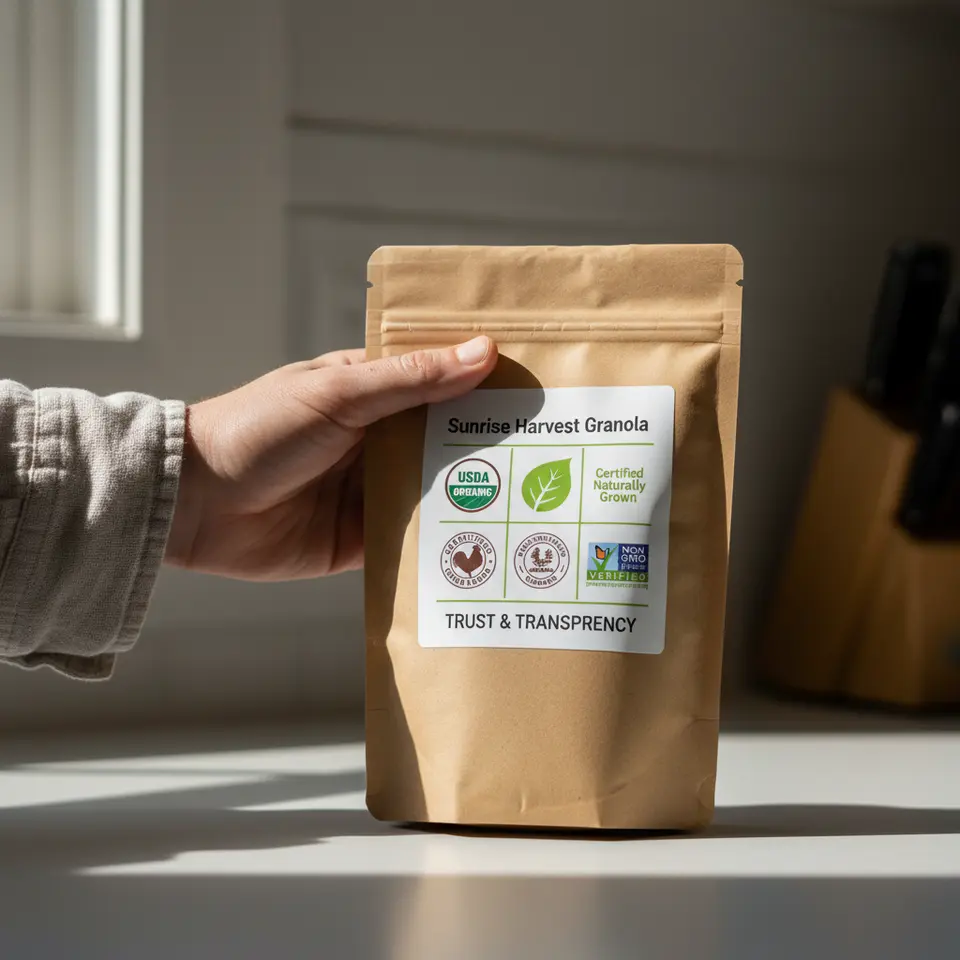
Understanding labels is a cornerstone of How to Choose the Best Organic Products for Your Lifestyle. In today’s marketplace, a variety of certifying bodies ensure that organic claims meet strict guidelines. Familiarizing yourself with these seals helps you shop effectively and avoid misleading packaging.
USDA Organic
Administered by the United States Department of Agriculture, this seal indicates at least 95% of ingredients are organically produced, with the remaining 5% limited to approved non-organic additives. Products bearing this badge must follow stringent soil and water conservation practices and prohibit genetic engineering.
EU Organic
Sourced or sold within the European Union, this logo requires 95% organic content and enforces strict monitoring along the supply chain. EU Organic also restricts certain non-organic processing aids and mandates transparent origin labeling.
Certified Naturally Grown
A community-based certification focusing on small-scale farms, this label offers a grassroots alternative to government-backed programs. While its standards align closely with USDA Organic, auditing is conducted peer-to-peer, emphasizing local involvement.
Non-GMO Project Verified
Although not synonymous with organic certification, this verification guarantees ingredients are free from genetically modified organisms. It complements organic standards by offering an extra layer of genetic purity, especially important for processed foods.
Understanding “Made with Organic Ingredients”
Products using this phrase must contain at least 70% organic content but cannot display the full USDA Organic seal. They often list the organic components on the front label, providing transparency into the product’s makeup.
- Check for third-party audits by organizations like NSF or QS to ensure credibility.
- Look up certifiers’ websites to confirm current certification status.
- Scan ingredient lists for hidden synthetics such as emulsifiers or artificial flavors.
Exploring Key Organic Product Categories
With a robust understanding of certifications, you can tailor your approach across diverse categories. Each group presents unique selection criteria that impact taste, nutrition, and environmental footprint.
Fresh Produce
Seasonality and locality matter most. Choose in-season fruits and vegetables to enjoy peak flavor and nutrient density. Organically grown crops often boast richer colors and fuller aromas due to minimal synthetic intervention. Inspect each item for firmness, aroma, and minor blemishes; these natural imperfections signal absence of harsh chemical treatments.
Dairy, Eggs, Meat, and Poultry
Organic dairy and eggs originate from animals fed non-GMO, organic feed and raised without routine antibiotics or growth hormones. Research from the USDA highlights higher omega-3 fatty acid levels in organic milk. When selecting meat or poultry, look for humane handling assurances and pasture-based labels, which further indicate higher welfare standards and richer flavor profiles.
Pantry Staples
Switching everyday items—such as grains, legumes, and nuts—to organic versions can profoundly influence your overall diet. Opt for whole grains like brown rice or quinoa, and choose single-ingredient beans free from added oils or salts. Store these staples in airtight containers to preserve freshness and reduce oxidation.
Oils and Sweeteners
Cold-pressed extra-virgin olive oil and unrefined coconut oil preserve antioxidants and natural flavors. For sweetening, raw honey, organic maple syrup, and unrefined cane sugar offer alternatives to industrial white sugar. Check Moroccan and Canadian certifications on maple syrup for additional quality assurance.
Beverages
Tea, coffee, juices, and kombucha with organic designations avoid artificial preservatives and flavorings. Some specialty coffees also feature fair-trade seals, aligning with ethical sourcing practices. Steeped tea bags are best when they use compostable materials.
Personal Care and Textiles
What you apply externally absorbs into your body over time. Choose skincare, haircare, and cosmetics built from organic botanicals and free of parabens, phthalates, and synthetic fragrances. Additionally, organic cotton textiles support farms practicing water conservation and restricted chemical usage, making garments and linens healthier for your skin and the planet.
Sustainable Shopping Guide for Organic Products
In today’s health-conscious world, organic products have become a key part of sustainable and mindful living. People are increasingly choosing organic options not only for personal well-being but also to support environmentally friendly farming practices. However, with so many labels, price ranges, and marketing claims in the market, selecting the right products can still be confusing. Understanding how to evaluate quality, certifications, and sourcing methods is essential for making smarter purchasing decisions in 2026.
When choosing organic products, consumers should focus on authenticity, certification standards, and ingredient transparency. This ensures that what you are buying truly follows organic principles rather than just using “green” marketing claims. By building awareness and following a structured approach, anyone can gradually shift toward a healthier and more sustainable lifestyle.
Key Factors to Consider When Choosing Organic Products
- Check certified labels like USDA Organic or EU Organic
- Review ingredient lists for synthetic additives or hidden chemicals
- Prefer seasonal and locally sourced organic items
- Compare prices and buy in bulk when possible
- Research brand transparency and farming practices
Benefits of Using Organic Products
| Area | Impact of Organic Products | Why It Matters |
|---|---|---|
| Health | Reduced exposure to chemicals | Supports long-term wellness |
| Environment | Sustainable farming methods | Protects soil and biodiversity |
| Nutrition | Often richer in antioxidants | Enhances diet quality |
| Lifestyle | Cleaner daily consumption | Promotes mindful living |
| Economy | Supports local farmers | Strengthens rural communities |
By integrating organic products into daily life gradually, consumers can create a balanced approach that supports both personal health and environmental sustainability. Small, consistent choices lead to long-term positive impact.
Common Mistakes to Avoid When Buying Organic Products
While choosing organic products, many consumers assume that any label with “organic” or “natural” automatically guarantees quality. In reality, misleading packaging and lack of awareness often lead to poor purchasing decisions. Understanding common mistakes can help you shop smarter and ensure you are truly getting authentic organic value.
One of the biggest errors is relying only on marketing terms instead of verified certifications. Another common issue is ignoring ingredient lists, especially in processed foods and personal care items. Many people also overpay for products that are only partially organic or not certified at all. By becoming more informed, you can avoid these pitfalls and make better long-term choices for your health and lifestyle.
Key Mistakes Consumers Often Make
- Trusting “natural” labels without certification
- Not checking ingredient transparency
- Ignoring certification validity and authenticity
- Assuming all organic products are 100% chemical-free
- Overlooking price vs. value comparison
How to Shop Smarter for Organic Products
| Mistake | Better Approach | Result |
|---|---|---|
| Relying on marketing claims | Verify USDA/EU certification | Ensures authenticity |
| Ignoring ingredient lists | Read the full composition | Avoids hidden chemicals |
| Buying without comparison | Compare brands and prices | Better value for money |
| Overbuying processed organic items | Prefer whole foods | Healthier diet |
| Not checking expiry dates | Always verify freshness | Better quality consumption |
By avoiding these common mistakes, you can make more confident decisions when selecting organic products and ensure that your purchases truly align with a healthy and sustainable lifestyle.
Practical Strategies for Organic Shopping on Any Budget
Embracing how to choose the Best Organic Products for Your Lifestyle shouldn’t require an extravagant budget. Thoughtful planning and resourceful shopping methods allow you to enjoy quality organic goods without overspending.
Plan Around Sales and Seasonal Harvests
Monitor weekly store flyers and digital apps to time purchases of organic produce and staples during promotional periods. Bulk up your pantry with discounted grains, legumes, and flours when prices dip. Combine sale items into meal plans, reducing waste and saving money.
Community Supported Agriculture (CSA)
Joining a CSA program connects you directly with local farmers, delivering seasonal produce boxes at competitive rates. This model promotes transparency, supports the local economy, and reduces packaging waste. Many CSAs allow customization to avoid unwanted items and maximize value.
Bulk Buying and Frozen Alternatives
Purchasing beans, nuts, seeds, and grains in larger quantities often cuts per-unit costs. For perishable fruits and vegetables, frozen options can be equally nutritious and more affordable, with the added benefit of year-round availability. Keep frozen produce organized by date to ensure usage before freezer burn occurs.
DIY Solutions
Create homemade cleaners, laundry detergents, and personal care items using staple ingredients like organic apple cider vinegar, baking soda, and essential oils. This approach reduces reliance on packaged products and ensures ingredient transparency. You can craft face masks, hair treatments, and natural disinfectants that are gentle yet effective.
Shop Local and Build Relationships
Visit farmers markets to engage directly with growers. Inquire about farming methods, observe product freshness, and sometimes negotiate discounts at day’s end. Cultivating a rapport with vendors can yield insider tips on upcoming harvests and limited-time offerings, as well as invitations to farm tours or workshops.
How to Store and Preserve Organic Products for Maximum Freshness
Proper storage plays a major role in maintaining the quality of organic products. Since organic items often contain fewer artificial preservatives, they tend to spoil faster if not handled correctly. Understanding how to store different categories of organic goods can help you reduce waste, preserve nutrients, and get the best value from your purchases.
Fresh organic produce, pantry staples, and packaged items each require different storage methods. Simple habits like controlling temperature, using airtight containers, and separating certain fruits and vegetables can significantly extend shelf life. With the right approach, you can enjoy fresher meals while maintaining the benefits of organic living.
Best Practices for Storing Organic Products
- Keep fresh fruits and vegetables in proper refrigeration zones
- Use airtight glass or BPA-free containers for dry goods
- Store leafy greens wrapped in breathable paper towels
- Separate ethylene-producing fruits (like bananas) from others
- Avoid over-washing produce before storage to prevent moisture damage
Storage Guide for Different Organic Categories
| Category | Storage Method | Key Tip |
|---|---|---|
| Fresh Produce | Refrigerate in crisper drawers | Keep humidity balanced |
| Dry Goods (grains, nuts) | Airtight containers in a cool place | Prevent moisture exposure |
| Dairy & Eggs | Store at a consistent cold temperature | Avoid frequent temperature changes |
| Oils & Sweeteners | Keep away from heat and sunlight | Preserve nutrients and flavor |
| Herbs | Wrap in a damp paper towel or freeze | Extend the freshness longer |
By following these storage strategies, you can maximize the shelf life and quality of your organic products, ensuring that your investment in healthy living remains both practical and sustainable.
Frequently Asked Questions
What does the USDA Organic label guarantee?
The USDA Organic seal ensures that at least 95% of the ingredients are certified organic. It also mandates practices like soil conservation, no genetic engineering, and strict limits on non-organic additives for the remaining 5%.
Are organic products significantly more nutritious?
While nutrient content can vary based on factors like soil quality and crop variety, studies indicate organic produce often has higher antioxidant levels and, in the case of dairy and meats, improved fatty acid profiles.
How can I verify an organic label’s authenticity?
Look for recognized certification seals such as USDA Organic or EU Organic, check certifiers’ websites for up-to-date status, and review ingredient lists for hidden synthetic additives.
Can I trust products labeled “natural”?
The term “natural” is not strictly regulated, so it does not guarantee organic standards. Always look for a certified organic seal to confirm comprehensive compliance.
Is buying organic worth the extra cost?
Shopping for organic products offers health, environmental, and ethical benefits. Budget-friendly strategies like planning around sales, joining CSAs, and buying in bulk can help manage costs without sacrificing quality.
Conclusion
In an era marked by environmental concerns and health awareness, mastering how to choose the Best Organic Products for Your Lifestyle empowers you to make purchases that align with your values. From understanding the significance of organic certifications to deploying savvy shopping tactics, this guide has outlined practical steps you can implement today. Start by gradually swapping a few conventional items for their organic counterparts, and watch as your pantry evolves into a curated collection of nourishing, eco-friendly selections. Each purchase supports sustainable agriculture, fosters healthier ecosystems, and helps safeguard your well-being. Remember, small, informed changes compound over time, allowing you to enjoy the full spectrum of benefits that organic living offers. The journey toward mindful consumption begins at your next trip to the store—so embrace the process and celebrate the positive impact of your choices.
