


Organic products improve health by reducing chemical exposure while enhancing nutrient intake. They also support sustainability through eco-friendly farming, soil protection, and biodiversity, making them essential choices for healthier lifestyles and a greener, more responsible future.
Shoppers constantly evaluate how their daily purchasing habits influence personal well-being and the environment. You want to support community prosperity while protecting your family from harmful synthetic chemicals. Organic products have emerged as a powerful, reliable solution for individuals seeking items free from toxic pesticides, genetically modified organisms (GMOs), and excessive processing.
Understanding what sets organic products apart helps you make informed, empowering choices. These choices align perfectly with your personal values and long-term lifestyle goals. The organic movement spans fresh produce, dairy, grains, personal care items, textiles, and household goods. Strict regulations and rigorous certification standards govern every single category to ensure total consumer safety.
This comprehensive guide explores the core principles underpinning certification and eco-friendly farming. We will examine the extensive health benefits and positive environmental impacts of these goods. You will discover practical strategies for integrating organic products into your everyday routines seamlessly. We provide actionable tips to support a healthier body, a thriving planet, and equitable global economies.
What Defines Organic Products?

Organic products follow a unified set of principles applied through region-specific agricultural regulations. Governments and independent bodies strictly monitor how farmers grow, handle, and process these items.
Principles of Organic Production
Three foundational principles guide organic farming and eco-friendly manufacturing. First, soil health remains paramount. Practitioners build natural fertility through composted plant matter, cover crops, and minimal tillage. Second, farmers nurture biodiversity by integrating buffer zones, hedgerows, and flower strips that attract essential pollinators and beneficial insects.
Third, resource cycling takes center stage. Farmers repurpose on-farm materials as natural fertilizers or animal feed to reduce external dependencies and eliminate waste. These principles ensure that organic products support long-term sustainability rather than short-term extraction.
The Role of Traditional Agricultural Knowledge
Many organic practices have their roots in traditional wisdom, drawing from indigenous farming methods that preserve ecological balance. Integrating ancient crop rotation, companion planting, and use of heirloom seeds supports not only sustainability but also the preservation of local food culture. Recognizing this connection allows eco-friendly agriculture to thrive within modern systems.
Certification and Accountability
Organic certification is more than a label—it is a holistic, transparent system emphasizing full traceability, worker safety, and environmental ethics. Audit trails, surprise inspections, and documentation hold producers accountable, ensuring that only genuinely eco-friendly organic products reach consumers.
Chemical Restrictions and Global Standards
Under recognized global certification programs, any application of synthetic chemicals or GMOs is strictly forbidden. Instead, pest management relies heavily on beneficial organisms, physical barriers, and approved natural botanical extracts. For instance, products bearing the USDA Organic seal must consist of at least 95% organic ingredients. The remaining portion must comply with strict non-synthetic criteria.
Internationally, the EU Organic logo, Japan’s JAS mark, and Canada’s Organic Regime follow highly comparable frameworks. In non-food sectors, standards like the Global Organic Textile Standard (GOTS) ensure transparency and integrity. This guarantees the sustainability of non-food organic products throughout production.
The Health Benefits of Organic Products
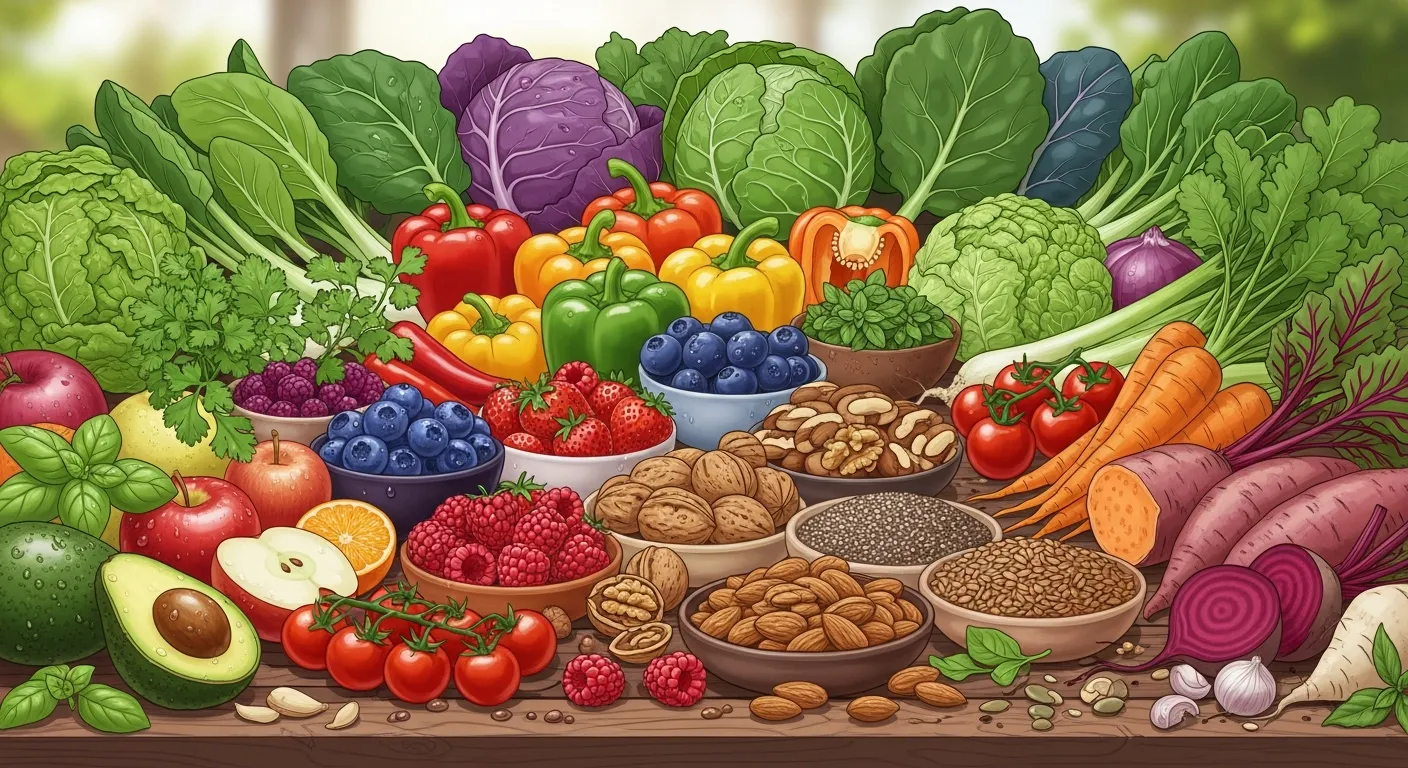
Choosing certified organic products can have a significant impact on human health. Multiple research sources now connect organic consumption to a decreased risk of toxic chemical exposure, improved nutrient intake, and reduced food sensitivity incidents.
Reduced Chemical Exposure
By selecting organic products, you instantly reduce the likelihood of ingesting trace amounts of synthetic herbicides and insecticides. Over time, cumulative exposure to these toxic compounds is associated with hormone disruption, neurological effects, and other chronic health concerns.
Organic certification ensures that chemical residues remain below detectable levels. This offers a much safer choice for your daily consumption. You protect your body’s natural detoxification systems by avoiding these unseen chemical burdens entirely.
Fewer Allergens and Additives
Organic standards bar artificial preservatives, flavor enhancers, colorants, and common allergens such as sulfites or MSG. Choosing organic products can be a game-changer for people with sensitivities wishing to avoid these hidden ingredients.
Hormone and Antibiotic-Free Proteins
Conventional livestock farming often relies on antibiotics and growth hormones, which can enter the food supply and affect human health. Organic meat, eggs, and dairy must come from animals never routinely given antibiotics or growth promoters. The resulting proteins offer vastly cleaner labels and are an important consideration for families seeking health benefits and safety.
Enhanced Nutrient Profiles
Emerging evidence suggests that certain organic products boast higher concentrations of antioxidants, vitamins, and minerals compared to conventional counterparts. Researchers theorize that plants grown without synthetic nitrogen sources develop more robust natural defense compounds. These include powerful flavonoids and polyphenols, thereby increasing their overall nutritional value.
Consuming a variety of organic fruits and vegetables contributes to a diet rich in these protective phytonutrients. You can explore more about these dietary advantages by reading about the health benefits of organic.
Superior Taste and Freshness
Many consumers report that organic products, especially fruits and vegetables, taste fresher and more flavorful. These sensory differences may be a result of higher nutrient density, the absence of waxes or ripening agents, and more local sourcing strategies that reduce transit time.
Wholesome Personal Care Options
Beyond food, organic standards extend deeply into cosmetics and skincare formulations. Certified organic products avoid parabens, phthalates, synthetic fragrances, and other dangerous additives. As a result, individuals with sensitive skin or allergies often experience fewer irritations and improved overall skin health.
Choosing organic products with recognized seals assures you that botanical extracts and oils are sustainably sourced. These eco-friendly options keep your daily grooming routine free from harmful, synthetic residues. Discover further details regarding the health benefits organic.
Organic Pet Products
The movement extends to our animal companions. Organic pet food, treats, and grooming products are free from artificial fillers and harsh additives. These eco-friendly choices support pets’ well-being and reduce their exposure to potential toxins.
Environmental Benefits and Sustainability
Organic agriculture plays a truly pivotal role in safeguarding our delicate ecosystems and tackling global environmental challenges. By eliminating most synthetic inputs, eco-friendly farming preserves soil structure and mitigates rapid biodiversity loss.
Soil Health Restoration
Healthy soil underpins global food security and long-term agricultural sustainability. Organic producers enhance soil organic matter through heavy compost addition, green manures, and animal manure rotations. This active building of soil structure improves water infiltration and promotes the growth of highly beneficial microorganisms.
Over time, soils managed organically can sequester massive amounts of carbon. This direct carbon sequestration contributes heavily to global climate mitigation efforts. Protecting our soil ensures that organic products remain viable for future generations.
Soil Erosion Control
Cover crops and minimal tillage reduce soil erosion, helping prevent fertile topsoil from being lost during wind and rainstorms. Maintaining rich topsoil preserves not only farm productivity but also local water quality—another eco-friendly impact of the organic approach.
Biodiversity Protection
By avoiding broad-spectrum synthetic pesticides, organic farms foster safe habitats for pollinators, birds, and predatory insects. These creatures naturally regulate crop pest populations without the need for toxic interventions. Flower strips, wide buffer zones, and dense hedgerows create vital wildlife corridors.
This ecological resilience drastically reduces reliance on chemical interventions. It supports long-term agricultural productivity and ensures genuine sustainability across the farming sector.
Supporting Endangered Species
Many organic farms voluntarily set aside land for habitat conservation, helping protect endangered native plants and animals. The preservation of hedgerows, ponds, and wildflower meadows supports broader biodiversity and sustains regional ecosystems.
Lower Carbon Footprint and Water Conservation
Organic operations often employ advanced water-saving techniques like drip irrigation and heavy mulching. These eco-friendly practices curtail evaporation and optimize natural moisture retention. Additionally, reduced dependence on energy-intensive synthetic fertilizer production translates to much lower greenhouse gas emissions.
These sustainable strategies align perfectly with global efforts to combat climate change. They conserve precious water reserves while delivering high-quality organic products to your local market.
Less Packaging, Less Waste
Many organic brands embrace minimal or compostable packaging to reduce their environmental footprint. Bulk bins, glass jars, and biodegradable wraps are increasingly common. These innovations support sustainability while serving conscious consumer demand for eco-friendly products.
Varieties of Eco-Friendly Organic Goods Available Today
The organic label now encompasses an incredibly extensive array of products, catering to nearly every aspect of modern living. Whether you seek nutritional staples, personal care essentials, or eco-friendly home items, certified organic options abound.
Organic Foods and Beverages
From crisp leafy greens and heirloom tomatoes to grains, beans, dairy, and meat, the organic food aisle offers highly diverse choices. Beverages such as cold-pressed juices, organic coffees, and teas adhere to stringent eco-friendly farming protocols. This ensures top-tier quality and minimal chemical input from farm to glass.
Organic Snacks and Packaged Foods
The snack aisle is now full of organic options—chips, crackers, nut butters, and granola bars that skip artificial sweeteners and preservatives.
Organic Textiles and Apparel
Certified fabrics like organic cotton, hemp, and bamboo are spun, dyed, and woven under strict sustainability standards. These guidelines prohibit toxic chemicals completely. The Global Organic Textile Standard guarantees fiber integrity through every single stage of production. This results in clothing and bedding that are soft, breathable, and much safer for the environment.
Organic Baby Products
Parents increasingly seek organic clothing, bed linens, and toys for infants. These goods are gentle on delicate skin and help protect babies from exposures to residues found in conventional textiles.
Organic Skincare and Cosmetics
Consumers can easily choose from a broad selection of organic products like soaps, lotions, serums, and makeup. These eco-friendly items prioritize botanical extracts, essential oils, and natural preservatives. They heavily minimize synthetic fragrances and artificial stabilizers that routinely cause skin irritation.
Organic Oral and Hair Care
Toothpastes and hair care products with organic certifications avoid sodium lauryl sulfate, parabens, and artificial dyes. These choices support long-term health and are gentler for sensitive skin and scalps.
Household and Cleaning Products
Biodegradable, plant-based cleaners offer highly effective sustainability solutions for your home without harmful fumes. Organic-certified cleaning agents rely strictly on natural enzymes, natural solvents, and renewable ingredients. They tackle heavy grease and deep stains while remaining perfectly gentle on your pipes and local water systems.
Indoor Air Quality
Organic home products, such as candles made from soy or beeswax and natural air fresheners, contribute to cleaner indoor air compared to traditional chemical-based alternatives.
Identifying Genuine Organic Products and Smart Buying Strategies
Navigating the rapidly growing market of eco-friendly offerings requires vigilance to avoid highly misleading labels. By combining strict authenticity checks with savvy shopping tactics, you can easily build a sustainable routine.
Authenticity Checks
You must always look for recognized certification seals on the packaging. The USDA Organic emblem certifies that a product contains at least 95% organic ingredients by total weight. For non-food items, actively seek out GOTS for textiles and COSMOS for your daily cosmetics.
Read ingredient lists very carefully. Products labeled merely as “natural” or “eco-friendly” rarely meet full organic standards. Third-party verifiers always add an essential extra layer of assurance against corporate greenwashing.
Online Verification and QR Codes
Some brands offer QR codes on packaging that allow customers to trace products all the way to their farm origin. This transparency brings consumers closer to the people and places behind their purchases.
Budget-Friendly Strategies
Organic choices become much more affordable when you employ smart, eco-friendly shopping practices. Purchase seasonal produce during local harvest peaks to benefit from lower prices driven by natural abundance. Buy pantry staples such as beans, grains, and nuts in bulk to reduce your total cost per ounce.
Community Supported Agriculture programs often provide weekly shares of farm-fresh organic products at wholesale rates. Comparing unit prices across different brands helps you spot the best deals quickly.
Price Comparison Apps
Leverage digital tools and price comparison apps dedicated to organic products. These platforms aggregate deals across stores, provide alerts for discounts, and help you maximize your sustainability goals on a budget.
Grow Your Own
If space permits, home gardening is a rewarding way to produce affordable, pesticide-free vegetables and herbs. Even small windowsill gardens can offer eco-friendly bounty year-round.
Our Top Ten Organic Products

We compiled a list of the absolute best organic products to help you embrace complete sustainability. These eco-friendly items offer incredible health benefits and protect our planet simultaneously.
1. Organic Kale
Packed with essential vitamins K, C, and vital antioxidants. Organic kale remains ideal for healthy salads, morning smoothies, and dinner sautés.
2. Organic Greek Yogurt
Rich in natural probiotics and high-quality protein. Always opt for plain varieties to avoid unnecessary added sugars and maximize health benefits.
3. Organic Extra-Virgin Olive Oil
Cold-pressed, totally unrefined, and heavily loaded with heart-healthy monounsaturated fats. It forms the perfect base for eco-friendly cooking.
4. Organic Quinoa
A complete plant protein featuring all nine essential amino acids. It serves as the perfect, sustainable base for hearty bowls and fresh salads.
5. Organic Avocado Oil
Boasts a very high smoke point, making it perfectly suitable for frying, roasting, and outdoor grilling without degrading its health benefits.
6. Organic Shea Butter Soap
Incredibly gentle and deeply moisturizing. True organic soap remains completely free from synthetic fragrances and harsh chemical sulfates.
7. Organic Cotton Sheets
Soft, highly breathable eco-friendly bedding crafted entirely without toxic chemical finishes, artificial dyes, or synthetic blends.
8. Organic Green Tea
Brimming with powerful antioxidants and providing a gentle, sustained energy boost without the harsh crash of conventional energy drinks.
9. Organic Dark Chocolate
Look for sustainable bars featuring 70% cacao or more. The best organic products sweeten their chocolate with natural, eco-friendly alternatives.
10. Organic All-Purpose Cleaner
Plant-derived natural enzymes and mild surfactants tackle tough household dirt entirely without emitting dangerous, harmful chemical fumes.
|
Product Category |
Top Recommendation |
Primary Health/Eco Benefit |
|---|---|---|
|
Produce |
Organic Kale |
High antioxidant density, zero pesticides. |
|
Pantry Staples |
Organic Quinoa |
Sustainable complete protein source. |
|
Personal Care |
Organic Shea Soap |
Sulfate-free, protects skin barrier. |
|
Home Goods |
Organic Cotton Sheets |
Chemical-free, supports sustainable farming. |
Further diversifying your list with organic chia seeds, apples, tomatoes, and oats will also round out your eco-friendly pantry for optimal health benefits and sustainability impacts.
Frequently Asked Questions
What does the USDA Organic seal actually guarantee?
The USDA Organic seal ensures that a product contains at least 95% organic ingredients by weight. It strictly prohibits the use of synthetic pesticides, artificial fertilizers, and GMOs. This eco-friendly certification process requires rigorous farm inspections to maintain total sustainability.
Are organic products more nutritious than conventional ones?
Research indicates that many organic products have significantly higher levels of antioxidants, vitamins, and essential minerals. Plants develop these nutrients as natural stress responses without synthetic fertilizers. You can explore more choices by reviewing the top 10 organic products to boost your health the planet.
How can I identify genuine organic textiles?
You should always look for the Global Organic Textile Standard certification on clothing labels. This strict standard covers the entire textile supply chain and prohibits toxic processing chemicals completely. It ensures responsible water usage, fair labor practices, and overall eco-friendly sustainability.
Is buying organic products worth the extra cost?
While organic products often cost slightly more upfront, they provide immense long-term health benefits. You avoid toxic chemical exposure and actively support sustainable, eco-friendly farming practices. Buying seasonal produce and purchasing bulk items easily mitigates these extra expenses.
Do organic products taste better than conventional ones?
Many consumers actively report that organic fruits and vegetables offer a much richer, highly complex flavor profile. Because organic plants grow without synthetic fertilizers, they develop higher concentrations of natural flavor compounds. This natural, eco-friendly stress response usually results in vastly more flavorful crops.
Are natural products the same as organic products?
No, the term “natural” is completely unregulated and usually means the product lacks artificial colors. “Organic” is a strictly legally defined term requiring rigorous third-party inspections to verify sustainability. To understand this difference further, read the full guide to organic products health.
Can household cleaning items be certified organic?
Yes, you can easily find eco-friendly cleaning agents that receive official organic certification. Manufacturers use organically grown raw materials and completely avoid harsh, toxic synthetic processing chemicals. These organic products keep your home clean without emitting dangerous, volatile fumes.
Does washing conventional produce remove all pesticides?
Washing absolutely helps remove surface dirt and some lingering chemical residues from your conventional produce. However, many systemic pesticides absorb deeply into the actual flesh of the fruit or vegetable. Purchasing certified organic products remains the only reliable way to avoid these hidden synthetic chemicals completely.
How does organic farming help fight climate change?
Organic farming promotes deep sustainability by improving soil health and drastically reducing water pollution. Healthy, organic soil sequesters massive amounts of carbon directly from the atmosphere. To learn more about this eco-friendly impact, check the top 10 organic products to boost your health the planet.
Is organic meat better for overall animal welfare?
Organic livestock regulations strictly mandate that animals receive year-round access to open pastures. Farmers must feed them a 100% organic diet and cannot use preventative antibiotics or artificial growth hormones. These eco-friendly rules ensure a significantly higher standard of living and health benefits for the animals.
Can switching to organic products really make a difference for the planet?
Absolutely. Consistently choosing organic products reduces chemical runoff, supports biodiversity, and minimizes your personal environmental footprint. Each eco-friendly purchase signals consumer demand for more responsible, sustainable systems, helping drive industry-wide change toward a healthier, more sustainable planet for all.
Conclusion
Choosing organic products today serves as both a personal health investment and a bold declaration of environmental stewardship. By understanding the rigorous sustainability standards behind certified eco-friendly labels, you heavily reduce your exposure to synthetic chemicals. You get to enjoy nutrient-rich foods and actively support farming systems that nurture biodiversity and natural soil vitality.
Whether you focus on food items, personal care, textiles, or cleaning supplies, authentic organic products are increasingly accessible. Employing smart shopping tactics enables you to embrace organic living easily without overspending your budget. Every purchase decision carries massive weight, so start small, stay informed, and relish the incredible health benefits these eco-friendly choices bring to your life and the world around you. Making organic products a staple in your home ultimately means supporting healthier communities, protecting the planet, and ensuring a brighter future for generations to come.
