
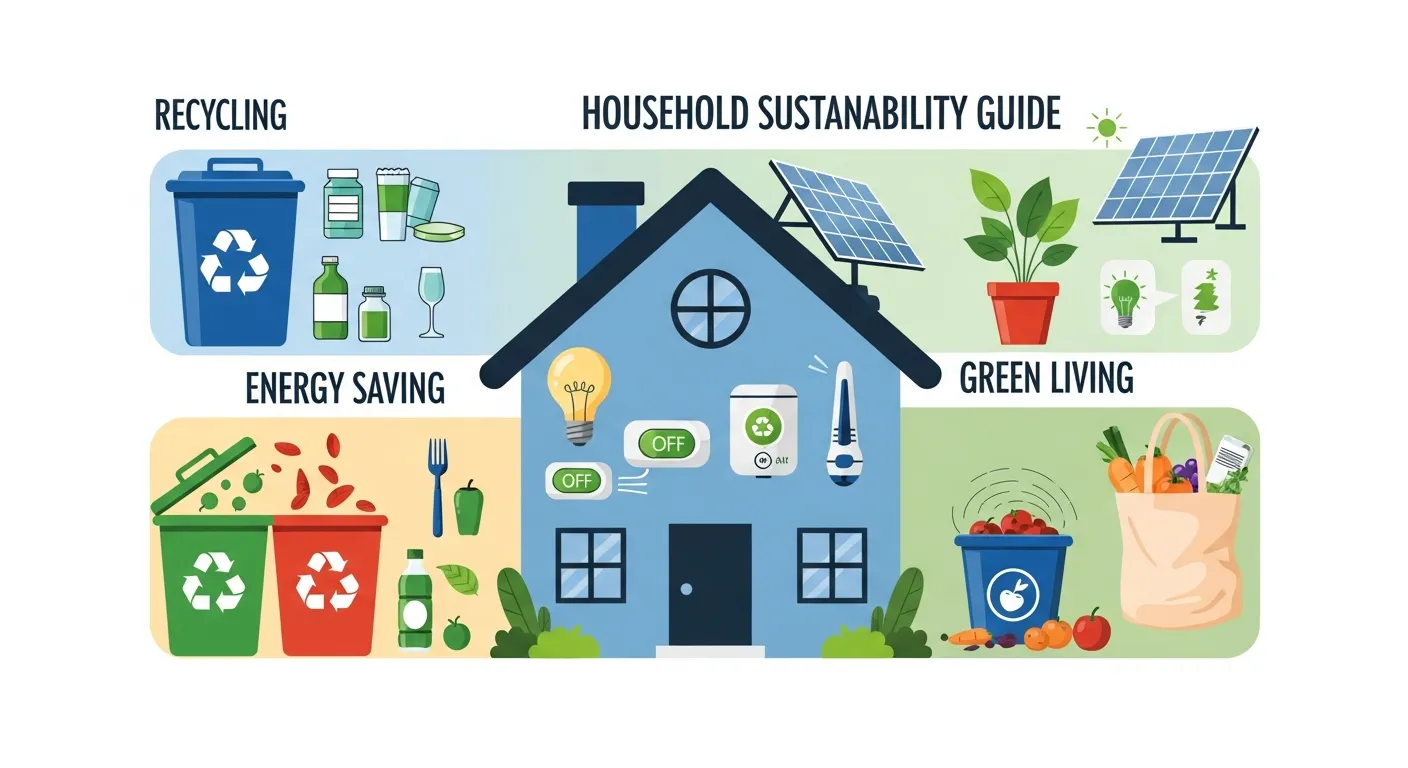
Green living at home focuses on reducing waste, saving energy, and making eco-friendly choices. Simple habits like using reusable items, conserving water, and improving energy efficiency help create a sustainable lifestyle and protect the environment.
Household sustainability means making mindful, deliberate choices about how we consume resources under our own roofs. Every time you flip a light switch, turn a faucet, or throw something away, you make a decision that directly impacts the environment. By adopting sustainable household practices, you reduce your carbon footprint, save money, and create a much healthier living space for your family.
The global need for green living at home grows more urgent every single day. Our planet’s resources remain finite. Environmental challenges like climate change, habitat destruction, and resource depletion require immediate attention. We cannot rely solely on large corporations or governments to fix these massive issues. Real change often starts right at the grassroots level, inside our own homes and local communities. Implementing household sustainability ideas provides a direct path to positive environmental action.
Individual actions might seem small on their own, but they compound dramatically over time. If millions of people reduce their energy use or cut back on single-use plastics by just a small fraction, the collective impact becomes massive. We have the power to protect the environment, starting right at our front doors. This comprehensive guide will walk you through practical, highly effective, eco-friendly home tips to maximize your household sustainability.
Energy Efficiency at Home

Household sustainability begins with how we power our lives. Energy consumption stands out as the largest contributor to a home’s carbon footprint. Taking control of your energy use provides immediate financial and environmental benefits.
Understanding Your Energy Consumption
The first step to reducing your energy use is understanding exactly where it goes. Heating and cooling typically account for the largest chunk of a home’s energy bill. This is followed closely by water heating, lighting, and large appliances. Reviewing your monthly utility bills gives you a baseline for your household sustainability efforts.
Conducting a basic home energy audit helps you pinpoint specific areas where you waste power. You can hire a professional or do a simple walkthrough yourself. Check for drafts around windows and doors, inspect the insulation in your attic, and note the age of your major appliances. Understanding these patterns forms the foundation of sustainable household practices.
Smart Home Technologies for Energy Saving
Modern technology offers excellent tools for boosting household sustainability. Smart thermostats learn your daily schedule and adjust the temperature automatically. This ensures you never waste energy heating or cooling an empty house. You can control these devices from your smartphone, giving you ultimate flexibility.
Smart lighting systems also play a crucial role in green living at home. These systems allow you to control bulbs remotely and set rigid schedules. Your lights only stay on when you actually need them. You can even install motion sensors in hallways and bathrooms to eliminate the problem of lights being left on accidentally.
|
Appliance |
Average Energy Use |
Household Sustainability Solution |
|---|---|---|
|
HVAC System |
45-50% |
Install a smart thermostat |
|
Water Heater |
12-15% |
Lower the temperature to 120°F |
|
Lighting |
9-12% |
Switch to LED smart bulbs |
|
Refrigerator |
4-5% |
Upgrade to an Energy Star model |
Renewable Energy Options for Homeowners
Generating your own clean energy serves as one of the most impactful household sustainability ideas you can implement. Solar panels have become much more accessible and affordable in recent years. By installing a solar array on your roof, you capture the sun’s energy to power your home directly.
This drastically reduces your reliance on fossil fuels. Many local governments offer tax incentives and rebates to help offset the initial installation costs. Even if you cannot install panels, you can often contact your utility provider to opt into a green energy purchasing program. This ensures the electricity you buy comes from wind or solar farms.
Reducing Phantom Load and Optimizing Appliances

Many electronics draw power even when completely turned off. Experts call this phenomenon “phantom load” or “vampire power.” Plug your television, computer, and gaming consoles into smart power strips. These strips automatically cut off electricity when devices enter standby mode, instantly improving your household sustainability.
Additionally, optimize how you use your large appliances. Wait until you have completely full loads before running your dishwasher or washing machine. Wash your clothes in cold water to save the immense amount of energy required to heat it. These simple eco-friendly home tips make a noticeable difference on your monthly utility bill.
Water Conservation Strategies
Water conservation stands as a critical pillar of household sustainability. Clean, fresh water is essential for life, yet it remains incredibly limited. Implementing sustainable household practices around water use protects local ecosystems and lowers your utility costs.
The Significance of Water as a Finite Resource
Droughts and severe water shortages become more common globally each year. Conserving water at home helps protect local rivers, lakes, and aquifers. It also reduces the massive amount of energy municipal plants need to pump and treat water. Treating water as a precious resource is fundamental to green living at home.
Every drop of hot water you save also saves the energy used to heat it. This double benefit makes water conservation one of the most effective household sustainability ideas you can practice.
Low-Flow Fixtures and Water-Efficient Appliances
Swapping out old plumbing fixtures provides a quick weekend project that yields massive water savings. You can drastically improve your household sustainability by installing low-flow showerheads and faucet aerators. These devices inject air into the water stream, using significantly less water without sacrificing actual water pressure.
Dual-flush toilets give you the option to use less water for liquid waste. If you plan to replace major appliances, upgrading to an Energy Star-certified washing machine or dishwasher drastically cuts your household water consumption. These machines use advanced technology to clean effectively with a fraction of the water older models require.
- Install low-flow showerheads (saves up to 2,900 gallons per year).
- Add aerators to bathroom and kitchen sinks.
- Fix dripping faucets immediately.
- Upgrade to a dual-flush toilet system.
Rainwater Harvesting and Greywater Systems
You can capture free water right from the sky to boost your household sustainability. Rain barrels connected directly to your gutter downspouts can store hundreds of gallons of rainwater. This water is perfectly suited for watering your garden or washing your car.
For a more advanced approach to green living at home, consider greywater systems. These systems redirect gently used water from your bathroom sinks, showers, and washing machines straight to your landscape. While this requires some plumbing modifications, it provides a highly efficient way to reuse water before it hits the sewer system.
Waste Reduction and Management
Managing the physical waste your family produces is a highly visible aspect of household sustainability. The items we throw away sit in landfills for centuries, releasing greenhouse gases and polluting the soil.
The Five Rs of Household Sustainability
To effectively manage waste, follow the five Rs of sustainable household practices.
- Rethink your purchases to see if you truly need them.
- Reduce the sheer amount of stuff you bring into your home.
- Reuse items whenever possible to extend their lifespan.
- Recycle materials strictly according to your local municipal guidelines.
- Rot (or compost) your organic food and yard waste.
Following this hierarchy drastically minimizes the garbage you send to the curb each week.
Composting and Its Environmental Benefits
Food scraps and yard waste make up a huge portion of the garbage sent to modern landfills. When organic matter breaks down in a landfill environment, it lacks oxygen. This process releases methane, a greenhouse gas significantly more potent than carbon dioxide.
Composting solves this problem and boosts your household sustainability. It allows you to turn fruit peels, coffee grounds, and fallen leaves into nutrient-rich soil. You can use this natural fertilizer in your garden, completely eliminating the need for synthetic chemicals. Starting a small compost bin in your backyard or using an indoor worm bin makes a massive difference.
Avoiding Single-Use Plastics and Packaging
Single-use plastics represent a major source of global environmental pollution. Eliminating them from your routine is a core component of green living at home. Bring reusable cloth bags to the grocery store instead of accepting plastic ones. Carry a durable stainless steel water bottle and pack your daily lunch in glass containers.
You can also improve your household sustainability by buying pantry staples like rice, beans, and oats from bulk bins. This completely eliminates unnecessary plastic packaging. Choose products packaged in cardboard or glass, which have much higher recycling rates than plastic films and containers.
Sustainable Food Practices
The food you bring into your kitchen has a profound environmental impact. From how it is grown to how far it travels, your diet directly influences your household sustainability.
Supporting Local and Organic Food Sources
Produce shipped from across the globe requires massive amounts of fossil fuels for transport and refrigeration. Shopping at local farmers’ markets supports your regional economy and drastically cuts down on these “food miles.”
Choosing organic food also helps keep harmful synthetic pesticides and fertilizers out of the local soil and water. Supporting farmers who use regenerative agricultural practices ensures the land remains fertile for future generations. This is one of the tastiest eco-friendly home tips you can adopt.
Reducing Food Waste
Food waste represents a massive failure in household sustainability. Planning your meals before you go grocery shopping ensures you only buy what you will actually eat. Store your fresh produce properly to extend its lifespan. Keep your pantry organized so older items do not expire hidden in the back.
Serving realistic portions helps prevent perfectly good food from being scraped directly into the trash. If you do have leftovers, pack them for lunch the next day or incorporate them into a new dinner recipe.
Plant-Based Diets and Environmental Impact
Animal agriculture remains highly resource-intensive. It requires vast amounts of fresh water, land, and feed to produce a single pound of meat. You do not have to become a strict vegan to make a difference in your household sustainability.
Simply swapping out meat for plant-based proteins like beans, lentils, or tofu one or two days a week significantly reduces your dietary carbon footprint. Embracing “Meatless Mondays” is a popular and highly effective way to ease into sustainable household practices.
Eco-Friendly Cleaning and Personal Care
The products we use to clean our homes and our bodies often contain hidden environmental hazards. Transitioning to natural alternatives improves your indoor air quality and protects local waterways.
Dangers of Conventional Cleaning Products
Many mainstream cleaning sprays, wipes, and detergents contain harsh synthetic chemicals. These substances can irritate your skin, trigger asthma, and heavily pollute your indoor air. When these chemicals wash down the drain, they enter municipal water systems and can ultimately harm aquatic life. Removing these items is a fundamental step in green living at home.
DIY Natural Cleaning Solutions
You can clean almost anything in your home using a few simple, inexpensive ingredients. This is one of the most cost-effective household sustainability ideas. White vinegar serves as an excellent agent for cutting through grease and cleaning glass surfaces. Baking soda makes a fantastic, gentle abrasive scrub for dirty sinks and bathtubs.
Mixing these basic household staples with a few drops of natural essential oil provides a safe, highly effective, and wonderful-smelling clean. You eliminate plastic spray bottles and toxic fumes entirely.
Creating a Sustainable Home Environment
Household sustainability extends to the physical materials that make up your living space. From your flooring to your furniture, conscious design choices lower your environmental impact.
Eco-Friendly Building Materials and Insulation
If you plan to renovate or build a new home, choose your materials carefully. Bamboo flooring, reclaimed wood, and recycled glass countertops look beautiful and promote household sustainability. Bamboo grows incredibly fast, making it a highly renewable resource compared to traditional hardwoods.
Proper insulation in your walls and attic remains absolutely crucial. It acts exactly like a thermal blanket. It keeps your home warm in the harsh winter and cool in the blistering summer with minimal energy use. High-quality insulation is one of the best investments for long-term sustainable household practices.
Look at sustainable material sourcing for inspiration on building supplies.
Choosing Sustainable Furniture and Decor
Fast furniture damages the environment just as much as fast fashion. Cheaply made, flat-pack pieces often end up in local landfills after just a few short years of use. To improve your green living at home, shop at local thrift stores, antique shops, and estate sales. You will easily find high-quality, pre-owned furniture built to last decades.
If you must buy new, look for pieces made exclusively from sustainably harvested wood or recycled metals. Seek out companies that prioritize ethical manufacturing and offer transparent supply chains.
Overcoming Challenges and Staying Motivated
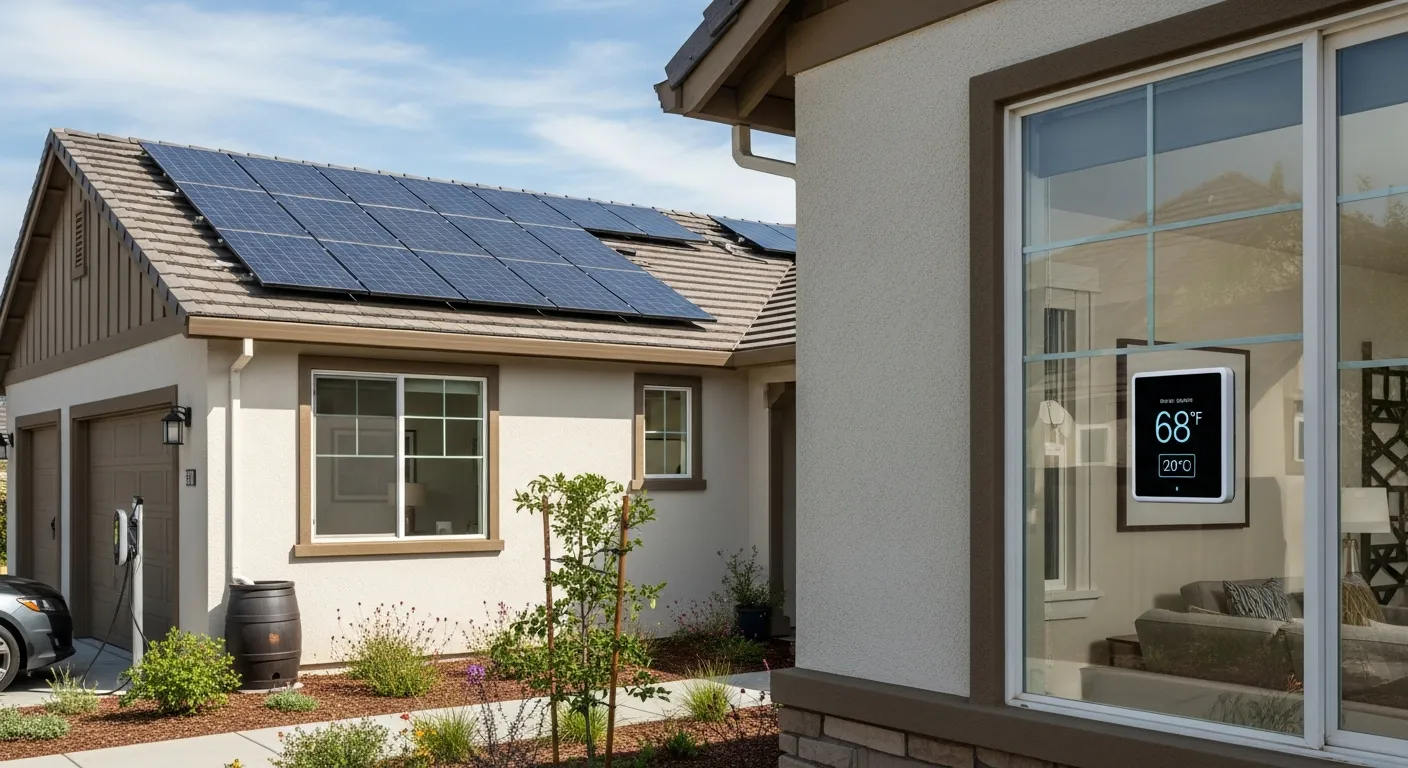
Transitioning to a lifestyle of household sustainability does not happen overnight. You will face hurdles, but staying focused on your long-term goals ensures success.
Common Hurdles to Adopting Sustainable Habits
Adopting sustainable household practices can sometimes feel overwhelming. You might encounter pushback from family members who resist change. You might struggle to find sustainable products locally or feel frustrated when you accidentally forget your reusable grocery bags. Recognize that these minor hurdles are completely normal parts of the learning process. Do not let perfect be the enemy of good.
Setting Realistic Goals and Tracking Progress
Do not try to overhaul your entire life in a single weekend. Pick one or two specific household sustainability ideas to focus on first. For example, start by setting up a backyard compost bin or eliminating paper towels from your kitchen.
Track your progress by comparing your utility bills month over month. Note exactly how much less trash you take to the curb each week. Seeing tangible, measurable results provides incredible motivation to keep pursuing green living at home.
Frequently Asked Questions
1. What is the most impactful step for household sustainability?
Reducing your energy consumption provides the fastest and most impactful results. Simple changes like installing a smart thermostat, swapping to LED lighting, and sealing window drafts drastically lower your carbon footprint and save you significant money on utility bills.
2. How do I start practicing green living at home on a tight budget?
You can start by simply turning off lights, taking shorter showers, and washing your laundry in cold water. You can also explore affordable, natural alternatives for daily items by reviewing this guide to organic products for safe, budget-friendly choices.
3. Does composting smell bad inside the house?
A properly maintained compost bin should never smell bad. If it smells sour or rotten, it usually means it has too much moisture or too much nitrogen (green materials). Adding dry carbon materials like shredded newspaper or dry leaves will quickly balance it out and neutralize the odor.
4. Are sustainable household practices really worth the effort?
Yes, the effort pays off exponentially. You reduce your family’s exposure to toxic chemicals, lower your monthly living expenses, and contribute directly to global environmental protection. Over time, these small habits become second nature and require zero extra effort.
5. How can I ensure my personal care items fit my household sustainability goals?
Look for products with minimal packaging, such as shampoo bars instead of plastic bottles. Also, check the ingredients to ensure they do not contain harmful microplastics or synthetic fragrances. You can check this guide to organic products to find healthy, eco-friendly personal care alternatives.
6. What are the best household sustainability ideas for apartment renters
Renters can practice sustainability by using smart power strips to reduce phantom energy loads, recycling diligently, and setting up a small indoor worm compost bin. You can also grow herbs in small containers on your windowsill to reduce your reliance on store-bought, plastic-wrapped produce.
7. Why is reducing food waste important for household sustainability?
When food rots in a landfill, it produces methane, a highly dangerous greenhouse gas. Additionally, throwing away food wastes all the fresh water, fossil fuels, and human labor used to grow and transport it to your local grocery store.
8. How do I make my laundry routine more eco-friendly?
Wash your clothes in cold water to save the energy used by the water heater. Hang your clothes on a drying rack instead of using the electric dryer whenever possible. You can also switch to a biodegradable, plant-based laundry detergent.
9. Can switching my diet really improve my green living at home?
Absolutely. Animal agriculture requires massive amounts of natural resources and generates heavy emissions. Eating plant-based meals just a few times a week drastically reduces the environmental footprint of your kitchen. Find more dietary tips in this guide to organic products to support a healthier, greener lifestyle.
10. What should I do with old electronics to maintain household sustainability?
Never throw electronics into the regular garbage. They contain heavy metals and toxic chemicals that leach into groundwater. Take old laptops, phones, and batteries to a certified e-waste recycling facility or a local retailer that offers dedicated take-back programs.
