

This guide explains organic products, certifications, health benefits, and how to identify authentic organic labels. It highlights environmental impact, nutrition advantages, and practical tips for integrating organic living into daily life sustainably.
In today’s health-conscious world, consumers are increasingly drawn to organic products as a way to enhance their well-being and reduce environmental impact. This year (2026), demand for certified organic goods continues to soar, reflecting a broader commitment to transparent food systems and cleaner ingredient sourcing. In today’s digital landscape, shoppers have instant access to information about labels, production methods, and sustainability claims, making it easier than ever to distinguish genuine organic offerings from mere marketing buzzwords. This comprehensive guide will walk you through everything you need to know about organic products—from the meaning behind certifications to practical tips for integrating them into your daily routine. Whether you’re new to organic living or looking to deepen your commitment, you’ll find actionable insights on recognizing authentic labels, maximizing health benefits, and making eco-friendly choices that support regenerative agriculture.
Understanding Organic Certification and Standards
Organic products are defined by strict regulations designed to eliminate synthetic inputs and promote ecological balance. In the United States, the USDA Organic seal guarantees that at least 95% of a product’s ingredients meet rigorous standards set by the National Organic Program. You can learn more about these criteria at the official Across the Atlantic, the EU Organic logo indicates compliance with European Union regulations, ensuring products are free from synthetic fertilizers and pesticides.
To better understand how organic farming is structured across Europe, you can also explore the European Commission’s overview of organic farming practices and policies here.
Global Certification Systems for Organic Products
Beyond USDA and EU frameworks, many countries operate their own certification systems aligned with international organic principles. These include India’s NPOP, Japan’s JAS Organic, and various national-level standards that ensure consistency in organic production. While logos may differ, the core philosophy remains the same: reducing chemical dependency and promoting sustainable agriculture for organic products.
Another widely recognized label is the Non-GMO Project Verified seal, which ensures ingredients are not genetically modified. Although not exclusively organic, it is often found alongside organic certifications to strengthen consumer trust.
Core Principles Behind Organic Certification
Soil Health and Biodiversity
Organic farming emphasizes maintaining healthy soil through crop rotation, composting, and natural fertilization methods. These practices enhance long-term productivity while protecting ecosystems that support organic products.
Natural Pest and Disease Control
Instead of synthetic pesticides, organic systems rely on biological controls, beneficial insects, and approved natural substances to manage pests and diseases safely.
Animal Welfare Standards
Livestock in organic systems must have access to outdoor environments and are raised without routine antibiotics or growth hormones, improving both welfare and product quality.
Processing and Handling Integrity
Strict rules ensure that organic products are not contaminated during processing, packaging, or storage. Facilities must maintain separation from non-organic goods at every stage.
Why Global Standards Matter
Documents from the European Commission highlight that organic farming is not just a labeling system but a broader agricultural model focused on sustainability, climate protection, and biodiversity conservation. This means that when you choose certified organic products, you are supporting farming systems that aim to reduce environmental impact while maintaining food quality and safety.
Health Advantages of Organic Products

Research into organic products has grown significantly in recent years, with multiple peer-reviewed studies highlighting potential nutritional and health advantages. While results can vary depending on crop type, soil quality, and farming methods, overall findings suggest meaningful differences between organic and conventional foods.
A widely cited meta-analysis published in the European Journal of Nutrition indicates that organic fruits and vegetables may contain 20–40% higher levels of antioxidants compared to conventional counterparts. These antioxidants play a key role in neutralizing free radicals in the body, which may help reduce oxidative stress and support long-term health.
Reduced Chemical Exposure
One of the strongest arguments for choosing organic products is reduced exposure to synthetic pesticides and chemical residues. Conventional farming often relies on pesticide applications that can leave trace residues on produce. Although these levels are typically regulated, long-term exposure concerns have led many consumers to prefer organic alternatives.
By choosing organic foods, individuals can significantly lower their daily intake of pesticide residues, contributing to a cleaner and more natural dietary profile. This is especially important for vulnerable groups such as children and pregnant individuals.
Enhanced Nutrient Profile
Beyond antioxidants, several studies have found that certain organic products may contain higher levels of essential nutrients such as vitamin C, iron, magnesium, and phosphorus. These differences are often linked to healthier soil ecosystems, improved microbial activity, and reduced reliance on synthetic fertilizers.
Healthy soil is a core foundation of organic farming, and it directly influences the nutritional quality of crops. As a result, organically grown plants often develop stronger natural defense systems, which may contribute to richer nutrient density.
Healthier Animal-Based Products
Organic livestock farming also contributes to improved nutritional outcomes. Organic dairy, eggs, and meat often show better fatty acid composition, including higher levels of omega-3 fatty acids and a more balanced omega-3 to omega-6 ratio.
According to research from the Harvard T.H. Chan School of Public Health, grass-fed and organically raised animals tend to produce food with a more favorable nutritional profile, which may support cardiovascular health and help reduce inflammation.
Additionally, organic standards prohibit routine use of antibiotics and synthetic growth hormones, which further enhances consumer confidence in these organic products.
Improved Gut and Long-Term Wellness Potential
Emerging research suggests that organic products may also support gut health indirectly. Reduced chemical exposure and higher intake of plant-based antioxidants may positively influence gut microbiota diversity, which is linked to digestion, immunity, and overall metabolic health.
Although more long-term studies are needed, early evidence indicates that diets rich in organic foods may contribute to improved overall wellness outcomes.
Environmental Health and Indirect Human Benefits
The benefits of organic products extend beyond individual health. Organic farming practices reduce soil degradation, protect biodiversity, and minimize water contamination from synthetic chemicals. Healthier ecosystems often lead to safer food systems, creating a long-term indirect benefit for human populations.
Sustainable farming methods also help preserve soil fertility, ensuring that future generations can continue to access nutrient-rich food sources.
Shopping and Identifying Authentic Organic Products
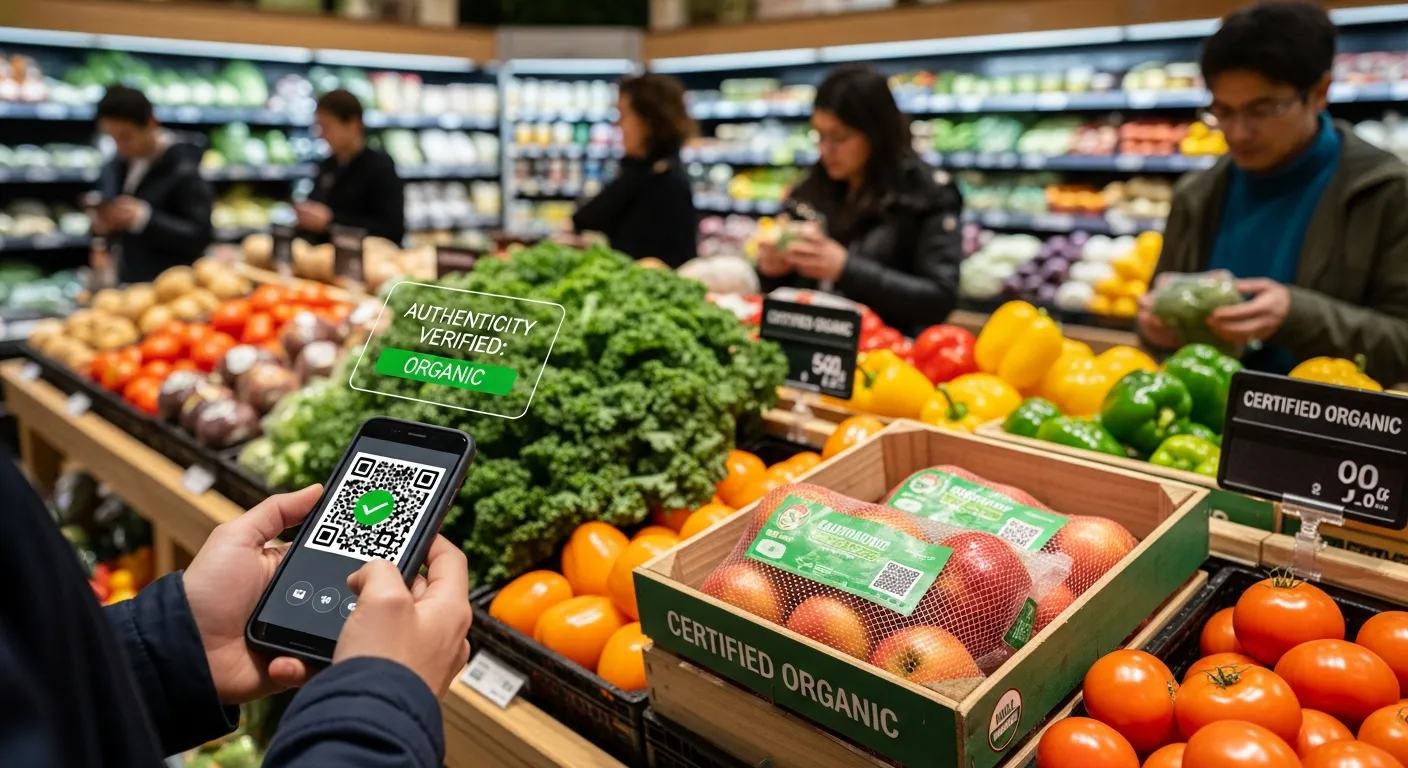

Adopting an organic lifestyle doesn’t have to strain your budget or take over your entire shopping routine. With strategic planning and mindful habits, you can make meaningful changes without breaking the bank.
Prioritize High-Risk Items
Start by focusing on the “Dirty Dozen”—produce with the highest pesticide residue levels according to the Environmental Working Group. By purchasing these items organic first, you minimize chemical exposure in the areas that matter most.
Embrace Seasonal Buying
Shopping at farmers’ markets and joining a Community Supported Agriculture (CSA) program often yields lower prices on in-season organic produce. Seasonality also ensures fresher, more flavorful ingredients.
Buy in Bulk and Preserve
Grains, legumes, and nuts can be significantly cheaper when purchased in larger quantities. Consider freezing surplus fruits and vegetables or canning sauces to extend the life of your organic harvests.
Grow Your Own
Even a small windowsill herb garden can provide fresh organic basil, parsley, or mint. Container gardening reduces costs and teaches valuable lessons in soil health and sustainable practices.
Minimize Food Waste
Plan meals around perishable organic items and repurpose scraps through composting or creative recipes. Reducing waste amplifies the environmental benefits of your organic purchases.
By combining these tactics, you’ll find that integrating organic products into daily life becomes both practical and rewarding.
FAQ (Frequently Asked Questions)
What does the USDA Organic seal guarantee?
The USDA Organic seal guarantees that at least 95% of a product’s ingredients are certified organic under the National Organic Program. It ensures that no synthetic fertilizers, pesticides, or GMOs are used in production, making it one of the most trusted certifications for organic products.
Are organic products more nutritious than conventional ones?
Studies suggest that organic produce may contain higher levels of antioxidants and certain nutrients like vitamin C, iron, and magnesium. This is often linked to healthier soil systems and reduced exposure to synthetic chemicals in organic products. More about Top 10 Organic Products to Boost Your Health & The Planet
How can I identify fake organic labels?
Always check for official certifications such as USDA Organic or EU Organic. Be cautious of vague marketing terms like “natural” or “eco-friendly” without verified seals. Researching a brand’s transparency and certification sources can help ensure authenticity.
Is buying organic worth the extra cost?
While organic products are often more expensive, consumers can manage costs by focusing on high-pesticide foods, buying in bulk, choosing seasonal produce, and reducing food waste. These strategies make organic living more affordable and practical. More about Why Organic Products Are Key to Health and Sustainability
What is the difference between organic and non-organic farming?
Organic farming avoids synthetic fertilizers, pesticides, and GMOs, focusing instead on natural soil enrichment, crop rotation, and biodiversity. Non-organic farming often relies on chemical inputs to increase yield and control pests.
Do organic products contain pesticides?
Yes, but only naturally approved pesticides are allowed in organic farming. These are typically less persistent and less harmful than synthetic chemical pesticides used in conventional agriculture.
Are organic products always 100% chemical-free?
No. Organic standards do not mean completely chemical-free; they mean that only approved natural substances and limited synthetic materials are permitted under strict regulation. This still significantly reduces chemical exposure in organic products.
Why are organic products more expensive?
Higher costs come from labor-intensive farming methods, lower crop yields, stricter certification processes, and sustainable land management practices required for organic production.
How long does it take for land to become certified organic?
Land usually requires a transition period of about 2–3 years to become certified organic. During this time, farmers must avoid prohibited chemicals and follow organic farming practices to qualify for certification.
Conclusion
Embracing organic products represents a significant step toward better health, environmental stewardship, and ethical food systems. Throughout this guide, you’ve learned how to decode certification labels, recognize key health benefits, and identify top organic choices for your pantry. By adopting practical strategies like prioritizing high-risk produce, shopping seasonally, and growing your own herbs, you can weave organic products seamlessly into your lifestyle without overspending. In today’s digital landscape, access to information empowers you to make informed decisions that benefit both your body and the planet. Begin your journey toward a more sustainable, health-focused routine by making one certified organic choice today.
