
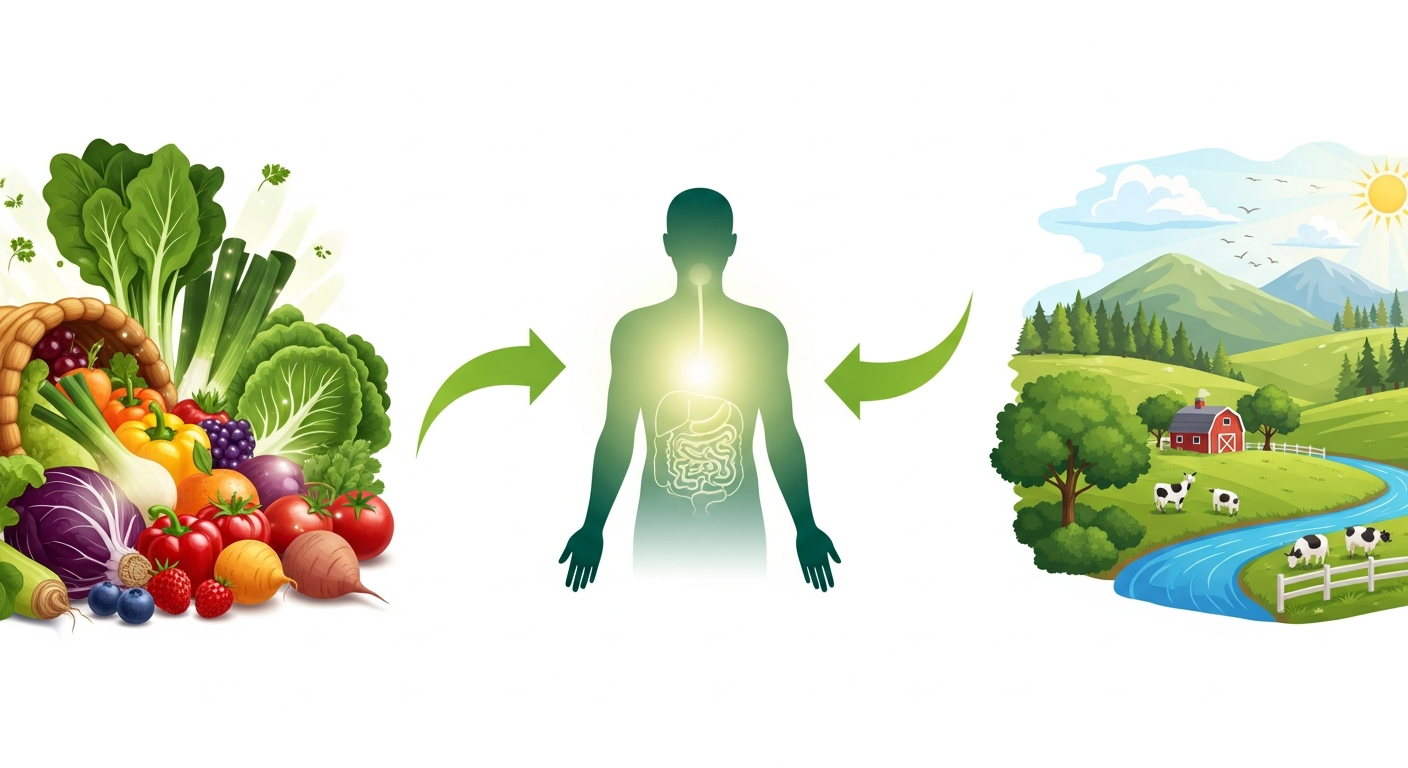
Organic products improve health by reducing chemical exposure and increasing nutrient intake while supporting sustainability through eco-friendly farming, soil regeneration, and biodiversity protection. Choosing organic promotes cleaner living, ethical sourcing, and long-term environmental and community wellbeing.
Shoppers constantly evaluate how their purchasing habits influence personal well-being and environmental health. People want to support community prosperity while protecting their families from harmful chemicals. Organic products have emerged as a powerful solution for individuals seeking items free from synthetic chemicals. These goods avoid genetically modified organisms (GMOs) and skip excessive, harmful processing methods.
Understanding what sets organic products apart helps consumers make informed, empowering choices. These choices align perfectly with personal values and long-term lifestyle goals. The organic movement spans fresh produce, dairy, grains, personal care items, textiles, and household goods. Strict regulations and rigorous certification standards govern every single category.
This comprehensive guide explores the principles underpinning organic certification and eco-friendly farming. We examine the extensive health benefits and positive environmental impacts of these goods. You will discover practical strategies for integrating organic products into your everyday routines seamlessly. We provide actionable tips to support a healthier body, a thriving planet, and equitable global economies.
What Defines Organic Products?

Organic products follow a unified set of principles applied through region-specific agricultural regulations. Governments and independent bodies strictly monitor how farmers grow, handle, and process these items.
Global Certification Frameworks
In the United States, the USDA National Organic Program enforces strict eco-friendly standards. They completely ban synthetic pesticides, chemical herbicides, and any use of GMOs. Farmers must manage soil fertility naturally using cover crops and organic compost.
The European Union uses the EU Organic logo to signify compliance with their regional regulations. Their rules emphasize environmental stewardship, strict animal welfare, and rigorous chemical residue testing. Other notable certifications include Canada Organic, Australia’s ACO, and Japan’s JAS.
Although label designs vary globally, certified organic products must satisfy highly consistent criteria. Farmers must avoid prohibited substances entirely to maintain their certified status. They actively maintain local biodiversity and implement sustainable, ecological harmony practices.
Certification at a Glance
|
Certification |
Region/Country |
Core Standards Highlighted |
Eco-Friendly Focus |
|---|---|---|---|
|
USDA Organic |
USA |
No synthetic pesticides, GMOs, antibiotics |
Soil health, biodiversity |
|
EU Organic |
Europe |
Animal welfare, limited inputs |
Soil & water protection, animal care |
|
ACO |
Australia |
No artificial fertilizers, strict audits |
Sustainability, native diversity |
|
JAS |
Japan |
Transparent labeling, no GMOs |
Sustainable resource cycles |
Key Principles and Standards
Four interrelated principles champion the global organic certification movement. International bodies carefully outline these guidelines to protect both producers and consumers.
- Health: Promote soil, plant, animal, human, and planet health as interdependent elements.
- Ecology: Understand and sustain local ecosystem processes, natural biodiversity, and ecological cycles.
- Fairness: Ensure total equity, respect, and fairness for all participants along the supply chain.
- Care: Manage production carefully while protecting natural resources for future generations.
These guiding tenets shape eco-friendly farming and production methods worldwide. Farmers use crop rotation, green manuring, and integrated pest management to protect their yields. Materials lists clearly detail allowed and prohibited substances to ensure total transparency.
Expanding Beyond the Produce Aisle
Fresh fruits, vegetables, grains, dairy, poultry, and meat form the cornerstone of organic agriculture. However, the organic label now extends far beyond food into everyday household categories. Certified organic personal care items exclude artificial fragrances, parabens, and harsh petrochemicals.
Manufacturers opt for plant-derived emulsifiers, essential oils, and natural botanical extracts. Organic textiles like cotton, hemp, linen, and wool provide highly comfortable clothing options. Factories manufacture these textiles without harmful dyes, toxic finishes, or chlorine bleaching.
The Profound Health Benefits of Organic Products

Choosing organic products offers massive advantages for your physical well-being. These items protect your body from unseen chemical burdens found in conventional goods.
Eliminating Toxic Synthetic Chemicals
One of the most compelling reasons to choose organic products is the dramatic reduction in chemical exposure. Conventional agriculture employs dozens of synthetic pesticides and herbicides to maximize crop yields. Scientists link some of these chemicals to endocrine disruption, neurotoxicity, and cellular damage.
Certain chemical residues persist on conventional food despite thorough washing and peeling. Consumers who replace conventionally grown produce with organic products experience significantly lower pesticide intake. This dietary shift lowers the potential risks associated with long-term chemical accumulation.
Additional Note: According to data analyzed by sustainability researchers, switching to organic can diminish cumulative exposure to pesticide residues by as much as 75% over time, supporting improved health outcomes, particularly for children and those with sensitive immune systems.
Enhanced Nutrient Density and Antioxidants
Multiple peer-reviewed studies highlight elevated concentrations of vital nutrients in organically grown crops. Organic fruits and vegetables regularly boast higher levels of phenolic compounds, flavonoids, and vitamin C. These compounds play critical roles in combating oxidative stress and supporting immune function.
The richer nutrient profile stems directly from healthier, microbe-rich organic soils. Plants must produce natural defense molecules to survive without synthetic chemical protection.
Organic Dairy and Nutrient Value
Organic dairy products, like milk and yogurt, often contain a better fatty acid profile, including increased omega-3s and higher antioxidant content compared to conventional alternatives. This can support heart health and even cognitive function. These health benefits reinforce why so many families are choosing organic for daily staples.
Microbiome Support and Gut Health
Emerging research underscores the deep connection between organic products and a balanced gut microbiome. Organic products harbor highly diverse microbial communities absent in heavily sanitized conventional produce. These beneficial natural microbes act as vital probiotics for your digestive system.
They foster gut barrier integrity and help modulate complex immune responses. Integrating organic fruits and vegetables into your diet bolsters microbiome diversity significantly. Dive deeper into how clean eating supports digestion through the health benefits organic.
Food Sensitivities and Allergies
Switching to organic products may help individuals with food sensitivities or allergies, as organic foods reduce the risk of exposure to problematic artificial additives and preservatives.
Minimizing Additives and Antibiotics
Processed organic foods adhere to incredibly strict ingredient limits to protect consumers. Manufacturers cannot use artificial colors, synthetic flavors, chemical preservatives, or unnatural stabilizers. Organic meat, milk, and eggs derive strictly from animals raised without growth hormones.
Farmers never use routine antibiotics, which helps combat the global threat of antimicrobial resistance. By choosing organic proteins, consumers support clean labels and ethical livestock practices. This eco-friendly approach guarantees safer, more nutritious food for your family.
Benefits of Clean Animal Farming
Beyond antibiotic avoidance, organic livestock is raised on GMO-free feed and must have access to open pasture. This results in animal products that are not only safer for you but also contribute to higher animal welfare.
|
Feature |
Conventional Products |
Organic Products |
Health Impact |
|---|---|---|---|
|
Pesticides |
Heavy synthetic use |
Strictly prohibited |
Reduces toxic chemical exposure |
|
Fertilizers |
Synthetic chemical blends |
Natural compost |
Improves soil and nutrient density |
|
Antibiotics |
Used routinely on livestock |
Only used for sick animals |
Combats global antibiotic resistance |
|
Additives |
Artificial dyes and flavors |
Natural ingredients only |
Promotes cleaner digestive health |
|
GMO/Processing |
Allowed |
Prohibited |
Better for allergies, immune response |
Certified Organic Packaged Goods
Organic snack foods and ready-to-eat meals may use only certified ingredients, further minimizing chemical contamination and artificial flavorings found in non-organic processed products.
Driving Sustainability Through Organic Farming
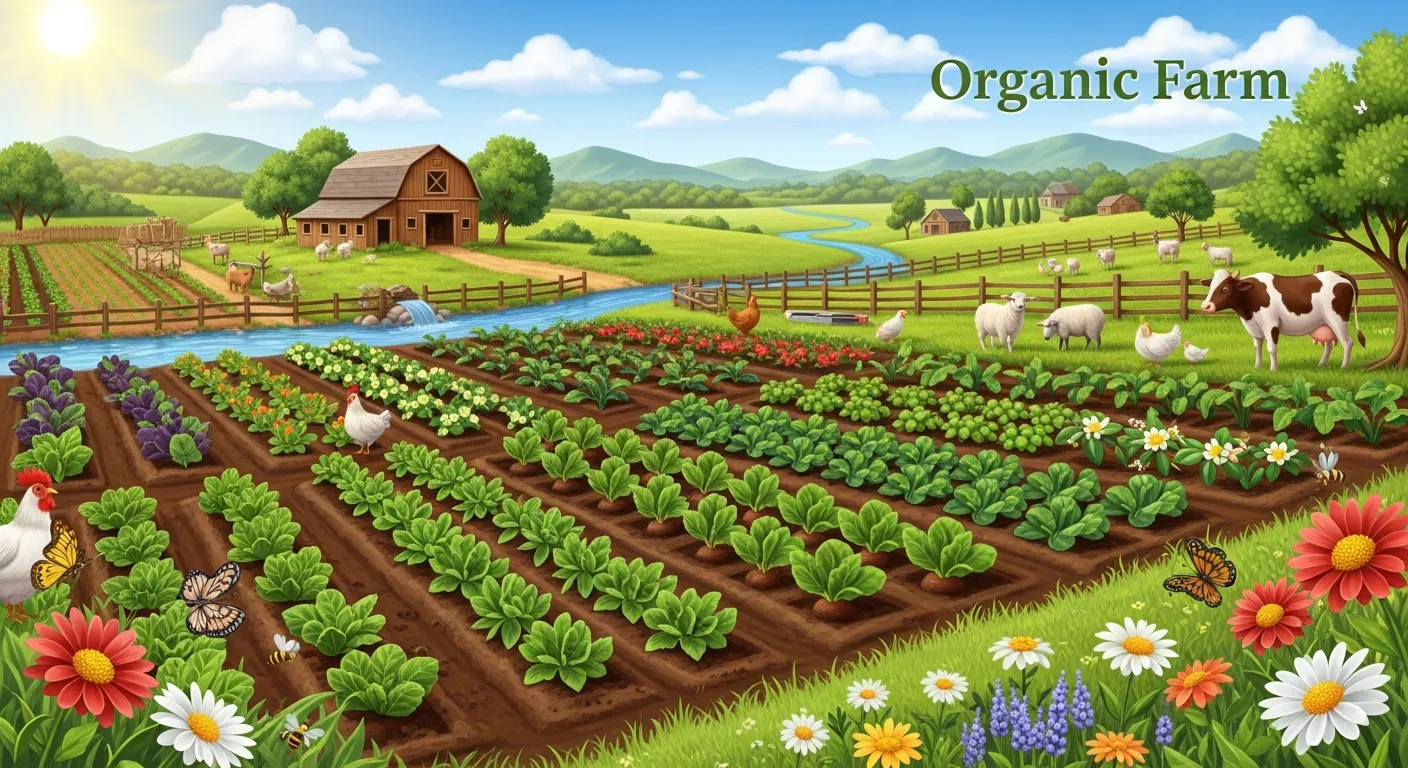
Organic agriculture serves as a powerful tool for global environmental conservation. These farming methods prioritize long-term ecological balance over short-term financial gains.
Soil Regeneration Strategies
Healthy soil lies at the absolute foundation of sustainability and eco-friendly agriculture. Organic farming techniques enrich soil organic matter and improve natural soil structure. Farmers rely heavily on cover cropping, crop rotations, and green manures.
Organic farmland can increase soil organic carbon significantly compared to conventional farming systems. This enhanced carbon storage improves water retention and natural nutrient cycling. It mitigates greenhouse gas emissions, making organic practices vital for climate change adaptation.
Long-Term Soil Benefits
Soil enriched through organic farming stays resilient in the face of drought and extreme weather. Studies show that organic fields recover more rapidly after heavy rainfall, helping stabilize yields season after season.
Protecting Vital Water Sources
Synthetic fertilizers and pesticides contribute massively to nutrient runoff and aquatic ecosystem degradation. Conventional farming creates dangerous algal blooms that suffocate local marine life. Organic agriculture completely prohibits these highly toxic synthetic inputs.
This ban significantly reduces nitrate and phosphorous leaching into local waterways. Watersheds adjacent to organic farms consistently exhibit much lower levels of dangerous pollutants. This eco-friendly approach safeguards human drinking water sources and protects delicate aquatic biodiversity.
Fostering Eco-Friendly Biodiversity
Organic landscapes frequently integrate natural hedgerows, flower strips, and diverse cropping patterns. These features bolster declining pollinator populations and support highly beneficial insects. Refuge areas provide safe habitats for bees, butterflies, and natural predators of crop pests.
Farmland bird species counts are consistently higher on certified organic properties. This indicates healthier, much more balanced habitats that extend benefits beyond the fields. Protecting biodiversity remains a cornerstone of genuine agricultural sustainability.
Climate and Conservation
Organic practices preserve heirloom seed varieties and encourage regenerative policies that restore fragmented ecosystems. The preservation of local and indigenous varieties within organic agriculture further strengthens global food security and improves ecosystem resilience in the face of climate change.
The Broad Economic and Social Impact
The organic movement generates significant economic opportunities while promoting strict ethical standards. It reshapes how communities interact with their local food systems.
Empowering Local Farmers
The premium prices commanded by organic products help offset increased labor and certification costs. This economic model channels much greater, sustainable revenue directly to the producers. Community-supported agriculture programs and farmers’ markets strengthen local rural economies.
They create highly stable income streams and keep financial resources within the community. Cooperatives reinvest their organic profits into regional infrastructure, education, and rural healthcare. Organic agriculture acts as a powerful catalyst for long-term poverty reduction.
Organic Market Trends
According to recent market research, the global organic products sector is expanding at an annual growth rate of roughly 9–10%, leading to the creation of thousands of jobs worldwide and providing stable livelihoods for diverse agricultural communities.
Ethical Sourcing and Fair Labor
Many organic certification schemes incorporate vital social criteria into their rigorous standards. They ensure safe working conditions, mandate fair wages, and promote workplace inclusivity. Consumers endorse supply chains that deeply respect fundamental human labor rights.
Shoppers advance gender equality and promote highly equitable trade relationships globally. Ethical sourcing remains a massive consideration for socially conscious buyers seeking transparency. Supporting organic products means supporting the people who work the land.
Community Engagement
Organic cooperatives often engage in community education, hosting classes and local food events. These initiatives raise awareness about health benefits and eco-friendly living, empowering the next generation to value both people and planet.
How to Transition to Organic Products
Incorporating organic products into your daily life does not require an immediate, massive overhaul. You can adopt highly sustainable habits through gradual, manageable lifestyle changes.
Smart Shopping Strategies
Start your eco-friendly journey with simple, highly effective product swaps. Swap one conventional item per week, like organic milk or leafy greens, to gauge the budget impact. Gradually expand your purchases to include whole grains, canned goods, and personal care items.
Purchasing staples like rice, beans, nuts, and seeds in bulk lowers your unit costs. Invest in high-quality airtight containers to maintain freshness and monitor your pantry rotation. Create weekly meal plans centered on these shelf-stable basics combined with fresh organic products.
Tip for Beginners: Take advantage of store-brand organic labels, which are often priced lower than major organic brands but offer the same certified health benefits and sustainability guarantees.
Seasonal and Local Purchasing
Farmers’ markets and local co-ops offer incredibly fresh, seasonal organic produce. They often sell these goods at prices highly competitive with conventional supermarkets. Engaging directly with local growers allows you to inquire about specific eco-friendly farm practices.
Seasonal shopping supports small-scale producers while ensuring peak flavor and nutrient content. You reduce the massive carbon footprint associated with long-distance food transportation. It represents a massive win for both your health and global sustainability.
Urban Gardening
Apartment dwellers can join community gardening initiatives or participate in urban rooftop farming projects dedicated to organic methods. These projects champion accessibility, sustainability, and community connection.
DIY and Home Growing
Growing your own herbs and small vegetables is a highly cost-effective sustainability strategy. Even a small windowsill planter can yield fresh, organic ingredients for your kitchen. Home gardening connects you directly to the natural food production cycle.
For personal care, try simple DIY recipes using organic coconut oil, oats, and honey. These homemade alternatives replace expensive commercial products and eliminate toxic synthetic chemicals entirely. You reduce plastic packaging waste while maintaining total control over your ingredients.
Eco-Friendly Packaging
Many organic products now come packaged in compostable, recyclable, or minimal-waste materials, further reducing your environmental impact and supporting the overall sustainability of your lifestyle choices.
Embracing a Full-Spectrum Organic Lifestyle
Adopting organic products is no longer limited to just food. The organic mindset is an eco-friendly, holistic approach that enriches every aspect of daily life.
Organic in the Home
- Textiles: Organic cotton sheets, bamboo towels, and hemp clothing reduce skin exposure to chemical residues and are softer and more breathable.
- Household Cleaners: Formulas with plant-based and mineral-derived ingredients provide effective cleaning power without harmful fumes or water pollutants.
- Personal Care: Certified organic shampoos, lotions, toothpastes, and sunscreens are gentler on your skin and less likely to trigger allergies or sensitive reactions.
Sustainability Beyond Shopping
Committing to organic extends to choices about travel, home energy, and waste reduction. Participating in local composting efforts, reducing single-use plastics, and supporting eco-friendly policies all amplify the impact of choosing organic products.
Frequently Asked Questions
What exactly makes a product organic?
Organic products are grown and processed without synthetic pesticides, artificial fertilizers, or genetically modified organisms. Farmers must adhere to strict environmental standards that promote sustainability and natural resource conservation. Certification bodies regularly audit these farms to ensure complete compliance with eco-friendly regulations.
Are organic products really better for my health?
Yes, they significantly reduce your exposure to harmful synthetic chemicals and toxic pesticide residues. Many studies also show they contain higher levels of vital antioxidants and essential nutrients. You can discover more options by reading the top 10 organic products to boost your health the planet.
Why do organic products cost more than conventional ones?
Organic farming is highly labor-intensive and yields smaller crop volumes without chemical interventions. Farmers also pay high administrative fees to maintain their strict organic certifications annually. However, buying seasonal items in bulk can help make these eco-friendly purchases much more affordable.
Does organic farming actually help the environment?
Organic farming promotes deep sustainability by improving soil health and drastically reducing water pollution. It actively fosters natural biodiversity by creating safe habitats for local wildlife and essential pollinators. This eco-friendly method also sequesters more carbon in the soil, helping fight climate change.
How do I know if a product is genuinely organic?
You should always look for official certification seals, like the USDA Organic logo, on the packaging. These trusted symbols guarantee that the product meets stringent government regulations for eco-friendly production. If you shop at a farmers’ market, you can simply ask the grower about their specific farming methods.
Are natural products the same as organic products?
No, the term “natural” is largely unregulated and simply means the product lacks artificial colors or flavors. “Organic” is a strictly legally defined term requiring rigorous third-party inspections and strict growing standards. Understanding this difference is crucial when shopping for genuine health benefits and true sustainability.
Can non-food items be certified organic?
Yes, products like clothing, cosmetics, and household cleaners can receive official organic certification. Manufacturers must use organically grown raw materials like cotton and avoid harsh, toxic synthetic processing chemicals. Learn how to identify these items in the full guide to organic products health.
Does washing conventional produce remove all pesticides?
Washing absolutely helps remove surface dirt and some lingering chemical residues from conventional produce. However, many systemic pesticides absorb deeply into the actual flesh of the fruit or vegetable. Purchasing organic products remains the only reliable way to avoid consuming these hidden synthetic chemicals completely.
Do organic products taste better?
Many consumers report that organic fruits and vegetables offer a much richer, more complex flavor profile. Because organic plants grow without synthetic fertilizers, they develop higher concentrations of natural antioxidant compounds. This natural stress response often results in denser, vastly more flavorful crops.
Is organic meat better for animal welfare?
Organic livestock regulations mandate that animals receive year-round access to open pastures and outdoor environments. Farmers must feed them a strict 100% organic diet and cannot use preventative antibiotics or growth hormones. These eco-friendly rules ensure a significantly higher standard of living for the animals involved.
What are the broader community impacts of buying organic products?
Supporting organic products stimulates local economies, strengthens community food systems, and encourages sustainable land use. Choosing organic goods not only boosts your own health benefits but also supports eco-friendly, ethical, and sustainable practices that can reshape food markets on a global scale.
