

Environment-friendly AC systems reduce energy use and greenhouse gas emissions while providing cooling comfort. Options like inverter, solar, geothermal, and evaporative ACs help lower electricity costs and support sustainable living without sacrificing performance.
As global temperatures consistently break historical records, finding relief from the sweltering heat is no longer a luxury. It is an absolute necessity. Summer heatwaves are becoming longer and more intense, driving a massive surge in the demand for air conditioning across the globe. We rely on these systems to keep our homes comfortable and safe, but this comfort comes with a high planetary cost.
Traditional air conditioning systems consume vast amounts of electricity and rely on chemical refrigerants that severely damage the atmosphere. Every time an older unit kicks on, it contributes to the very problem that makes it necessary in the first place. This creates a dangerous feedback loop. The hotter it gets, the more we use our air conditioners, which in turn accelerates global warming.
We desperately need sustainable cooling options. Embracing an environment-friendly AC is a practical step every homeowner can take to reduce their carbon footprint without sacrificing comfort. By understanding how these green technologies work and what options are available, we can transform our approach to temperature control. Let us explore the best environment-friendly AC options available to help build a greener, cooler future.
The Hidden Cost of Traditional Air Conditioning
To appreciate the value of an environment-friendly AC, we must first understand the damage caused by conventional systems. Traditional cooling methods rely heavily on Hydrofluorocarbons (HFCs). While HFCs do not deplete the ozone layer like older chemicals, they have an incredibly high Global Warming Potential (GWP).
When these gases leak into the atmosphere, they trap heat thousands of times more effectively than carbon dioxide. Every conventional unit represents a looming threat to the ozone and our climate. This makes upgrading to an environment-friendly AC a critical environmental priority.
High Energy Consumption and Emissions
Furthermore, conventional air conditioners are notoriously energy-hungry. According to the International Energy Agency, cooling accounts for nearly 20% of the total electricity used in buildings worldwide. Because the majority of this electricity is still generated by burning fossil fuels, high energy consumption directly translates to high carbon emissions.
Using an environment-friendly AC helps to break this cycle. An eco-friendly air conditioner requires significantly less electricity to achieve the same cooling effect. This massive reduction in power usage is why investing in an energy-efficient air conditioner matters so much.
The Urban Heat Island Effect
Finally, traditional AC units contribute to the “urban heat island” effect. Air conditioners cool the inside of a building by absorbing indoor heat and venting it outside. In densely populated cities, millions of units simultaneously blasting hot exhaust air into the streets significantly raises outdoor temperatures.
This makes the city even hotter and further drives up the demand for cooling. An environment-friendly AC mitigates this effect by operating more efficiently and generating less waste heat. Adopting green cooling solutions is essential for keeping our cities livable during peak summer months.
What Makes an AC System Environment-Friendly?
Modern engineering has paved the way for cooling systems that minimize environmental harm. When looking for an environment-friendly AC, several key features set them apart from their older counterparts. Understanding these features helps you make an informed purchasing decision.
Energy Efficiency Ratings
A truly sustainable cooling system uses as little electricity as possible. You can measure this efficiency through specific industry ratings. An environment-friendly AC will always score highly across these metrics:
- SEER (Seasonal Energy Efficiency Ratio): Measures cooling output over a typical cooling season divided by the energy consumed. Higher numbers mean better efficiency for your environment-friendly AC.
- EER (Energy Efficiency Ratio): Measures efficiency at a specific operating outdoor temperature.
- HSPF (Heating Seasonal Performance Factor): Used for heat pumps to measure heating efficiency alongside cooling.
Low-GWP Refrigerants
An environment-friendly AC system shifts away from harmful HFCs. Manufacturers are increasingly using alternatives like R-32, which has a significantly lower GWP, or natural refrigerants like R-290 (propane) and ammonia.
These alternatives provide excellent cooling performance while drastically reducing atmospheric harm. When you buy an eco-friendly air conditioner, checking the refrigerant type is a crucial step. A low power consumption ac paired with a low-GWP refrigerant is the gold standard.
Smart Technology Integration
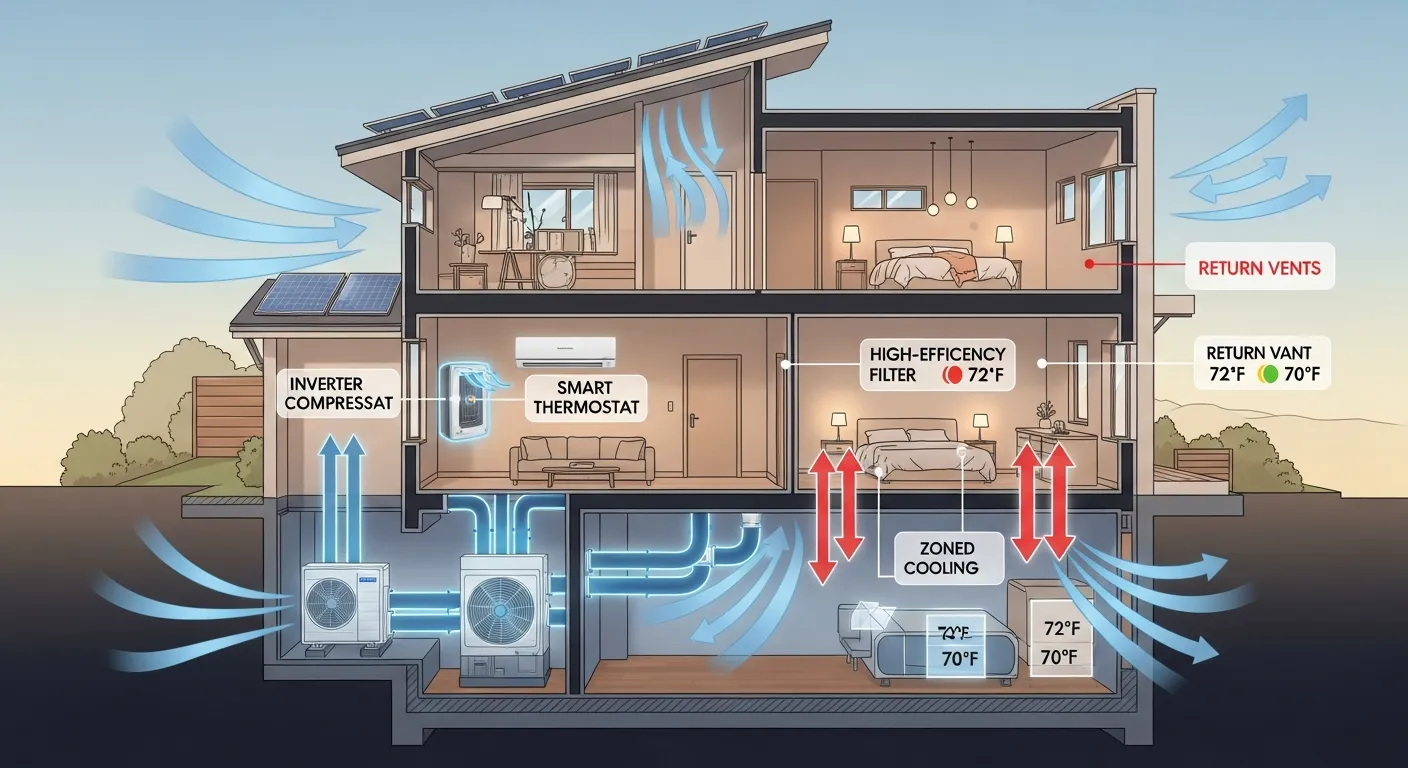
Smart thermostats and multi-zone sensors reduce energy waste. They ensure the environment-friendly AC only cools the areas of the home that are actually occupied. By learning your daily schedule, these devices optimize run times and prevent unnecessary power consumption.
This intelligence is a core feature of green cooling solutions. Your environment-friendly AC can automatically adjust itself when you leave the house. This guarantees you never waste money or energy cooling an empty space.
Sustainable Materials and Manufacturing
Eco-friendly manufacturers prioritize sustainable production. This includes using recycled metals and plastics to build the environment-friendly AC units. It also involves minimizing factory emissions during assembly.
Furthermore, companies ensure the appliance can be safely recycled at the end of its lifespan. Choosing an environment-friendly AC means supporting brands that care about their entire supply chain.
Understanding Green Cooling Technology
The technology behind cooling is advancing rapidly. To make the most of these innovations, you need to understand how they function in a residential setting.
You can read more about these advancements here:
what you need to know about green cooling technology
By staying informed, you can confidently select the best environment-friendly AC for your unique needs. Modern systems are designed to offer superior comfort while actively protecting the planet.
Top Types of Environment-Friendly AC Systems
If you are ready to upgrade your home, you have several innovative options to choose from. Each environment-friendly AC system offers unique benefits depending on your climate and housing structure.
Inverter Air Conditioners
Standard AC compressors operate on a simple “on/off” principle. They blast at 100% capacity until the room reaches the desired temperature, then shut off completely. An inverter environment-friendly AC operates entirely differently.
They continuously adjust the compressor speed to maintain a consistent temperature, using only the exact amount of power required. This eliminates massive energy spikes and reduces overall electricity consumption. It is a highly effective low power consumption ac solution.
Geothermal Cooling Systems
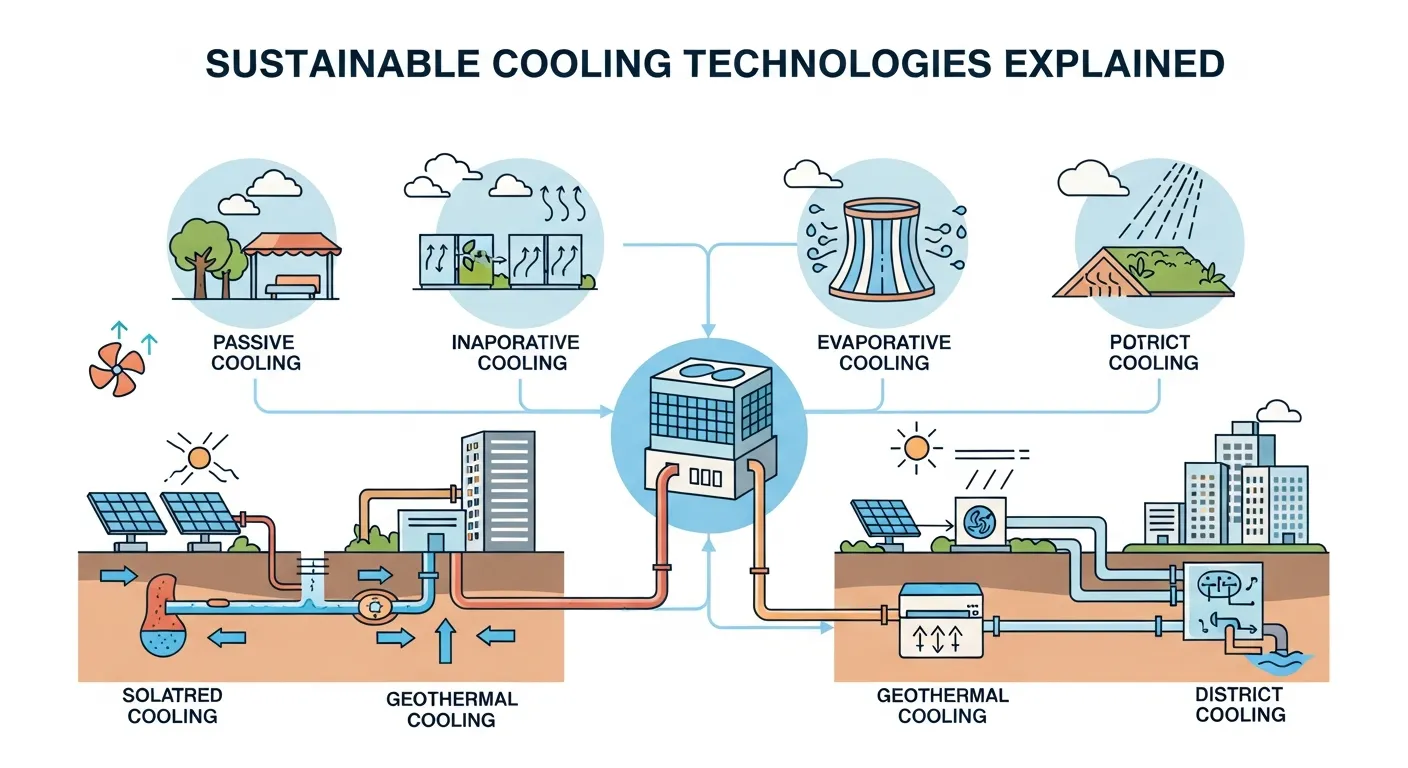
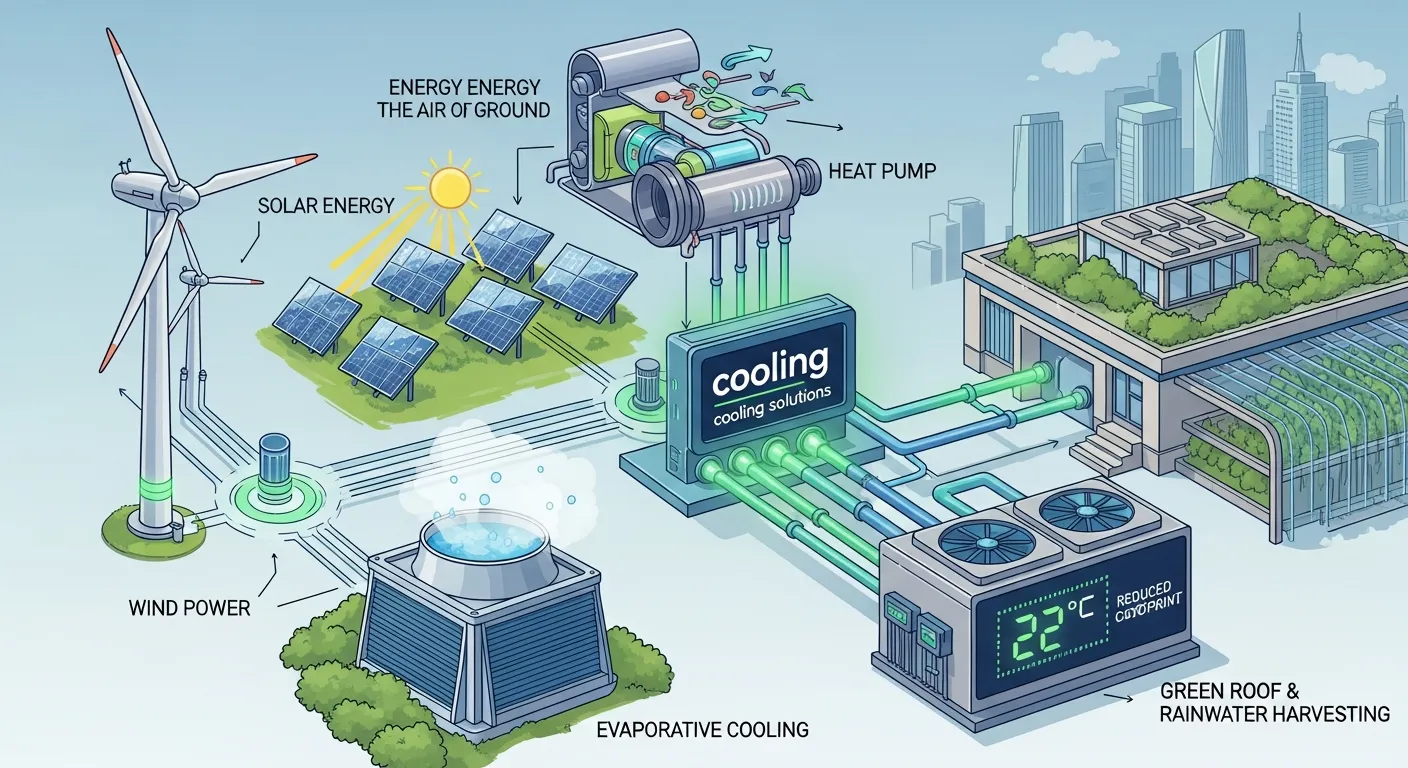
Geothermal systems capitalize on the stable temperatures found just a few feet below the earth’s surface. During the summer, a geothermal heat pump extracts heat from your home and transfers it into the cooler ground. It does this via a loop of underground pipes.
While the installation requires a higher upfront investment, this environment-friendly AC is incredibly efficient. It can drastically reduce your monthly utility bills. For long-term savings, a geothermal eco-friendly air conditioner is hard to beat.
Evaporative Coolers (Swamp Coolers)
For those living in hot, dry climates, evaporative coolers are a fantastic environment-friendly AC alternative. These systems pull warm outdoor air through water-saturated pads. The water evaporates, naturally chilling the air before it is blown into the home.
Because they use a simple fan and water pump instead of a complex refrigeration cycle, they consume a fraction of the electricity used by standard ACs. This makes them a brilliant energy-efficient air conditioner choice for desert regions.
Solar-Powered Air Conditioners
Harnessing the power of the sun to run an environment-friendly AC is a brilliant way to achieve zero-emission cooling. Hybrid solar air conditioners use a combination of solar energy and grid power. They seamlessly switch between the two to maintain peak efficiency.
Off-grid solar ACs run entirely on solar panels and battery storage. This makes them the ultimate environment-friendly AC for remote locations or strict off-grid living. They represent the pinnacle of green cooling solutions.
Ductless Mini-Split Systems
Ductless systems deliver customized cooling directly to individual rooms without the need for extensive ductwork. Traditional central air conditioning loses up to 30% of its energy through leaks in ducting. A ductless environment-friendly AC eliminates this energy loss entirely.
They also allow you to create specific cooling zones. You never waste power chilling an empty guest room. Upgrading to a ductless eco-friendly air conditioner is a fast way to lower your carbon footprint.
Comparing Environment-Friendly AC Options
To help you decide which environment-friendly AC is right for you, compare their features below.
|
AC System Type |
Energy Efficiency |
Ideal Climate |
Upfront Cost |
Operating Cost |
|---|---|---|---|---|
|
Inverter AC |
High |
All climates |
Moderate |
Low |
|
Geothermal |
Very High |
All climates |
Very High |
Very Low |
|
Evaporative |
High |
Hot and Dry |
Low |
Very Low |
|
Solar-Powered |
Very High |
Sunny climates |
High |
Very Low |
|
Ductless Mini-Split |
High |
All climates |
Moderate |
Low |
A Closer Look at Eco-Friendly Cooling Technologies
Behind every environment-friendly AC is a network of advanced technologies working together to maximize efficiency. These internal components define the system’s overall sustainability.
Variable-Speed Compressors
As briefly mentioned with inverter models, variable-speed compressors are game-changers for any environment-friendly AC. By running at lower speeds for longer periods, they provide better dehumidification and more consistent temperatures.
This steady operation consumes far less power than the constant starting and stopping of single-stage compressors. Every top-tier energy-efficient air conditioner utilizes this technology to save power.
Zoned HVAC Systems
Zoning involves installing multiple thermostats wired to a central control panel. This panel opens and closes dampers inside your ductwork, directing cooled air exactly where it is needed.
Zoned HVAC systems ensure maximum comfort while minimizing wasted energy. Pairing zoning with an environment-friendly AC drastically improves your home’s overall energy profile.
Advanced Filtration Systems
Many environment-friendly AC units feature robust filtration systems that capture dust, allergens, and pollutants. By keeping the internal components of the AC unit clean, these filters ensure the system runs at peak efficiency.
They also improve your indoor air quality. A clean environment-friendly AC does not have to work as hard, which naturally lowers its energy consumption.
How to Choose the Right Eco-Friendly AC
Selecting the perfect environment-friendly AC involves careful consideration of your specific needs. Keep these critical factors in mind when shopping for green cooling solutions.
Climate Considerations
Your local climate dictates which environment-friendly AC will work best. Evaporative coolers are useless in high humidity but perfect for the desert. Geothermal systems work well universally, while a solar-powered environment-friendly AC requires ample daily sunlight.
Home Size and Insulation
An environment-friendly AC unit must be properly sized for your home. A unit that is too small will run constantly and burn out. An oversized unit will cool the space too quickly without removing humidity.
Investing in high-quality home insulation ensures your new environment-friendly AC does not have to work overtime. Proper insulation paired with a low power consumption ac guarantees ultimate comfort.
Budget and ROI
Environment-friendly AC systems often carry a higher upfront cost than standard units. However, it is vital to calculate the long-term return on investment (ROI).
The dramatic reduction in your monthly utility bills will typically offset the initial purchase price over a few years. An eco-friendly air conditioner pays for itself through steady, ongoing energy savings.
Holistic Approaches to Green Cooling
Buying a new environment-friendly AC is only one part of the solution. You can optimize your environment-friendly AC by adopting holistic green cooling strategies around your house.
Passive Cooling Techniques
Reduce your reliance on your environment-friendly AC by keeping heat out in the first place. Install reflective window films, plant shade trees near south-facing windows, and use blackout curtains during the hottest parts of the day. Proper cross-ventilation in the evenings can also naturally flush hot air out of your home.
Behavioral Changes
Simple daily habits make a massive difference for your environment-friendly AC. Set your thermostat a few degrees higher during the summer. Use ceiling fans to circulate air, and avoid using heat-generating appliances like ovens during the late afternoon. These small shifts support your energy-efficient air conditioner.
Frequently Asked Questions (FAQ)
What exactly is an environment-friendly AC?
An environment-friendly AC uses minimal electricity and relies on low-GWP refrigerants. These systems are designed to reduce greenhouse gas emissions and lower your carbon footprint. They provide comfortable indoor temperatures without causing severe damage to the planet.
Does an environment-friendly AC cost more to install?
The initial purchase price of an environment-friendly AC is often higher than a traditional unit. However, the long-term savings on your energy bills usually make up for this difference. Local government rebates for green cooling solutions can also lower the upfront cost.
Can an environment-friendly AC improve my indoor air quality?
Yes, most modern units include advanced filtration systems that catch dust and allergens. Clean air is a great benefit of a new system. You can also explore top 10 organic products to boost your health to further improve your lifestyle.
Are ductless mini-splits considered an environment-friendly AC?
Yes, ductless systems are highly efficient because they eliminate the energy loss associated with ductwork. They allow you to cool specific zones in your home, preventing wasted energy. This makes them a fantastic eco-friendly air conditioner choice.
What is the best environment-friendly AC for a dry climate?
An evaporative cooler is an excellent environment-friendly AC for hot, dry regions. It uses water evaporation to cool the air, requiring very little electricity. It is the ultimate low power consumption ac for desert environments.
How does a variable-speed compressor help an environment-friendly AC?
A variable-speed compressor adjusts its output to match the cooling demand precisely. Instead of blasting at full power, it runs continuously at lower speeds. This saves massive amounts of electricity for your environment-friendly AC.
What does SEER mean when buying an environment-friendly AC?
SEER stands for Seasonal Energy Efficiency Ratio. It measures how much cooling an environment-friendly AC produces per unit of energy consumed. A higher SEER rating means a more energy-efficient air conditioner.
Is a geothermal environment-friendly AC worth the investment?
Geothermal systems are incredibly efficient because they use the stable temperature of the earth. While expensive to install, they offer massive reductions in heating and cooling costs. They are highly reliable green cooling solutions for long-term homeowners.
Can I run my environment-friendly AC on solar power?
Yes, solar-powered air conditioners use photovoltaic panels to generate cooling power. You can use hybrid models that switch between solar and grid power, or completely off-grid setups. A solar environment-friendly AC brings your cooling emissions down to zero.
How often should I maintain my environment-friendly AC?
You should have a professional service your environment-friendly AC at least once a year. Regularly changing air filters every few months is also crucial. Proper maintenance ensures your energy-efficient air conditioner runs smoothly and uses less power.
Cooling Our Homes While Protecting the Planet
Transitioning to an environment-friendly AC system is a powerful way to take action against global warming. You gain access to superior, consistent comfort while drastically cutting your monthly energy bills. More importantly, using an environment-friendly AC stops you from contributing to the harmful cycle of greenhouse gas emissions.
We no longer have to choose between personal comfort and environmental responsibility. Evaluate your home’s current setup, explore the green cooling solutions available, and consult with a professional. Make the switch to an environment-friendly AC today, and help ensure our planet remains a comfortable home for generations to come.
