
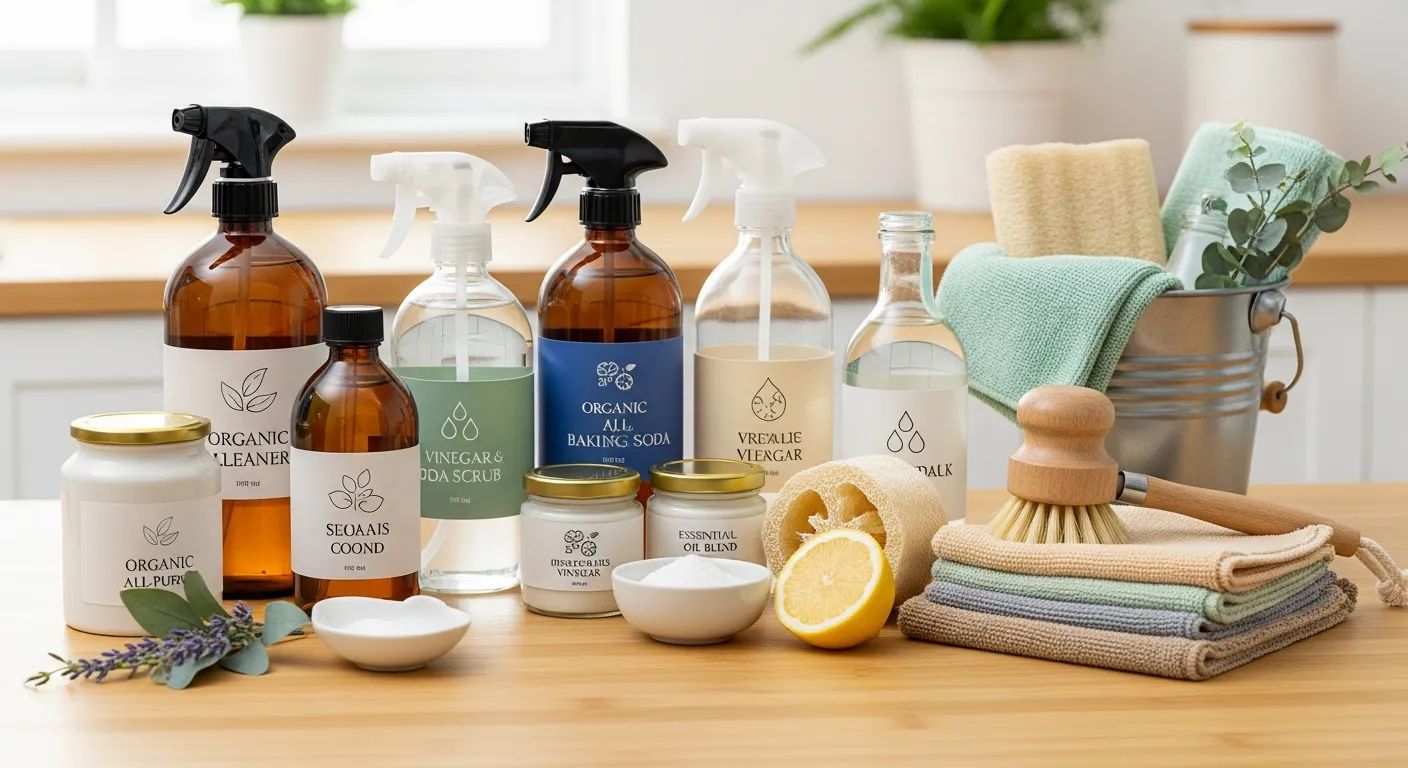
Organic household cleaners use plant-based ingredients to safely clean homes while protecting health and the environment. They reduce chemical exposure, improve air quality, and support sustainability, offering effective, eco-friendly alternatives to conventional cleaning products.
Walking down the cleaning aisle at your local grocery store can feel overwhelming. Brightly colored bottles promise to eliminate grime, destroy odors, and leave your home sparkling. Yet, a closer look at the ingredient lists often reveals a cocktail of harsh chemicals. That is why so many people are swapping conventional sprays for the best organic household cleaners available.
Organic cleaning products have skyrocketed in popularity over the last few years. Consumers want effective solutions that do not compromise their health or the environment. Choosing the best organic household cleaners means prioritizing ingredients derived from nature, avoiding synthetic dyes, and supporting sustainable manufacturing practices.
But what exactly makes a cleaner truly organic? The term is often confused with “natural” or “eco-friendly.” While natural products use earth-derived ingredients, the best organic household cleaners specifically contain ingredients grown without synthetic pesticides or fertilizers. Navigating this landscape requires a bit of knowledge, but the benefits for your home and health are well worth the effort.
The Health Benefits of Switching to Organic
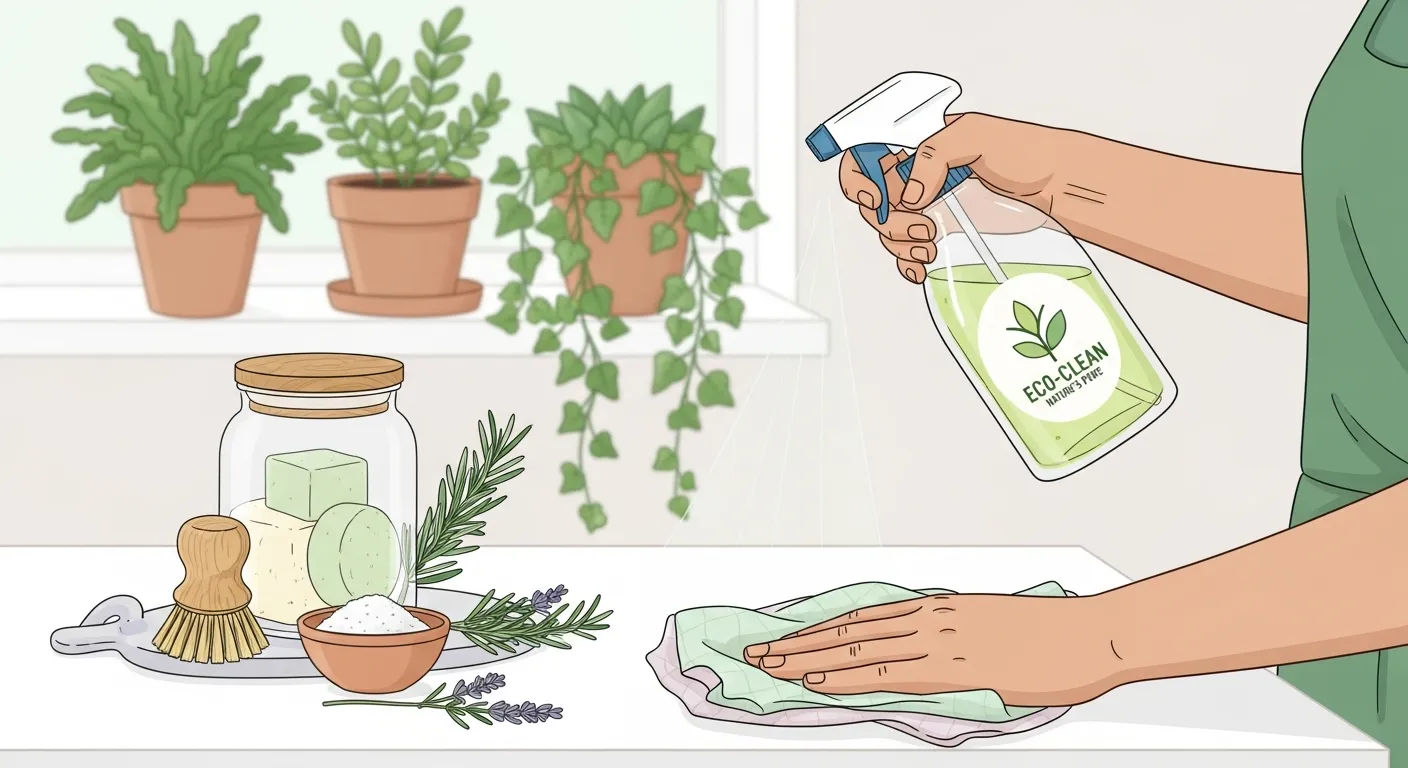
Your home should be a safe haven. Unfortunately, conventional cleaning supplies often introduce unwanted pollutants into your living spaces. Switching to the best organic household cleaners provides immediate health benefits for you and your family.
Reducing Exposure to Harsh Chemicals
Many standard cleaners contain volatile organic compounds (VOCs), ammonia, and bleach. These chemicals can trigger asthma, cause skin irritation, and lead to allergic reactions. The best organic household cleaners utilize plant-based cleaners that clean effectively without leaving toxic residues behind on your counters and floors. When you use non-toxic household cleaners, you actively lower your daily chemical load.
Improving Indoor Air Quality
Did you know the air inside your home can be more polluted than the air outside? Spraying chemical-laden cleaners releases fumes that linger for hours. The best organic household cleaners heavily rely on natural scents like citrus and essential oils. This keeps your indoor air fresh and free from synthetic fragrances that often cause headaches. Natural cleaners ensure that the air you breathe is pure and safe.
Protecting Children and Pets
Babies and pets spend a lot of time on the floor. They touch surfaces and frequently put their hands or paws in their mouths. Using the best organic household cleaners ensures your most vulnerable family members are not ingesting or absorbing harmful chemical residues. Eco-friendly cleaning products give parents peace of mind, knowing that a freshly mopped floor will not harm their crawling infant.
Environmental Impact of Conventional vs. Organic Cleaners
What goes down your drain eventually makes its way into the broader ecosystem. The environmental footprint of your cleaning routine matters just as much as the cleanliness of your home. Finding the best organic household cleaners is a crucial step in protecting our planet.
Water Pollution and Aquatic Life
When you rinse conventional cleaners down the sink, phosphates and synthetic chemicals enter waterways. These substances can cause algae blooms, which deplete oxygen in the water and harm aquatic life. The best organic household cleaners break down safely, keeping our rivers and oceans clean.
Biodegradability and Sustainable Sourcing
True organic products are biodegradable. The ingredients return to the earth without causing harm. Furthermore, organic farming practices used to grow these plant-based cleaners promote soil health and biodiversity. This makes the entire supply chain behind the best organic household cleaners much more sustainable.
Packaging and Carbon Footprint
Many organic brands take their environmental commitment beyond the liquid inside the bottle. They often use recycled plastics, glass bottles, or offer concentrated refill pouches.
- Recycled Materials: Bottles made from post-consumer recycled plastic.
- Glass Containers: Reusable and infinitely recyclable glass spray bottles.
- Concentrates: Tiny bottles of formula that you mix with water at home.
Key Ingredients in Effective Organic Cleaners
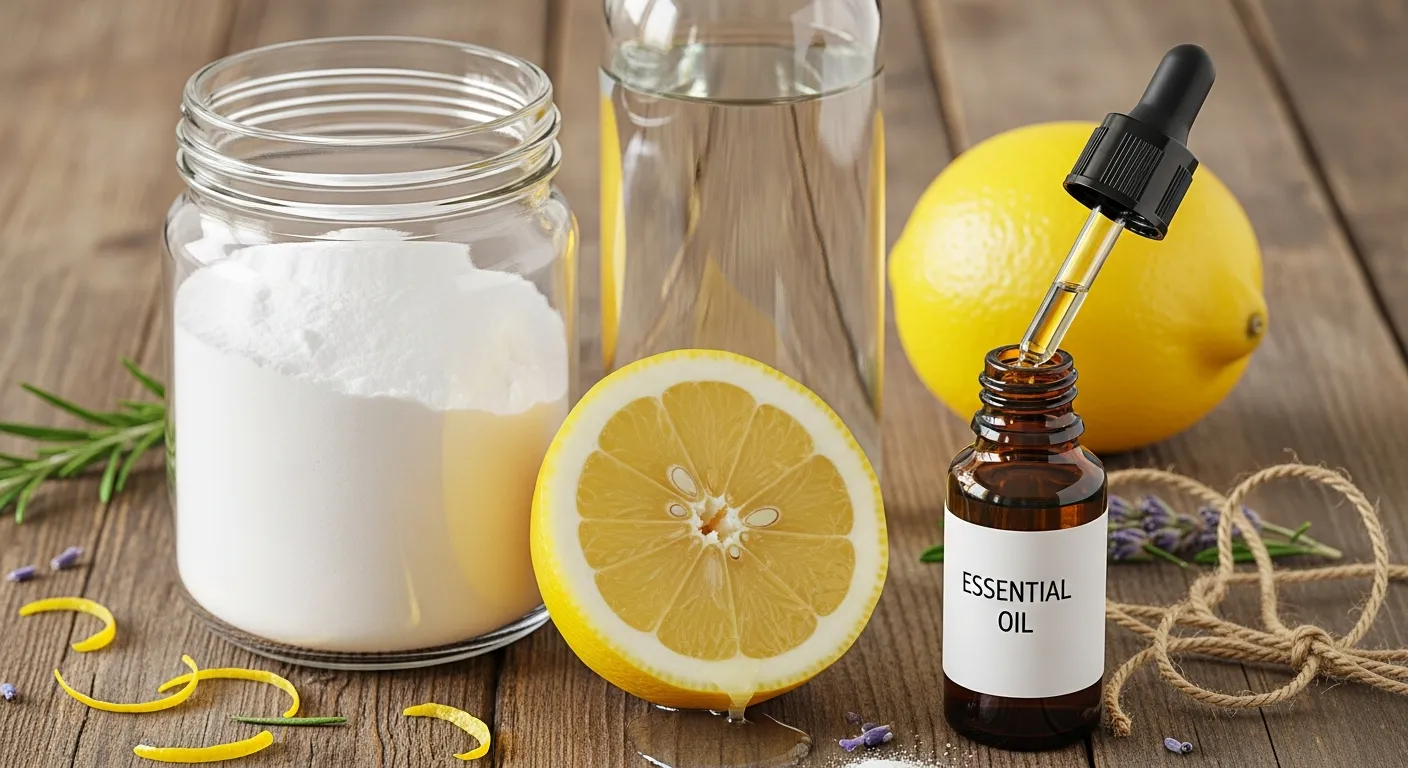
You do not need harsh chemicals to achieve a spotless home. Nature provides highly effective cleaning agents that tackle grease, grime, and bacteria. The best organic household cleaners harness these natural powerhouses.
Common Natural Cleaning Agents
White vinegar is a powerhouse for cutting through grease and removing mineral deposits. Baking soda acts as a gentle abrasive that deodorizes and scrubs away stubborn stains. Essential oils like tea tree, lavender, and lemon offer natural antibacterial properties and leave your home smelling wonderful. These ingredients form the base of many non-toxic household cleaners.
Surfactants and Solvents
Surfactants are what make soap foam and lift dirt from surfaces. The best organic household cleaners use plant-derived surfactants, often sourced from coconut or corn. These natural solvents dissolve grime just as effectively as their synthetic counterparts but without the environmental toll.
Certifications and Labels
Greenwashing is a real issue in the cleaning industry. To ensure a product is genuinely safe and organic, look for reputable third-party certifications.
Recognizing the Right Labels
The USDA Organic seal is the gold standard for organic ingredients. Additionally, the EPA Safer Choice label indicates that the product contains ingredients deemed safe for human health and the environment. The best organic household cleaners proudly display these certifications.
Top Organic Household Cleaners on the Market
If you are ready to make the switch, there are incredible products waiting for you. Here is a breakdown of the best organic household cleaners across various categories.
|
Cleaner Category |
Top Brand Example |
Key Ingredients |
Best For |
|---|---|---|---|
|
All-Purpose |
Branch Basics |
Plant-derived surfactants |
Kitchen counters, sinks |
|
Floors |
Aunt Fannie’s |
White vinegar, essential oils |
Hardwood, tile, linoleum |
|
Laundry |
Molly’s Suds |
Earth-derived minerals |
Sensitive skin, baby clothes |
|
Glass |
Attitude |
Plant-based solvents |
Windows, mirrors |
All-Purpose Cleaners
Branch Basics and Dr. Bronner’s Sal Suds dominate this category. These concentrated formulas can be diluted with water to tackle everything from kitchen counters to bathroom sinks. They represent the very best organic household cleaners because they are gentle on the skin but incredibly tough on dirt.
Kitchen and Bathroom Cleaners
For tough grease and soap scum, Better Life makes exceptional, eco-friendly cleaning products. Their kitchen and bath formulas utilize botanical extracts to cut through grime without requiring intense scrubbing.
Floor Cleaners
Aunt Fannie’s Vinegar Wash Floor Cleaner is a fan favorite. It uses the power of white vinegar and essential oils to leave hardwood, tile, and linoleum floors shiny and safe for bare feet.
Laundry Detergents
Molly’s Suds offers laundry powders and liquids made with earth-derived ingredients. They are free from synthetic fragrances and optical brighteners, making them perfect for sensitive skin.
DIY Organic Cleaning Recipes
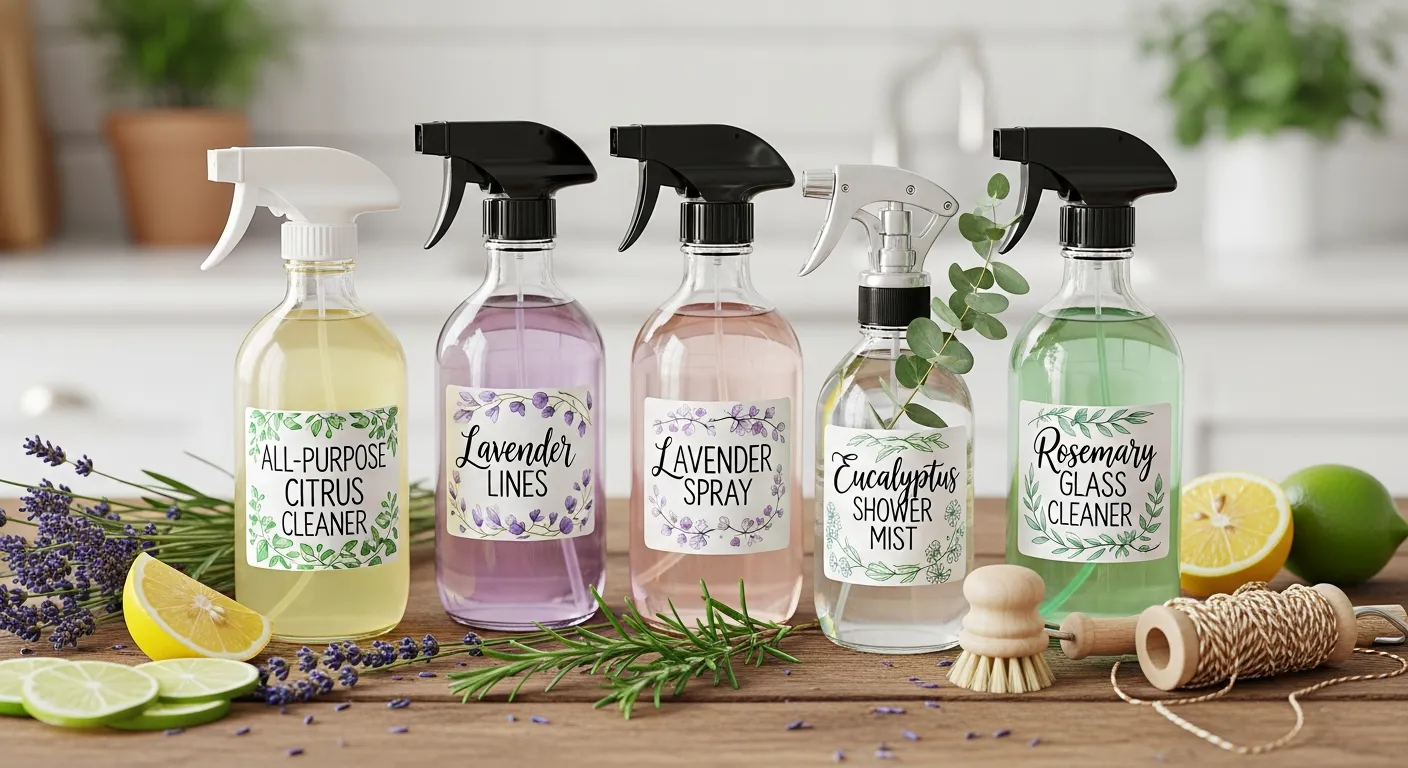
Making your own cleaners is incredibly satisfying. It saves money, reduces plastic waste, and gives you total control over the ingredients. Sometimes, the best organic household cleaners are the ones you make yourself. If you want to expand your homemade arsenal, you can explore natural cleaners DIY recipes for even more inspiration.
Basic All-Purpose Spray
Mix equal parts distilled white vinegar and water in a glass spray bottle. Add 15 drops of lemon or lavender essential oil to cut the vinegar scent. This spray works wonders on countertops, sinks, and most hard surfaces.
Glass Cleaner
Combine one cup of water, one cup of rubbing alcohol, and one tablespoon of white vinegar. Lightly spray on mirrors and windows, wiping clean with a microfiber cloth for a flawless finish. Natural cleaners like this leave zero streaks.
Drain Cleaner
Pour half a cup of baking soda down the drain, followed by half a cup of white vinegar. Cover the drain with a wet cloth and let it fizz for 15 minutes. Flush the pipes with boiling water to clear away grease and odors.
Tips for Effective DIY Cleaning
Always test your homemade plant-based cleaners on a small, inconspicuous area first. Remember that vinegar should never be used on natural stone like marble or granite, as its acidity can etch the surface.
How to Transition to an Organic Cleaning Routine
Switching your entire cleaning arsenal all at once can be expensive and wasteful. A gradual transition is the smartest approach to integrating the best organic household cleaners into your life.
Starting Small: One Room at a time
Begin by swapping out the products you use most often. An all-purpose spray for the kitchen is a great starting point. Once you use up your conventional bathroom cleaner, replace it with an organic alternative.
Reading Labels
Turn bottles around and read the ingredients. If a company does not disclose its ingredients, put it back on the shelf. Look for recognizable, plant-based cleaners and avoid anything listing “fragrance” without specifying its natural origin.
Maximizing Cost-Effectiveness
The best organic household cleaners can sometimes carry a higher price tag. To save money, invest in concentrated formulas that you dilute at home. You can also supplement your routine with inexpensive DIY recipes using baking soda and vinegar.
Debunking Myths about Organic Cleaners
A few lingering misconceptions prevent people from adopting natural cleaning methods. Let us set the record straight about the best organic household cleaners.
“They Do Not Clean As Well”
Plant-based surfactants and natural acids are incredibly powerful. Modern organic formulas have undergone rigorous testing to ensure they perform just as well—if not better—than chemical-heavy brands.
“They Are Too Expensive”
While some boutique brands charge a premium, many of the best organic household cleaners are quite affordable. Concentrates and DIY solutions are often cheaper per ounce than buying ready-to-use conventional sprays.
“They Aren’t Really Organic”
This is why certifications matter. By checking for USDA Organic or EPA Safer Choice labels, you can confidently purchase non-toxic household cleaners that meet strict health and environmental standards.
The Future of Organic Cleaning
The cleaning industry is undergoing a massive transformation. Consumers are demanding transparency, and brands are stepping up to the challenge to create the best organic household cleaners possible.
Innovations and Emerging Trends
We are seeing a huge push toward zero-waste packaging. Brands are developing cleaning tablets that dissolve in tap water, eliminating the need to ship heavy liquids and reducing plastic consumption entirely. Probiotic cleaners, which use good bacteria to eat away grime over time, are also gaining traction.
Growing Consumer Demand
Market predictions show continuous growth for the organic cleaning sector. As more people link their home environments to their overall wellness, the demand for safe, eco-friendly cleaning products will only increase.
Transform Your Home and Health Today
Choosing the best organic household cleaners is a powerful step toward a healthier home and a cleaner planet. You eliminate toxic fumes, protect your family from harsh chemicals, and support sustainable business practices.
The transition does not have to happen overnight. Start by swapping out your multi-surface spray or mixing up a simple vinegar solution in a glass bottle. Every small change contributes to a safer, greener living space.
Frequently Asked Questions
What makes the best organic household cleaners different from regular cleaners?
The best organic household cleaners use plant-based, earth-derived ingredients rather than synthetic chemicals. They are free from artificial fragrances, harsh solvents, and toxic preservatives. This makes them significantly safer for your respiratory health and your skin.
Are eco-friendly cleaning products safe for my pets?
Yes, genuinely organic and non-toxic household cleaners are much safer for pets. Since animals walk on floors and lick their paws, avoiding chemical residues is vital. Always check that the specific essential oils used in the product are pet-friendly.
Can I make the best organic household cleaners at home?
Absolutely, making your own plant-based cleaners is easy and cost-effective. Common pantry items like white vinegar, baking soda, and lemon juice work wonderfully. You can find more comprehensive strategies in this ultimate guide to sustainable household products to build your green cleaning kit.
Do natural cleaners actually kill germs and bacteria?
Yes, many natural ingredients possess strong antibacterial properties. Ingredients like white vinegar, hydrogen peroxide, and tea tree oil are excellent at disinfecting surfaces. However, for serious pathogens, you may need specific EPA-registered organic disinfectants.
Why do some natural cleaners still leave streaks on my windows?
Streaking usually happens when you use too much soap or when transitioning from chemical cleaners that left a waxy residue. The best organic household cleaners for glass use a simple mix of vinegar and alcohol. Using a clean microfiber cloth also prevents streaks.
Are the best organic household cleaners more expensive?
Upfront costs for bottled organic cleaners can be slightly higher than conventional brands. However, buying concentrates or making your own eco-friendly cleaning products saves a tremendous amount of money over time. It is a highly cost-effective lifestyle choice.
How do I know if a product is truly an organic household cleaner?
Always look for reputable third-party certifications on the label. The USDA Organic seal and the EPA Safer Choice label are strong indicators of authenticity. Avoid products that simply say “green” without listing their specific plant-based ingredients.
What is the best organic household cleaner for tough bathroom mold?
Mold requires a bit more power than just gentle soap. Hydrogen peroxide is a fantastic, non-toxic household cleaner for killing mold spores. You can also use a thick paste of baking soda and vinegar to scrub away the lingering stains.
Can plant-based cleaners be used on hardwood floors?
Yes, but you must use the right formula. The best organic household cleaners for wood floors are pH-neutral and do not contain heavy acids. A very diluted solution of gentle castile soap and water is usually the safest bet for maintaining your hardwood finish.
Do organic cleaning products expire faster than chemical ones?
Because they lack synthetic preservatives, some natural cleaners have a shorter shelf life. Typically, DIY mixtures should be used within a few weeks to months. Store-bought organic cleaners usually last about one to two years if kept in a cool, dark place.
