
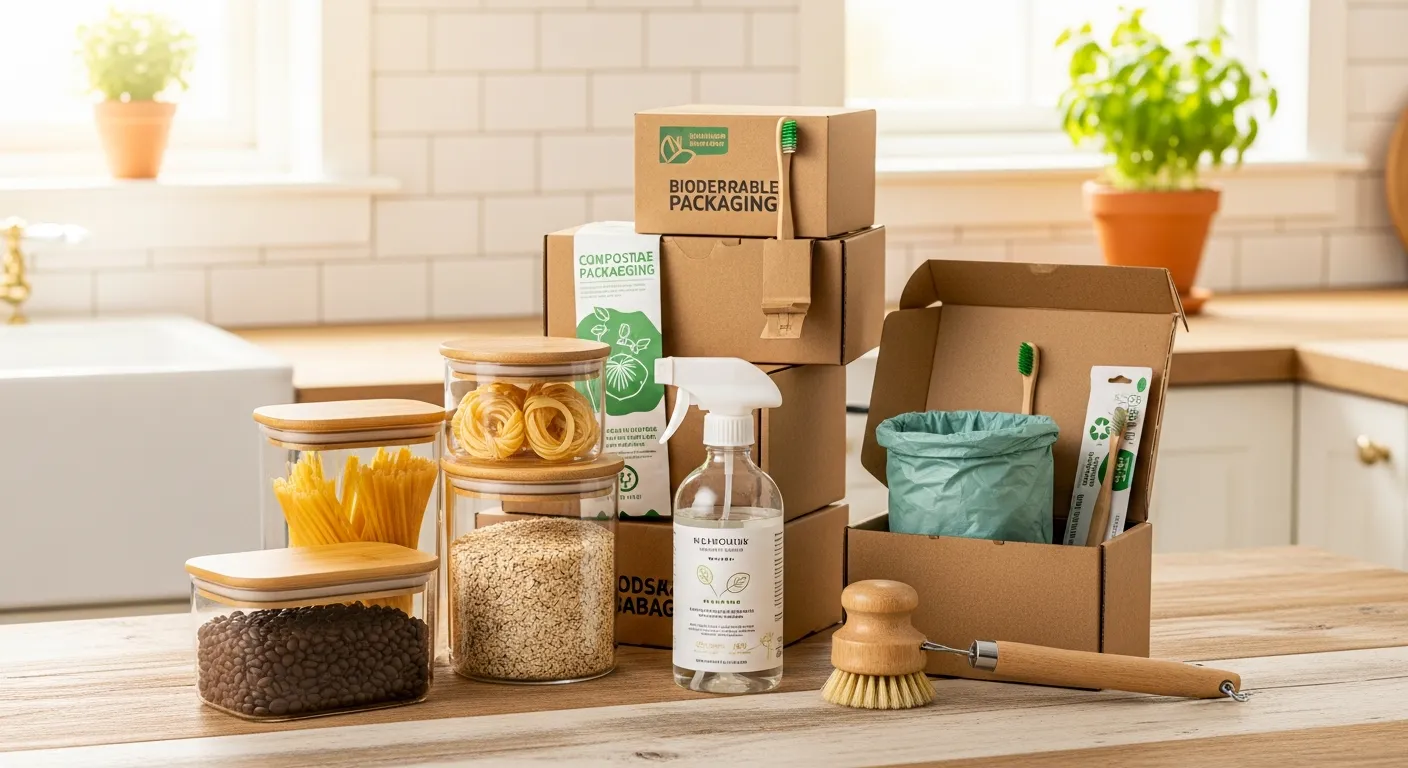
Sustainable household products help reduce waste, lower carbon footprints, and create healthier living spaces. By switching to eco-friendly alternatives in daily routines, households can minimize environmental impact while promoting safer, more responsible consumption habits.
Every time we wash the dishes, do a load of laundry, or clean the bathroom, we make choices that directly affect our environment. Conventional goods rely heavily on harsh chemicals, single-use plastics, and unsustainable manufacturing processes. These materials easily pollute local waterways, fill up global landfills, and contribute to a rapidly growing waste crisis.
Sustainable household products offer a highly practical and accessible alternative. Designers create these goods with the environment in mind, utilizing renewable resources, biodegradable materials, and zero-waste packaging. By opting for eco friendly home products, you actively reduce your daily carbon footprint while creating a safer, less toxic living space for your family.
Transitioning to a greener lifestyle does not require you to throw away everything you own overnight. It is a steady, gradual process of making better choices as you naturally run out of your current supplies. This comprehensive guide will walk you through the most effective ways to introduce sustainable household products into every room of your home, helping you build a lifestyle that is both environmentally responsible and deeply rewarding.
Why Sustainable Household Products Matter
Understanding the impact of your purchasing decisions is the first step toward building a greener home. When you invest in sustainable household products, you cast a vote for ethical manufacturing and environmental preservation. Traditional manufacturing often depletes natural resources at an alarming rate.
Choosing eco friendly home products means supporting companies that prioritize fair trade, carbon-neutral shipping, and safe labor practices. It also means bringing fewer toxic compounds into your living space. Many conventional items off-gas volatile organic compounds (VOCs) that degrade your indoor air quality over time.
Using green cleaning products and sustainable home essentials eliminates these hidden dangers entirely. You protect your family’s health while simultaneously protecting local ecosystems from chemical runoff. Ultimately, making the switch to sustainable household products is a powerful act of environmental stewardship.
For inspiration and to discover excellent product ideas, see this resource on greener home essentials.
The Kitchen: Heart of the Eco-Friendly Home
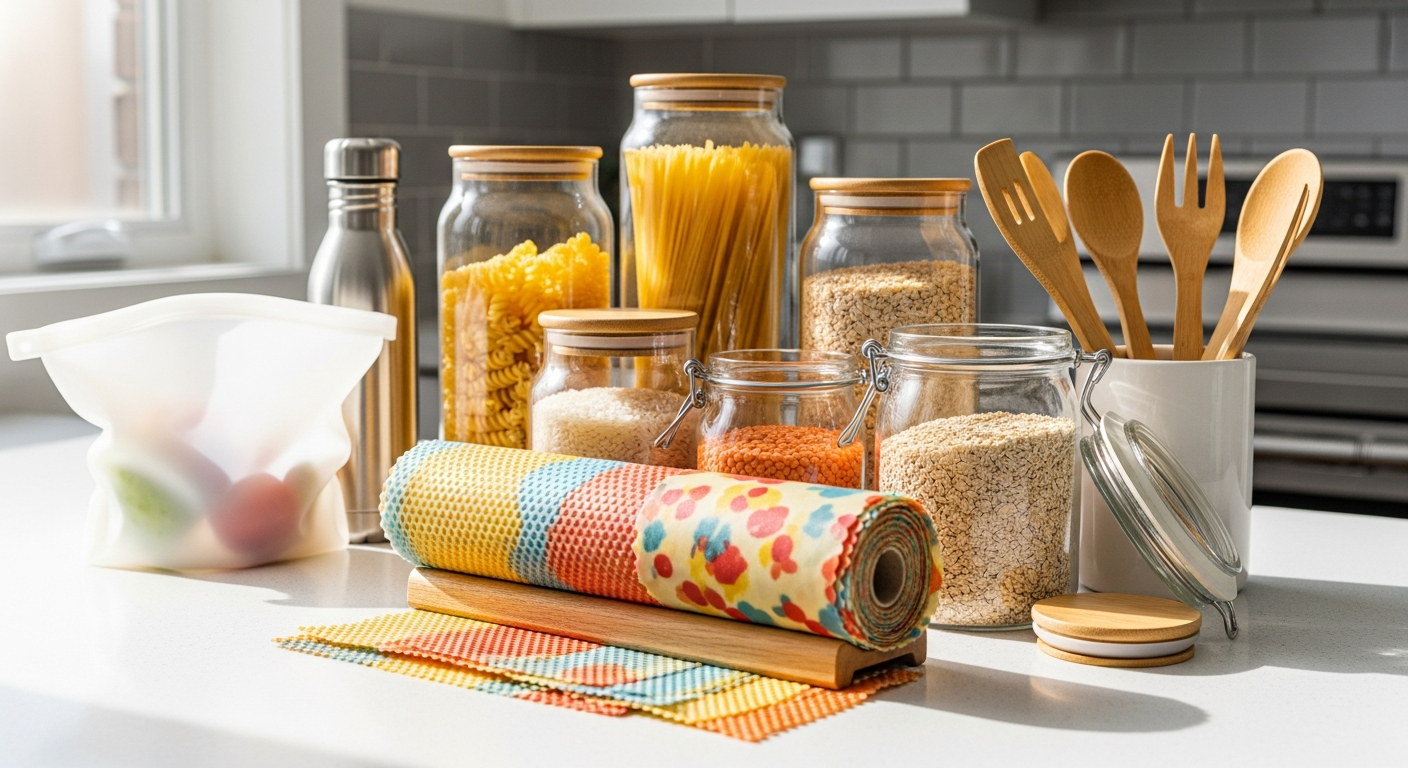
The kitchen generates a significant amount of daily household waste, from food scraps to plastic packaging. Fortunately, it is also the absolute easiest place to start implementing sustainable habits.
Reusable Food Storage Solutions
Plastic wrap and disposable sandwich bags offer quick convenience, but they take centuries to decompose in landfills. You can easily replace these wasteful items with reusable sustainable household products. Silicone storage bags can be washed and reused thousands of times without degrading.
Beeswax wraps offer another excellent, biodegradable option for covering bowls or wrapping up half-cut fruits and vegetables. These zero waste household items keep your food fresh without contributing to the global plastic pollution crisis.
Natural and Green Cleaning Products
Many commercial kitchen cleaners contain harsh synthetic chemicals that linger on your countertops. You can achieve the exact same level of cleanliness using simple pantry staples like white vinegar and baking soda. These natural ingredients work wonders on stubborn grease and grime.
If you prefer buying ready-made solutions, look specifically for green cleaning products that use natural enzymes and essential oils. These sustainable household products cut through messes rapidly without leaving any toxic residues behind on your food prep surfaces.
Tips for a Zero Waste Kitchen:
- Buy food in bulk to reduce packaging waste.
- Choose dish brushes and scrubbers made from bamboo or recycled materials.
- Switch to glass jars and stainless steel canisters for long-term food storage.
- Reuse grocery bags and compost cardboard packaging when possible.
Composting and Waste Reduction Strategies
Food scraps make up a massive portion of everyday garbage. Starting a small countertop compost bin allows you to turn banana peels, coffee grounds, and eggshells into nutrient-rich soil. This simple habit drastically reduces the amount of organic waste you send to the landfill.
When organic waste breaks down in a landfill, it releases methane, a potent greenhouse gas. Composting prevents this release while providing free, natural fertilizer for your houseplants or garden. It is a cornerstone practice for anyone utilizing eco friendly home products.
Sustainable Small Appliances
Consider choosing kitchen appliances and gadgets designed with sustainability in mind. Brands now offer energy-efficient blenders, low-waste strainers, and compostable coffee pods. Swapping to long-lasting, repairable hardware makes your kitchen part of a holistic sustainable household products ecosystem.
Kitchen Swaps
|
Traditional Item |
Sustainable Alternative |
Environmental Benefit |
|---|---|---|
|
Plastic Wrap |
Beeswax Wraps |
Reduces single-use plastic waste |
|
Chemical Sprays |
Green Cleaning Products |
Eliminates toxic indoor runoff |
|
Paper Towels |
Bamboo Cloths |
Saves trees and reduces landfill mass |
|
Plastic Sponges |
Loofah Sponges |
Biodegradable and microplastic-free |
|
Zip-Lock Bags |
Silicone Storage Bags |
Lasts for years, avoids plastic trash |
|
Plastic Cutlery |
Bamboo/Stainless Utensils |
Sustainable, reusable, non-toxic |
The Bathroom: A Sanctuary of Sustainability
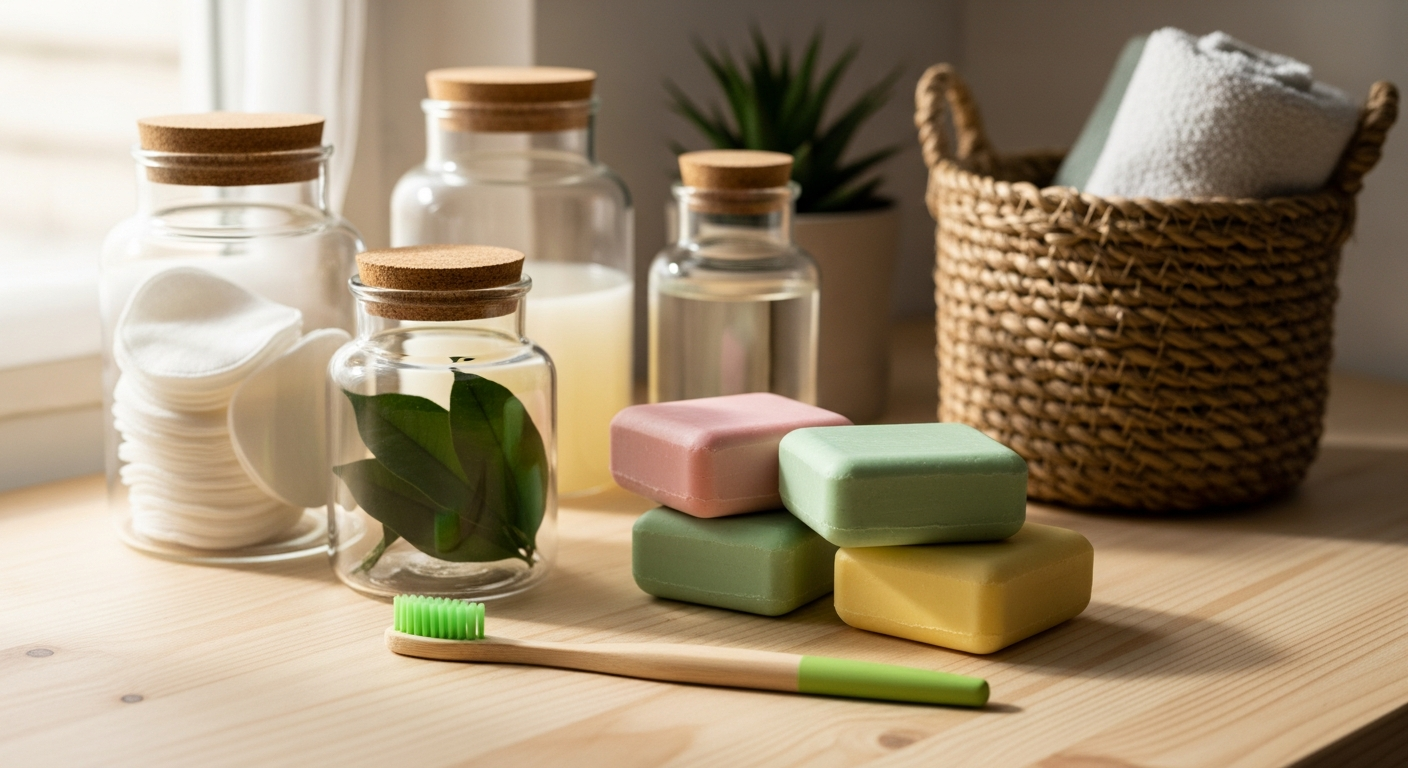
Bathrooms rely heavily on plastic bottles and high daily water consumption. A few smart swaps can easily turn this space into a true eco-friendly sanctuary.
Water-Saving Fixtures and Habits
Conserving water stands as a major pillar of sustainable living. Installing a low-flow showerhead can save your family thousands of gallons of water per year. It does this without sacrificing any noticeable water pressure.
Simply turning off the tap while brushing your teeth is another highly effective way to conserve this vital resource. Pair these habits with sustainable household products to maximize your environmental impact.
Additional Water-Saving Strategies:
- Fix leaky faucets promptly.
- Install dual-flush toilet systems.
- Collect shower water for watering plants.
- Take shorter showers to minimize usage.
Zero Waste Household Items for Personal Care
The beauty and personal care industry produces billions of unrecyclable plastic bottles annually. You can actively combat this by switching to shampoo and conditioner bars. These sustainable home essentials typically come in fully recyclable or compostable paper packaging.
Swap your standard plastic toothbrush for a biodegradable bamboo alternative. You can also explore refillable body wash and lotion programs offered by many local zero-waste shops. These zero waste household items keep your bathroom shelves clean and green.
Green Cleaning Products for Tough Areas
Bathrooms require germ-fighting cleaners. Opt for products featuring citric acid, essential oils, or naturally-derived disinfectants. Many sustainable household products come as concentrated tablets—just dissolve them in reusable bottles. Cleaning tools made with coconut husks or recycled plastic further support your zero waste household items mission.
Sustainable Bath Linens:
- Invest in towels made from organic cotton or bamboo.
- Avoid synthetic fibers that shed plastics in the wash.
- Wash linens in cold water and line dry for energy savings.
The Laundry Room: Washing Wisely
Laundry routines consume massive amounts of energy and fresh water. Adjusting how you wash your clothes can have a profound impact on your home’s overall environmental footprint.
Eco-Friendly Detergents and Practices
Traditional liquid detergents are heavy to ship and usually come in thick plastic jugs. Switching to concentrated laundry strips or powder detergents packaged in cardboard helps reduce plastic waste. These sustainable household products also lower shipping emissions significantly.
Always look for biodegradable green cleaning products that are completely free of synthetic dyes and artificial fragrances. These formulas protect local waterways from harmful chemical pollution.
More Sustainable Laundry Practices:
- Use cold water for nearly all loads to save energy.
- Wait to run full loads and avoid excess rinse cycles.
- Choose renewable-dryer balls over single-use sheets.
- Consider air-drying clothing for greater efficiency.
Reducing Microplastic Pollution
Synthetic fabrics like polyester and nylon shed tiny plastic fibers during every single wash cycle. These microplastics eventually make their way through filtration systems and into rivers and oceans. You can catch these fibers before they drain away.
Wash your synthetic clothes in a specialized filter bag designed to trap microplastics. Alternatively, you can install a microplastic filter directly onto your washing machine’s discharge hose. This is a crucial step in utilizing eco friendly home products responsibly.
Extend the Life of Your Wardrobe
Prolonging the life of your clothes is a key way to embrace sustainable household products:
- Repair small tears and loose seams rather than discarding garments.
- Donate or upcycle outgrown items.
- Avoid high-heat dryers which degrade fabric faster.
- Buy quality over quantity—choose garments that will last many seasons.
Living Room & Bedroom: Sustainable Home Essentials

Sustainability extends far beyond cleaning supplies and washing habits. The furniture you buy and the energy you consume in your living spaces matter just as much. Learning about household products for a greener home helps you make informed choices about your interior design.
Sustainable Furniture and Decor
Fast furniture, much like fast fashion, is designed to be cheap and easily disposable. When furnishing your home, prioritize second-hand pieces from thrift stores or local antique shops. Giving old furniture a second life is the ultimate form of recycling.
If you must buy new items, seek out companies that use reclaimed wood or recycled metals. Look for sustainable home essentials crafted from materials certified by the Forest Stewardship Council (FSC). These sustainable household products ensure responsible forestry practices.
Eco-Friendly Decor Ideas:
- Use natural fiber rugs (jute, wool, cotton).
- Decorate with upcycled glass or ceramic vases.
- Display houseplants for clean air and aesthetic appeal.
- Hang art printed on recycled paper with non-toxic inks.
Energy-Efficient Lighting
Replacing old incandescent bulbs with LED lighting is a quick, highly effective sustainable swap. LED bulbs use significantly less electricity and last many years longer than traditional options. Make it a daily habit to open your blinds and utilize natural sunlight.
Relying on natural light instead of artificial fixtures lowers your energy consumption drastically. Pair this with zero waste household items like organic cotton curtains to keep your living room environmentally friendly.
Home Office: Sustainable Household Products for Remote Work
As remote work becomes more common, creating a sustainable office at home matters:
- Opt for desk organizers and stationery made from recycled materials.
- Digitize paperwork to minimize paper product waste.
- Use refillable pens and clipboards crafted from bamboo or metal.
- Choose an ergonomic office chair made from eco-friendly fabrics or responsibly-sourced materials.
Outdoor Spaces: Sustainable Home Essentials for Yards and Gardens
Apply your green values outdoors:
- Use solar-powered garden lights instead of mains-powered or battery lights.
- Choose rain barrels to collect and reuse water on your plants.
- Plant native species which require less water and fertilizer.
- Compost yard waste and utilize eco-friendly mulches for beds.
Outdoor Sustainable Swaps
|
Traditional Item |
Sustainable Alternative |
Outdoor Benefit |
|---|---|---|
|
Battery Garden Lights |
Solar LED Lights |
Renewable, no hazardous waste |
|
Chemical Fertilizers |
Organic/Natural Fertilizers |
Safer for pets, pollinators, children |
|
Gas Lawn Mower |
Manual or Electric Mower |
Reduces emissions and noise |
|
Plastic Pots |
Biodegradable Fiber Pots |
Compostable at end of life |
Making the Switch: Tips for a Smooth Transition
Transforming your house into a green home can sometimes feel overwhelming. Following a few highly practical strategies will make the entire process much smoother and far more enjoyable.
Start Small and Gradually Replace Products
Do not throw out half-full bottles of conventional cleaners just to buy eco friendly home products. The most sustainable choice is to actually use up what you already have. Once a product finally runs out, simply replace it with a greener alternative.
This gradual approach prevents unnecessary waste and makes the transition much easier on your weekly budget. Incorporating sustainable household products should be a marathon, not a sprint.
Budget Tips:
- Shop sales or join community buy/swap groups.
- Focus on the most impactful swaps first (laundry, cleaning, food storage).
- Use government or utility rebates for upgrading appliances.
Understand Certifications and Labels
Greenwashing is a deceptive marketing tactic where companies make false claims about their environmental impact. To ensure you are buying genuinely sustainable household products, look closely for trusted third-party certifications. Labels like Fair Trade, USDA Organic, B-Corp, and Energy Star provide strict verification.
These certifications guarantee that a product meets rigorous environmental and ethical standards. They take the guesswork out of shopping for green cleaning products and sustainable home essentials.
Special Focus: Sustainable Household Products for Kids and Pets
Children and pets are close to the ground—literally and figuratively—so what you use in your home affects their well-being.
Eco-Friendly Options For Kids:
- Toys made from wood, natural rubber, or recycled plastics.
- Organic cotton crib sheets and clothing.
- Non-toxic, washable art supplies.
Green Pet Essentials:
- Biodegradable waste bags for dogs.
- Natural fiber collars, beds, and toys.
- Grooming products with plant-based ingredients.
Frequently Asked Questions About Eco-Friendly Homes
Are sustainable household products actually effective?
Yes, many plant-based cleaners, solid dish soaps, and concentrated laundry detergents are formulated to perform incredibly well. Natural acids, enzymes, and abrasives like baking soda have been used for generations because they genuinely work. You do not need harsh chemicals to maintain a perfectly clean house.
How do organic materials impact my home environment?
Choosing organic textiles and cleaners prevents synthetic pesticides and herbicides from entering your living space. Research shows organic products are key to health and life because they reduce your daily exposure to harmful toxins. This creates a much safer breathing environment for children and pets.
How can I make my home more sustainable if I rent?
Renters have plenty of excellent options for utilizing eco friendly home products. You can switch out lightbulbs to LEDs, practice cold-water laundry, and choose green cleaning products without altering the property. Using zero waste household items requires absolutely no permission from a landlord.
Why are zero waste household items more expensive upfront?
Zero waste household items often cost more initially because they are made from high-quality, durable materials meant to last for years. However, they save you a significant amount of money in the long run. Buying one reusable silicone bag is cheaper than buying hundreds of plastic bags over a decade.
What is the best way to dispose of old chemical cleaners?
Never pour harsh chemical cleaners down the drain, as they can severely contaminate local water supplies. Contact your local waste management facility to find out when they host hazardous waste collection days. Safely disposing of these chemicals makes room for your new green cleaning products.
Does switching to eco friendly home products help with allergies?
Yes, switching to sustainable household products often reduces indoor allergy symptoms. Conventional cleaners and synthetic air fresheners contain volatile organic compounds that easily irritate the respiratory system. Natural, fragrance-free green cleaning products keep the air much cleaner and easier to breathe.
Why should I prioritize organic items in my kitchen?
The kitchen is where you prepare all your meals, making it a critical zone for safety. Experts agree that organic products are key to health and life because they ensure your food preparation areas remain free of toxic chemical residues. Utilizing sustainable home essentials here protects your family’s internal health.
What are sustainable home essentials for a bedroom?
Sustainable home essentials for the bedroom include organic cotton sheets, natural latex mattresses, and sustainable wood bed frames. You can also incorporate zero waste household items like refillable glass water carafes. These choices promote better sleep hygiene and reduce indoor air pollution.
Can I make my own green cleaning products at home?
Absolutely, making DIY green cleaning products is simple, safe, and highly cost-effective. You can create an excellent all-purpose cleaner using just water, white vinegar, and a few drops of essential oil. This allows you to completely control the ingredients in your sustainable household products.
How does eco-friendly living affect my overall well-being?
Living sustainably reduces your exposure to toxic chemicals and fosters a deeper connection to the environment. Studies suggest organic products are key to health and life by supporting both physical health and mental peace of mind. Knowing you are making responsible choices reduces eco-anxiety significantly.
Conclusion: Start Your Green Home Journey Today
Building a truly eco-friendly home is a continuous, rewarding process of learning and adapting. By prioritizing sustainable household products in your kitchen, bathroom, laundry room, and beyond, you directly contribute to a much healthier planet. You actively reduce plastic pollution, conserve vital natural resources, and minimize the toxic chemicals flowing into our delicate ecosystems.
Take a good look around your house today and identify just one item you can swap out for a sustainable alternative this week. Whether you purchase a bamboo toothbrush, start a small compost bin, or switch to green cleaning products, every single action counts. Embrace the power of eco friendly home products and transform your living space into a sustainable sanctuary.
