

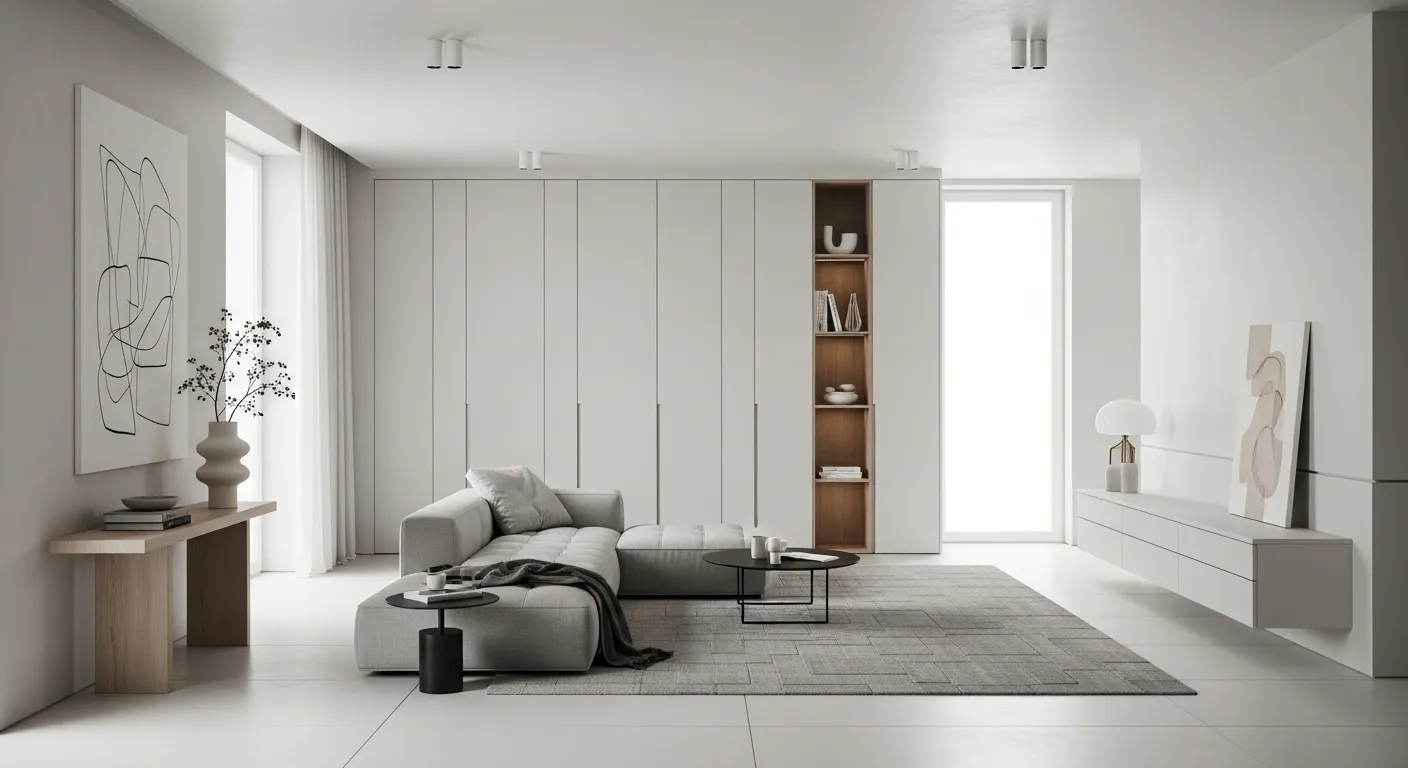
Household organization tips for the home reduce stress, save time, and improve daily life. By decluttering, building habits, and applying room-by-room strategies, you can transform cluttered spaces into functional, calm environments that are easy to maintain.
Walking into a messy home at the end of a long day instantly drains your energy. Piles of mail on the counter, shoes scattered across the hallway, and overflowing closets create a constant visual reminder of unfinished tasks. This physical clutter translates directly into mental clutter. It increases stress levels and makes it difficult to relax in the place you should feel most comfortable.
An organized home offers profound psychological and practical advantages. When everything has a designated place, you spend less time searching for lost items and more time enjoying your daily life. You save money by not repurchasing things you already own but simply could not find. A tidy environment fosters a sense of calm and control.
Achieving this state of domestic tranquility does not require hiring an expensive professional. It requires a systematic approach, a shift in mindset, and a commitment to maintaining new habits. By tackling your home room by room and implementing proven strategies, you can transform your living space into a functional sanctuary. Let us explore the best household organization tips to get you started.
The Foundation of Home Cleaning and Organization
Before buying a single storage bin, you need to prepare mentally for the task ahead. True home cleaning and organization is a continuous process, not a one-time event. You must build routines that support a tidy space over the long term.
Take a moment to define your motivation. Think about what drives your desire to organize your space. Perhaps you want to host friends without feeling embarrassed by the mess. Maybe you need a functional home office to improve your productivity. Keeping this primary motivation at the forefront of your mind helps you push through the inevitable moments of fatigue.
Avoid the temptation to reorganize your entire house in a single weekend. That approach usually leads to burnout and half-finished projects. Instead, set small, achievable goals. Commit to organizing one drawer, one closet, or one room at a time. Celebrate these small victories to build lasting momentum.
Remember, success in organization depends on mindset as much as method. When you view tidying up as a chance to create calm and space, not a punishment, you’ll experience the benefits more deeply. Plan your organization time just like other appointments and treat it as a priority in your weekly routine.
Creating Lasting Organization Habits
Incorporate simple, daily habits such as tidying up common areas before bed or making the bed each morning. Family participation is also crucial—assign age-appropriate organization tasks to all family members so maintaining order becomes part of your home culture. Regularly revisit your household organization tips to refresh your perspective and adjust for any new challenges or lifestyle changes.
Essential Decluttering Tips and Strategies
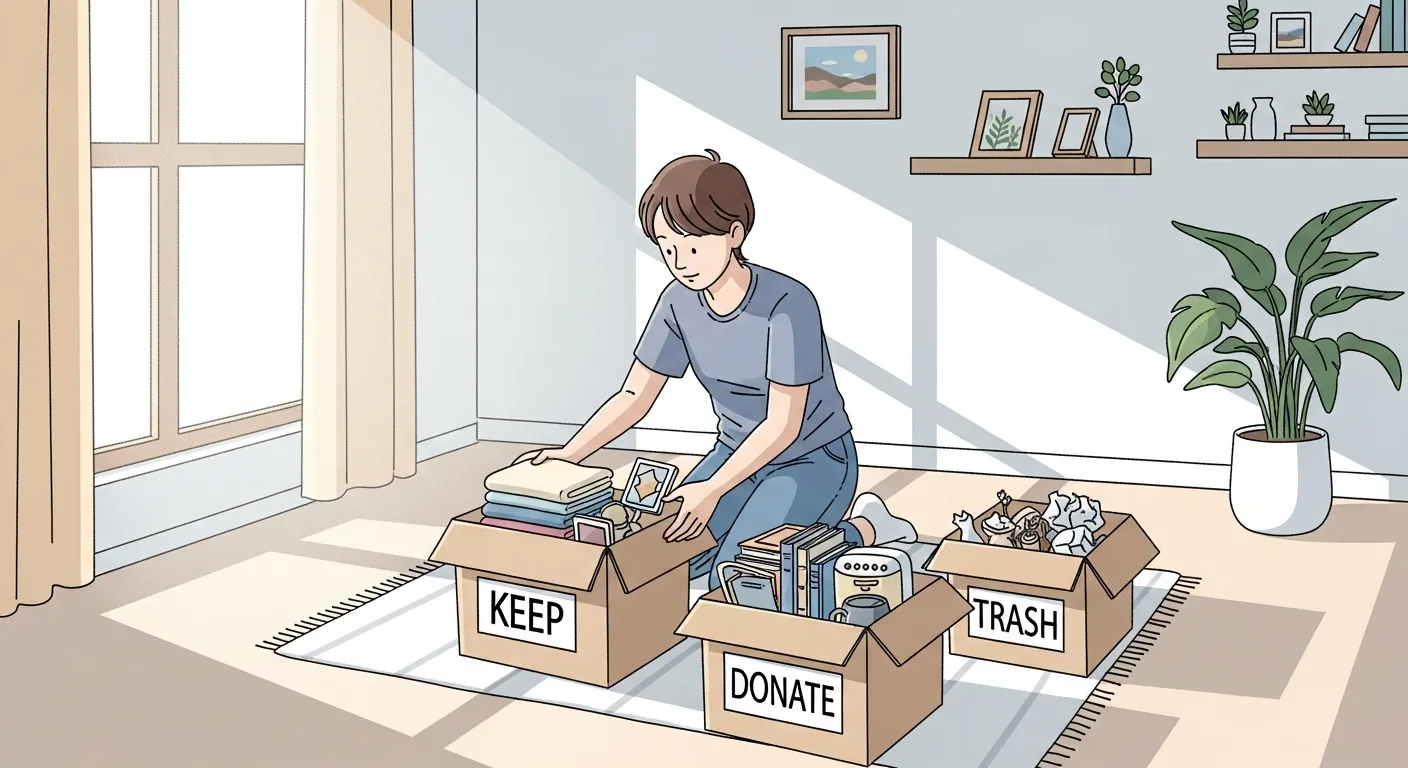
You cannot organize clutter. Before finding a home for your belongings, you must reduce the volume of things you own. Implementing effective decluttering tips ensures you only keep what serves a purpose or brings you joy.
Use the Four-Box Method to streamline this process. Label four boxes as Keep, Donate, Trash, and Relocate. As you go through a space, force yourself to place every single item into one of these categories. This prevents you from simply shifting piles of junk from one room to another.
For additional guidance on letting things go, you can find helpful strategies online.
View excellent decluttering tips here.
Once you have purged your belongings, implement the “one-in, one-out” rule. For every new item you bring into your home, an older item must leave. This simple boundary prevents clutter from creeping back into your freshly organized spaces.
Emotional Decluttering & Sentimental Items
The hardest items to organize are often attached to memories. Dedicate a special storage area—like a keepsake box or small chest—for the most treasured items. This allows you to honor your past without letting it dominate your home.
For other items, ask tough but honest questions: Does this truly add value—or is it simply taking up space? If you can’t decide, put uncertain items in a “maybe” box, seal it, and revisit after 3–6 months. If you haven’t needed or missed them, you’re ready to let them go.
Decluttering Tips for Different Seasons
Every season brings its own organizational needs. In the spring, tackle closets and entryways as you swap out winter wear for lighter clothing. Summer is perfect for tidying up garages and outdoor storage; autumn and winter tend to focus on living spaces as you spend more time indoors. Set small, season-specific goals such as “organize holiday décor” or “clear out the summer gear,” ensuring progress throughout the year.
Room-by-Room Home Organization Ideas
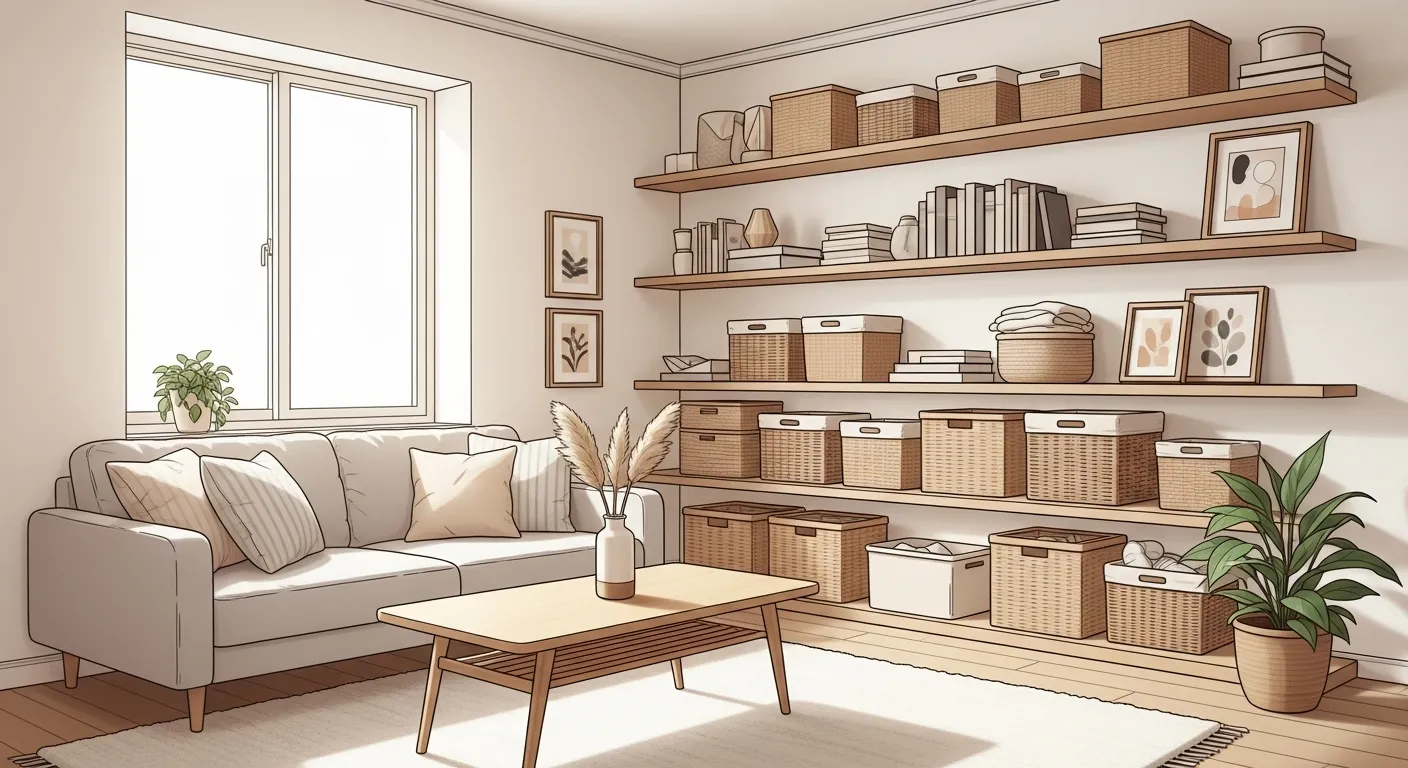
Breaking your home into clearly defined zones turns a potentially overwhelming task into a simple, step-by-step system. Instead of trying to organize everything at once, you can focus on one space at a time, giving each room the attention it deserves. This approach not only saves time but also helps you build sustainable habits that keep your home consistently clutter-free.
Living Room:
Start with the space where you relax and entertain. Declutter visible surfaces like coffee tables and shelves, keeping only essentials or decorative items that add value. Use baskets, storage ottomans, or media units to neatly store remotes, magazines, and electronics. A good rule is to keep this area “guest-ready” with minimal daily effort.
Kitchen:
The kitchen works best when efficiency meets organization. Group similar items together—keep cooking utensils near the stove, store spices in labeled containers, and organize pantry items by category. Drawer dividers and stackable containers can maximize space while making everything easy to find. Regularly check expiry dates to avoid unnecessary buildup.
Bedroom:
Your bedroom should feel calm and restful, not cluttered. Use under-bed storage for seasonal items, and organize your wardrobe by category (e.g., casual, formal, seasonal). Consider a “one in, one out” rule to prevent overcrowding. Nightstands should hold only essentials like a lamp, book, or phone charger.
Bathroom:
Small space doesn’t mean limited organization. Use vertical storage like wall-mounted shelves or over-the-toilet units. Keep daily-use items accessible and store backups in labeled bins. Drawer organizers help separate toiletries, while clear containers make it easy to see what you have.
Home Office or Study Area:
A productive workspace starts with a clutter-free environment. Use folders, trays, or digital systems to organize documents. Keep your desk surface clean, with only the tools you use daily. Cable organizers and storage boxes can help manage tech clutter.
Entryway:
This is the first and last space you interact with daily, so keep it functional. Add hooks for keys and bags, a shoe rack to avoid mess, and a small tray or basket for everyday essentials. A well-organized entryway sets the tone for the rest of your home.
By tackling each room individually and creating systems tailored to how you actually live, you turn organization from a one-time task into a long-term lifestyle.
Kitchen and Pantry Mastery
The kitchen sees the highest volume of daily traffic. This makes it a natural magnet for messes and disorganization.
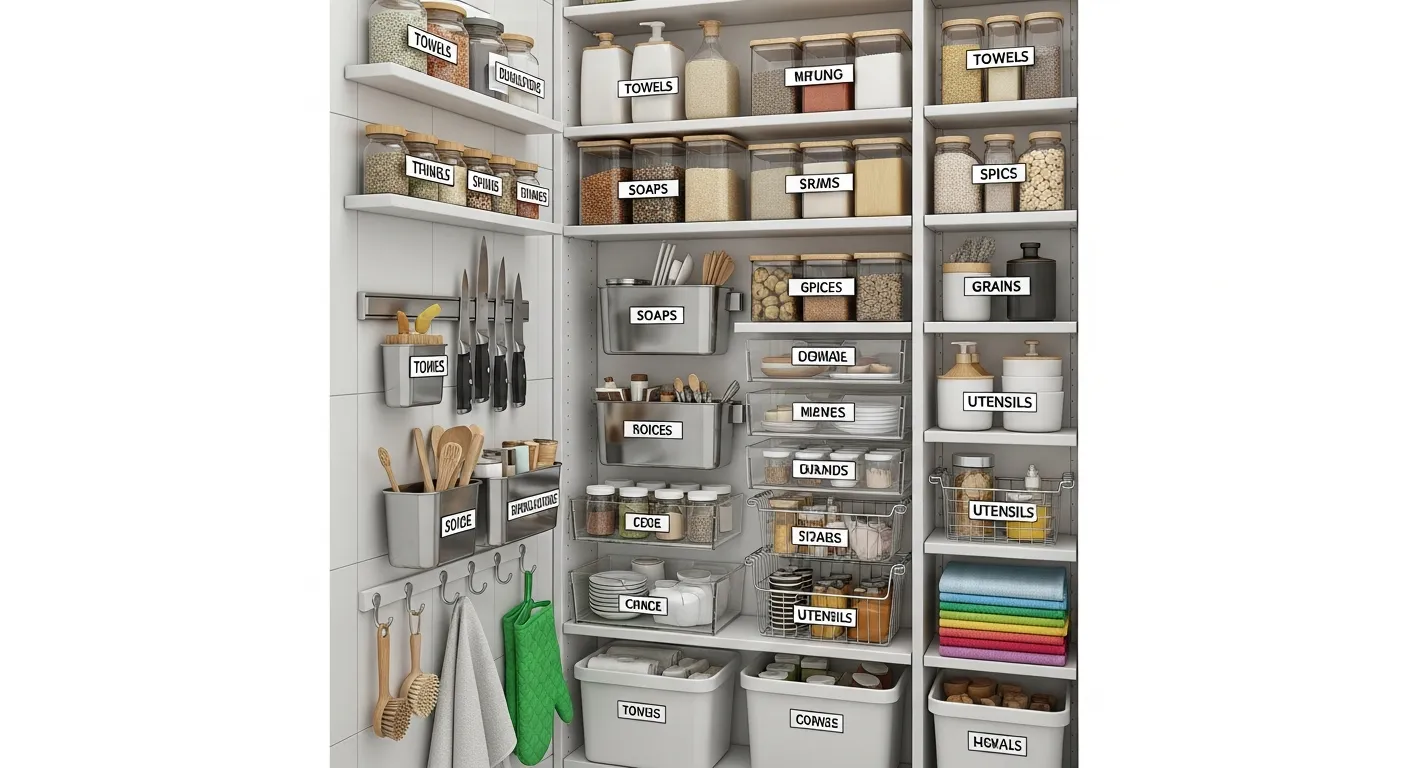
Start by removing everything from your pantry and wiping down the shelves. Transfer dry goods like pasta, cereal, and baking supplies into clear, airtight containers. This keeps food fresh and allows you to see exactly how much you have left. Arrange items using the “first-in, first-out” method, placing newer groceries behind older ones.
Refrigerator Efficiency
Group similar items together in clear acrylic bins. Keep condiments in the door, dairy on the middle shelves, and meat on the bottom shelf. This structure prevents cross-contamination and makes meal prep much easier.
Kitchen Countertop Management
Keep only essential appliances on the countertops. If you use certain gadgets rarely, store them elsewhere. Use a simple tray for soaps and sponges near the sink to make cleaning quick and contained.
Kitchen Organization Quick Guide
|
Zone |
Action Step |
End Result |
|---|---|---|
|
Pantry |
Use clear containers, label well |
Easy to check food inventory |
|
Fridge |
Assign shelves by food type |
No more lost leftovers |
|
Cabinets |
Adjustable shelves or risers |
Maximized vertical space |
|
Drawers |
Use dividers for utensils/tools |
No more messy “junk” drawers |
Living Room Serenity
Your living room should be a place to unwind and relax. Visual noise from tangled cords and scattered toys ruins that relaxing atmosphere.
- Corral unsightly cords using cable sleeves or zip ties.
- Designate a specific decorative box to hold all remotes and charging cables.
- Invest in furniture that doubles as storage, like storage ottomans.
- Use stylish woven baskets on bookshelves to hold loose items and magazines.
These simple home organization ideas keep your common spaces functional without sacrificing aesthetics.
Adding Personality While Organizing
Combine functionality with style by opting for baskets and fabric bins in colors or patterns that suit your décor. Decorative trays can corral small items on coffee tables. Keep surfaces as clear as possible—a few statement pieces add interest without adding clutter.
Bathroom Storage Solutions for Small Spaces
Bathrooms are notoriously short on storage. They require creative storage solutions for small spaces to keep toiletries in check.
Use modular plastic dividers in your bathroom drawers to separate makeup, dental care, and hair accessories. If you have open space under the sink, install a two-tier sliding organizer. This allows you to easily access items in the back without knocking over bottles in the front.
Fold towels uniformly so the rounded edges face outward. Group toiletries by category in labeled baskets—one for first aid, one for extra soap, and one for travel-sized items.
Over-the-Door Solutions
For bathrooms lacking counter or under-sink space, over-the-door organizers are a game-changer. Use them for hair tools, product bottles, or even cleaning supplies. Wall hooks behind doors increase usable storage, too.
Small-Space : Bathroom Must-Haves
|
Solution |
Use Case |
Space Saved? |
|---|---|---|
|
Over-the-door hooks |
Towels, robes, organizers |
High |
|
Tiered corner shelves |
Shower or vanity corners |
Medium |
|
Drawer dividers |
Makeup, dental care, tools |
High |
|
Rolling carts |
Extra towels, toilet paper |
Medium |
Best Tools for Home Cleaning and Organization
You do not need to spend a fortune to get organized. However, a few strategic purchases make a massive difference in maintaining your household organization tips.
|
Organization Tool |
Best Room to Use |
Primary Benefit |
|---|---|---|
|
Clear Acrylic Bins |
Kitchen / Bathroom |
Easy visibility of contents and highly washable. |
|
Drawer Dividers |
Bedroom / Kitchen |
Keeps small items separated and prevents jumbling. |
|
Over-the-Door Racks |
Pantry / Bathroom |
Maximizes vertical space for small items and bottles. |
|
Storage Ottomans |
Living Room |
Hides bulky items like blankets while providing seating. |
|
Vacuum Bags |
Bedroom Closets |
Compresses off-season clothing to save valuable shelf space. |
|
Lazy Susans |
Pantry / Fridge |
Access items at the back easily, great for spices or condiments. |
|
Label Makers |
Any |
Clear labeling ensures everyone knows where things go. |
DIY Storage and Repurposing
Don’t overlook items you already have. Mason jars, repurposed shoe boxes, and unused baskets can all serve as effective organizers. Old mugs are perfect for pens or small makeup brushes. If you’re crafty, cover cereal boxes in decorative paper for instant drawer dividers or magazine holders.
Eco-Friendly Organization Solutions
Opt for sustainable materials when possible. Choose bamboo, recycled plastics, or glass for bins and containers. Donate old storage solutions or repurpose them elsewhere in your home instead of discarding.
Advanced Household Organization Tips
Once you establish a baseline of order, you can elevate your space with advanced household organization tips. Look up and utilize vertical space. Install floating shelves above doorways or high on walls to hold items you rarely use. Hang over-the-door organizers on the back of closet doors to hold shoes or cleaning supplies.
Physical clutter often has a digital counterpart. Spend 15 minutes a week deleting junk emails and unsubscribing from newsletters. Organize your computer desktop by creating specific folders for photos, financial documents, and work projects.
Maintenance Routines That Last
An organized home requires ongoing maintenance routines. Dedicate 10 minutes every evening to a “reset” phase. Walk through the main living areas with a laundry basket, picking up items that belong in other rooms. Put them away immediately to wake up to a clean home.
Implement a quarterly “game plan”—revisit your systems, swap out seasonal items, and donate things you no longer need. Building flexibility into your household organization tips ensures your home adapts as your needs evolve.
Family and Housemate Collaboration
Organizing is easier and more effective when everyone is on board. Establish shared guidelines, such as always making beds or putting shoes away. Use color-coded bins or bins labeled with family members’ names to assign responsibility.
If you’re dealing with reluctant housemates or kids, make organizing fun—set a timer and see who can tidy a room fastest, or play upbeat music while sorting. Positive reinforcement, like a movie night after a big clean, builds enthusiasm for the process.
Frequently Asked Questions
What are the best household organization tips for beginners?
The best approach for beginners is to start incredibly small to avoid feeling overwhelmed. Choose a single drawer or a small countertop, empty it completely, and only return the items you actually use. Building confidence with these small victories makes tackling larger rooms much easier.
How often should I practice home cleaning and organization?
You should practice minor organization daily by doing a quick ten-minute reset every evening. Deeper home cleaning and organization tasks should happen on a weekly or bi-weekly basis. Plan for a major decluttering session once every season to keep your home in top shape.
What are the best storage solutions for small spaces?
Vertical storage is the most effective solution for cramped rooms and apartments. Use over-the-door hooks, tall shelving units, and under-bed storage boxes to maximize unused areas. Multi-functional furniture, like beds with built-in drawers, also provides excellent storage solutions for small spaces.
How do I maintain my home organization ideas over time?
Maintaining your systems requires you to adopt the “one-in, one-out” rule for all new purchases. Ensure everything you own has a designated, logical home so putting things away feels effortless. Consistency is key, so make putting items back in their correct spot a daily habit.
Where should I start when applying decluttering tips to my whole house?
Always start in the room that causes you the least amount of emotional attachment, like a bathroom or a pantry. Applying decluttering tips to straightforward items like expired food or old makeup builds your decision-making skills. Save highly sentimental areas like bedrooms or attics for last.
Why does organizing my home improve my mental health?
Physical clutter creates excess visual stimuli that can overwhelm the brain and spike cortisol levels. Clearing that clutter creates a serene environment that allows your mind to rest and focus better. A healthy environment contributes greatly to overall wellness. Learn more about healthy living choices here.
How do I handle sentimental items while decluttering?
Set aside a specific, limited space for sentimental items, such as one beautifully crafted memory box. Keep only the items that evoke the strongest positive memories and let the rest go. You can also take high-quality photographs of bulky sentimental items before donating them.
What are the best home organization ideas for families with children?
Implement a toy rotation system where only a fraction of toys are accessible at any given time. Use open bins with picture labels so young children can easily identify where items belong. Make cleanup a fun daily activity rather than a punishment to encourage participation.
How can I organize a small kitchen effectively?
Clear your countertops of any appliances you use less than once a week to instantly create more workspace. Use tension rods vertically in lower cabinets to neatly file away cutting boards and baking sheets. Decant your dry goods into clear, stackable containers to maximize pantry shelf space.
Do I need to buy expensive bins to organize my home?
You absolutely do not need expensive acrylic bins to achieve a perfectly organized home. You can repurpose sturdy cardboard boxes, mason jars, and plastic containers you already own. Focus on the actual sorting and categorizing of items rather than the aesthetic of the containers.
With a blend of practical advice, step-by-step action plans, and a focus on adaptable systems, these household organization tips will empower you to create a home that supports your lifestyle, reduces stress, and brings a greater sense of joy into your every day.
