


Discover how to create an effective learning environment with the right study space, daily routine, and focus habits. Learn practical strategies to improve concentration, reduce distractions, boost memory, and make learning more productive and enjoyable.
A great learning environment shapes everything about how you absorb, retain, and apply new information. Whether you are a student preparing for exams or a professional sharpening your skills, the space around you matters more than most people realize. The right setup can lift your concentration, reduce stress, and turn study sessions into productive, enjoyable experiences.
This guide walks you through everything you need to build a learning environment that works for you. We will explore study space design, daily routines, focus habits, and the small environmental details that make a big difference. By the end, you will have a clear plan to transform any space into a place where real learning happens.
What Is a Learning Environment, Really?
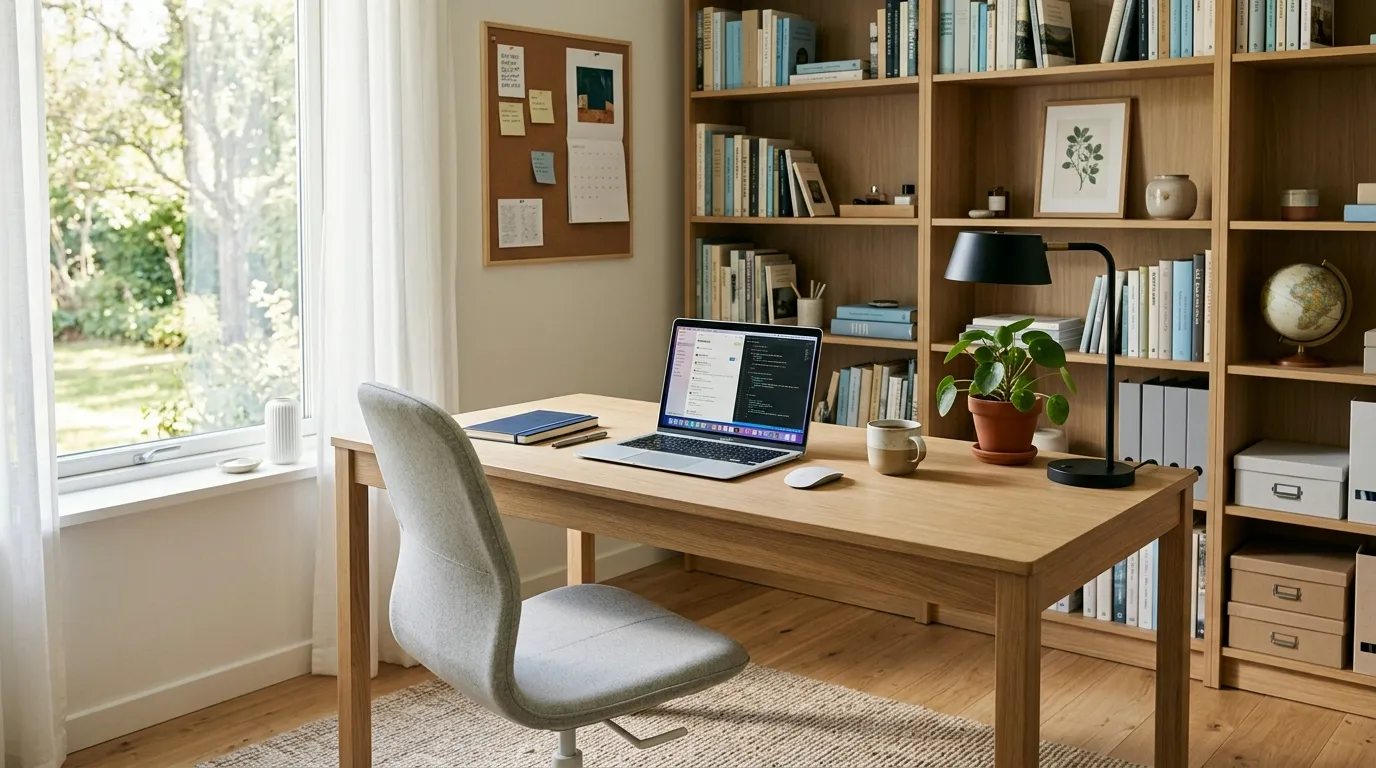
A learning environment is more than a desk and a chair. It includes the physical setting, the emotional climate, the tools you use, and the habits you bring to each session. When all these pieces align, you create conditions that support deep thinking and steady progress.
People often focus only on the visible parts of a study space, like furniture or decor. Yet the invisible parts matter just as much. Your mindset, your routine, and your ability to manage distractions all feed into the quality of your learning environment. Together, they decide whether you thrive or struggle.
The Physical Side
The physical learning environment covers your desk, lighting, seating, and the room itself. These elements affect comfort and posture, which in turn influence how long you can stay focused. A cramped, cluttered desk drains energy. A clean, organized one invites you to sit down and begin.
The Mental Side
The mental side of a learning environment includes your attitude toward the work and your confidence in your ability to learn. A positive, calm mindset helps you approach challenges with curiosity instead of dread. When your surroundings feel safe and supportive, your brain relaxes and learning comes more easily.
The Social Side
Some people learn best alone, while others thrive in group settings. A strong learning environment accounts for this. Study groups, accountability partners, and supportive peers can boost motivation. At the same time, knowing when to seek quiet solitude protects your focus during demanding tasks.
Why Your Learning Environment Matters So Much
The space where you learn directly shapes your results. Research in cognitive science shows that surroundings influence memory, attention, and mood. A well-designed learning environment removes friction, so you spend energy on the actual work instead of fighting distractions.
Consider how different you feel in a bright, tidy room versus a dim, noisy one. The first invites focus. The second invites fatigue. Small environmental choices add up over weeks and months, shaping whether your study habits stick or fade away.
A thoughtfully built learning environment also supports consistency. When your space is ready and inviting, you are far more likely to show up each day. That repeated effort, more than any burst of motivation, is what creates lasting learning success.
How to Set Up a Productive Study Space
Your study space is the heart of your learning environment. Getting it right pays off every single day. Let us break down the key steps to design a space that helps you do your best work.
Choose the Right Location
Location sets the tone for your entire learning environment. Pick a spot with minimal foot traffic and few interruptions. A spare room, a quiet corner, or even a dedicated section of your bedroom can work well. The goal is to find a place your brain learns to associate with focused work.
Avoid studying in bed or on the couch whenever possible. These spots signal rest, not effort, and they often lead to slouching and drowsiness. A clear boundary between work areas and rest areas strengthens your daily routine and protects your concentration.
Invest in Comfortable, Supportive Furniture
Your chair and desk form the foundation of your study space. An ergonomic chair supports your back and keeps you comfortable during long sessions. Your desk should sit at a height that lets your elbows rest at roughly ninety degrees while you type or write.
Good posture reduces fatigue and helps you stay alert. When your body feels supported, your mind stays engaged. Treat quality seating as an investment in your learning environment rather than an optional extra.
Organize Your Tools and Materials
Clutter competes for your attention. Keep only the essentials within reach: notebooks, pens, your laptop, and any reference materials you need. Store everything else out of sight. A tidy desk creates mental clarity and makes it easier to start working.
Use organizers, trays, or drawers to give each item a home. When you know exactly where things belong, you waste no time searching. This simple habit keeps your learning environment calm and your daily routine smooth.
Add Personal Touches Without Overdoing It
A few meaningful items can make your study space feel inviting. A plant, a favorite quote, or a small piece of art can lift your mood. The key is balance. Too much decoration becomes a distraction, while a bare space can feel cold and uninspiring.
Aim for a learning environment that feels both functional and welcoming. You want to enjoy spending time there without losing focus on the task at hand.
Building a Daily Routine That Supports Learning
A reliable daily routine turns occasional study sessions into a steady habit. Routines reduce the mental effort of deciding when and how to start. Over time, your brain learns to shift into focus mode at set times, making learning feel almost automatic.
Start With a Consistent Schedule
Pick specific times each day for learning and stick to them. Consistency trains your mind and body to expect work during those hours. Whether you prefer early mornings or late evenings, choose times when your energy naturally runs high.
A predictable daily routine also helps you plan around other responsibilities. When study time has a fixed place in your day, it stops competing with everything else for your attention.
Use Time Blocks for Deep Work
Break your study sessions into focused blocks separated by short breaks. The popular Pomodoro method uses twenty-five minutes of work followed by a five-minute rest. After several rounds, you take a longer break. This rhythm keeps your mind fresh and prevents burnout.
Time blocking works because the brain can only sustain intense focus for limited stretches. Honoring these natural limits within your daily routine makes your learning environment far more effective.
Plan Your Day the Night Before
Spend a few minutes each evening mapping out the next day. List the topics you want to cover and the goals you hope to reach. This small ritual removes morning decision fatigue and lets you dive straight into work.
A clear plan reduces anxiety and gives your daily routine direction. You start each session knowing exactly what to do, which protects your focus and builds momentum.
Build in Rest and Recovery
Learning is not just about effort. Rest plays an equal role in how well information sticks. Your daily routine should include time to sleep, move, and relax. A tired brain struggles to absorb new material, no matter how perfect your study space.
Schedule breaks, exercise, and proper sleep as non-negotiable parts of your learning environment. Recovery is when your brain consolidates what you have learned, turning short-term knowledge into lasting memory.
Developing Strong Focus Habits
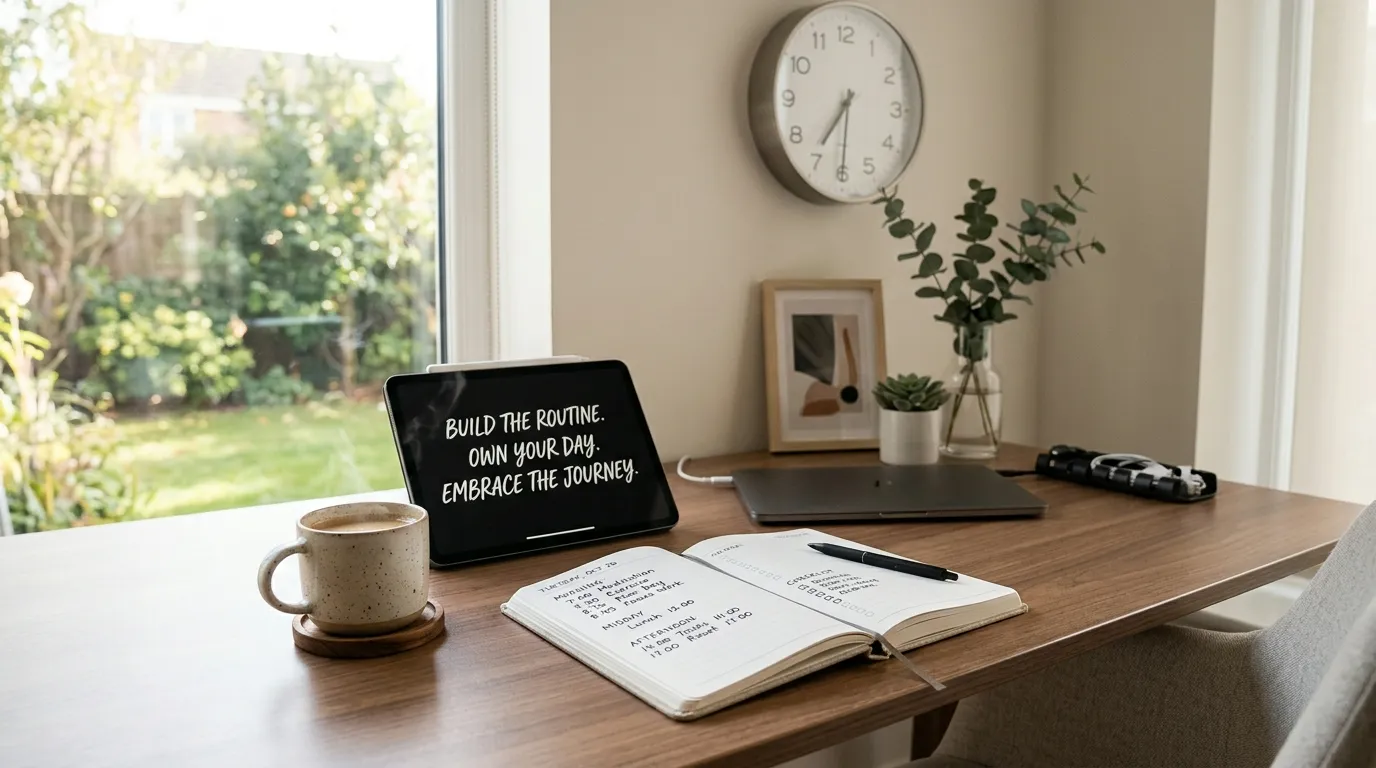
Focus habits are the skills that let you concentrate deeply and resist distraction. They take practice, but once developed, they become the engine of your learning environment. Strong focus turns ordinary study time into highly productive work.
Eliminate Distractions Before You Begin
Distractions are the biggest threat to deep focus. Silence your phone, close unnecessary tabs, and let others know you need uninterrupted time. The fewer interruptions you face, the longer you can stay in a state of flow.
Many people underestimate how much a single notification disrupts concentration. Each interruption can cost several minutes of refocusing. Protecting your attention is one of the most valuable focus habits you can build.
For deeper strategies on training your attention, this resource is worth exploring. Explore practical focus habits.
Practice Single-Tasking
Multitasking feels productive, but it splits your attention and lowers the quality of your work. Single-tasking, by contrast, lets you pour full energy into one thing at a time. This deepens understanding and speeds up learning.
Train yourself to finish one task before moving to the next. Over time, this discipline becomes second nature and strengthens the focus habits that power your learning environment.
Use the Two-Minute Rule to Beat Procrastination
When a task feels overwhelming, commit to just two minutes of effort. Often, starting is the hardest part. Once you begin, momentum carries you forward and the task feels far less daunting.
This simple trick chips away at procrastination, one of the biggest enemies of consistent learning. Pairing it with a strong daily routine makes starting each session almost effortless.
Train Your Attention Like a Muscle
Focus improves with practice, much like physical strength. Start with short focused sessions and gradually extend them as your concentration grows. Meditation and mindfulness exercises can also sharpen your ability to stay present.
The more you practice these focus habits, the easier sustained attention becomes. Your learning environment will feel calmer, and your study sessions will yield far better results.
Environmental Factors That Shape Learning
Beyond furniture and habits, several environmental factors quietly influence how well you learn. Lighting, noise, temperature, and air quality all affect your comfort and concentration. Getting these details right elevates your entire learning environment.
Lighting Makes a Major Difference
Good lighting reduces eye strain and keeps you alert. Natural light is ideal, so position your study space near a window when you can. Sunlight also lifts mood and helps regulate your sleep cycle, supporting a healthy daily routine.
When natural light is limited, use a combination of overhead and task lighting. A desk lamp with adjustable brightness lets you control the atmosphere. Avoid harsh glare and dim shadows, both of which tire your eyes and drain focus.
Managing Noise Levels
Noise affects different people in different ways. Some need complete silence, while others focus better with soft background sound. Experiment to learn what works for you. Noise-canceling headphones, white noise, or instrumental music can all help.
The goal is a sound environment that supports rather than disrupts your concentration. A consistent audio backdrop can become a useful cue, signaling your brain that it is time to focus.
Temperature and Air Quality
A room that feels too hot or too cold pulls your attention away from learning. Aim for a comfortable, moderate temperature that keeps you alert without distraction. Fresh air also boosts concentration, so open a window or use a fan to keep air moving.
Stuffy, stale rooms cause drowsiness and headaches. A well-ventilated study space keeps your mind sharp and your learning environment pleasant throughout long sessions.
Comparing Key Environmental Factors
The table below summarizes how each factor affects your learning environment and what you can do to optimize it.
|
Factor |
Effect on Learning |
How to Optimize |
|---|---|---|
|
Lighting |
Reduces eye strain, boosts alertness |
Use natural light plus adjustable task lighting |
|
Noise |
Influences concentration and flow |
Use headphones, white noise, or soft music |
|
Temperature |
Affects comfort and focus |
Keep a moderate, consistent room temperature |
|
Air Quality |
Impacts energy and alertness |
Ventilate regularly and add plants |
|
Clutter |
Competes for attention |
Keep only essentials within reach |
|
Seating |
Affects posture and stamina |
Choose ergonomic, supportive furniture |
Digital vs. Physical Study Spaces
Modern learning happens across both physical and digital spaces. Each has its own strengths and challenges. A well-rounded learning environment manages both effectively, so your tools support your goals rather than working against them.
Organizing Your Digital Study Space
Your digital workspace deserves the same care as your physical one. A cluttered desktop, endless open tabs, and disorganized files slow you down. Create clear folders, name files consistently, and close anything you are not actively using.
Digital tools can be powerful allies. Note-taking apps, calendars, and focus timers help structure your daily routine. Choose a few that fit your style and resist the urge to download every new app. Simplicity keeps your digital learning environment clean and effective.
Protecting Yourself From Digital Distraction
Screens carry endless temptations. Social media, messages, and videos compete for every moment of attention. Use website blockers and focus modes to keep these distractions at bay during study sessions.
Strong focus habits matter even more in the digital world. Set clear rules for when you check messages and stick to them. The discipline you build here protects your concentration across your entire learning environment.
Blending Physical and Digital Tools
The best learning environment often combines both worlds. You might read from a screen but take notes by hand, since writing aids memory. Or you might use digital flashcards alongside printed textbooks. Find the mix that helps you learn most effectively.
There is no single right answer. Experiment with different combinations until you discover what supports your focus and fits your daily routine.
Tips for Students

Students face unique pressures, from exams to deadlines to packed schedules. A strong learning environment helps you handle these demands with less stress and better results.
- Set up a dedicated study space free from the distractions of dorm or family life.
- Build a daily routine around your class schedule to use free time wisely.
- Use focus habits like the Pomodoro method to break study marathons into manageable chunks.
- Form study groups for subjects that benefit from discussion and shared problem-solving.
- Prioritize sleep, since rest is when your brain locks in new knowledge.
Consistency beats cramming every time. A reliable learning environment, paired with steady habits, prepares you far better than last-minute panic. Treat your study space as a tool that works for you all term long.
Tips for Professionals
Lifelong learning is essential for career growth. Yet professionals must fit study around demanding jobs and personal lives. A flexible, efficient learning environment makes this balance possible.
- Carve out specific times for skill development, even if only thirty minutes a day.
- Create a study space at home that you can use before or after work.
- Use focus habits to make the most of short, busy windows of available time.
- Apply new skills quickly at work to reinforce what you learn.
- Track your progress to stay motivated through long-term goals.
Professionals often underestimate how much steady, small efforts add up. A well-designed learning environment removes excuses and helps you keep growing, no matter how busy your schedule.
Common Mistakes to Avoid
Even with good intentions, people often sabotage their own learning environment. Watch out for these frequent pitfalls.
Studying in the Wrong Spot
Trying to learn in bed, in front of the television, or in noisy common areas undermines focus. These spaces send the wrong signals to your brain. Choose a dedicated study space that supports concentration instead.
Ignoring Breaks
Pushing through for hours without rest leads to burnout and poor retention. Your daily routine needs regular breaks to keep your mind fresh. Honor your brain’s natural limits, and your learning will improve.
Letting Distractions Win
Leaving your phone within reach or keeping social media open invites constant interruption. Strong focus habits require you to remove these temptations before you begin. Protect your attention fiercely.
Neglecting the Basics
Skipping sleep, skimping on water, and ignoring movement all weaken your ability to learn. A healthy body supports a sharp mind. Make rest and self-care part of your learning environment, not an afterthought.
Putting It All Together
Building an effective learning environment is a gradual process. Start with one change, such as organizing your study space or setting a consistent daily routine. Once that feels natural, add another. Small, steady improvements compound into powerful results.
Remember that your learning environment should serve you. What works for one person may not work for another. Stay curious, experiment with different approaches, and keep what helps you focus and grow. Over time, you will create a space and a set of focus habits that make learning feel natural and rewarding.
The effort you put into your learning environment today pays off for years to come. A thoughtful study space, a dependable daily routine, and strong focus habits form a foundation that supports every goal you pursue. Begin where you are, improve as you go, and watch your learning transform.
Frequently Asked Questions
What makes an ideal learning environment?
An ideal learning environment combines a comfortable physical space, a calm mindset, and supportive habits. It minimizes distractions while maximizing focus and motivation. Good lighting, organized materials, and a consistent daily routine all play a part. The best setup is one tailored to your personal needs and learning style.
How can I set up an effective study space at home?
Choose a quiet location with minimal foot traffic and good natural light. Invest in a comfortable chair and a desk at the right height for healthy posture. Keep only essential materials within reach to reduce clutter and distraction. Add a few personal touches so the study space feels inviting without becoming overwhelming.
How long does it take to build a productive daily routine?
Most people need a few weeks of consistent effort before a daily routine feels automatic. Start small with fixed study times and build from there. Patience matters, since lasting habits form through repetition rather than sudden change. Tracking your progress can keep you motivated as the routine takes hold.
What are the best focus habits for studying?
Eliminating distractions, single-tasking, and using timed work blocks rank among the most effective focus habits. The two-minute rule helps you overcome procrastination and start tasks. Practicing mindfulness sharpens your attention over time. Consistency in these habits strengthens your concentration across every study session.
How does lighting affect my learning environment?
Lighting plays a major role in alertness and eye comfort. Natural light boosts mood and helps regulate your sleep cycle, supporting better focus. When sunlight is limited, combine overhead lighting with an adjustable desk lamp. Avoiding harsh glare and dim shadows keeps your eyes fresh during long study sessions.
Is it better to study in silence or with background noise?
This depends entirely on the individual. Some people focus best in complete silence, while others benefit from soft background sound. Experiment with white noise, instrumental music, or noise-canceling headphones to find your fit. The right audio backdrop can even signal your brain that it is time to concentrate.
How can I reduce digital distractions while studying?
Silence notifications, close unnecessary tabs, and use website blockers during study sessions. Set clear rules for when you check messages and social media. Organizing your digital files keeps your virtual study space tidy and efficient. Strong focus habits protect your attention in both physical and digital settings.
What is the difference between a physical and digital study space?
A physical study space involves your desk, lighting, and surroundings, while a digital one includes your files, apps, and online tools. Both deserve careful organization to support learning. Many people blend the two, reading on screens but writing notes by hand. The best learning environment manages both worlds effectively.
How important is taking breaks during study sessions?
Breaks are essential for maintaining focus and preventing burnout. Your brain can only sustain intense concentration for limited stretches before fatigue sets in. Short, regular breaks refresh your mind and improve retention. Building rest into your daily routine makes your overall learning more effective and sustainable.
Can a good learning environment improve my memory?
Yes, a well-designed learning environment supports better memory and retention. Reduced distractions allow deeper focus, which strengthens how information is encoded. Adequate sleep and breaks help your brain consolidate new knowledge. Comfortable surroundings also lower stress, which further improves your ability to remember.
How do I stay motivated to maintain my study space and routine?
Track your progress and celebrate small wins to keep motivation high. Keep your study space inviting so you look forward to using it. Connecting your learning to clear goals gives your daily routine purpose. Accountability partners or study groups can also help you stay consistent over the long term.
What should professionals consider when building a learning environment?
Professionals need a flexible learning environment that fits around a busy schedule. Carving out short, regular study windows works better than waiting for large blocks of free time. A dedicated home study space helps separate learning from leisure. Applying new skills quickly at work reinforces knowledge and keeps motivation strong. .
